
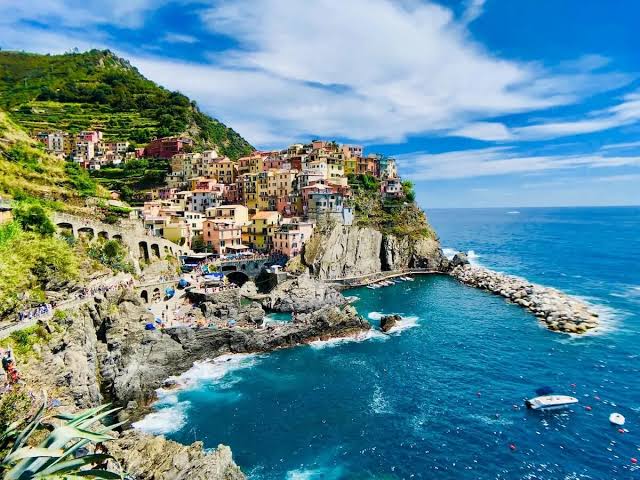
Cinque Terre can look deceptively simple on a map: five villages along a short stretch of Ligurian coast. Once travel times, luggage, steep streets and the wishes of different companions are added, a day-by-day plan needs more care. The villages are Monterosso al Mare, Vernazza, Corniglia, Manarola and Riomaggiore, each with its own setting and character. Visiting all five is possible as an ambition, but the number reached is not a measure of a successful trip. A traveller who spends time over lunch or waits for the light to change may remember more than someone who rushes through every station. Start with the experiences that matter to the group, then work out how much movement is realistic. This leaves room for the practical details that make a coastal holiday enjoyable, from checking transport to choosing a place to rest. The aim is to understand the shape of each day before committing to bookings, so that a delay or a longer lunch does not undo the whole plan.
Decide what a good day looks like
A first visit might focus on the villages and sea views; another trip could make more room for walking, food or photography. These priorities influence the choice of base and the amount of time to spend in each place. Travellers comparing cinque terre travel packages can use the proposed activities and arrangements as a starting point, then ask what is included, what remains flexible and how transfers fit the itinerary. An independent plan deserves the same scrutiny. Time on the ground matters more than an attractive list of stops if the group wants to linger. Look at arrival and departure times before choosing activities, and keep the first day light if it follows a long journey. A clear preference for a relaxed or active pace can settle many later decisions.
The right base depends on the trip as a whole. Staying in or near one village can make early mornings and evenings easier to enjoy, while a base elsewhere may fit a longer route through Liguria. Check the distance from the station or parking area to the accommodation, including steps and slopes, rather than relying on a short distance on a map. Anyone travelling with heavy bags, a pushchair or reduced mobility may need to ask the property about access before booking. These questions are practical, not a reason to rule out a particular place without checking.
Leave space between connections
Train services connect the area, but schedules and ticket arrangements can change. Consult the operator’s current information for the dates of travel and allow for the time needed to reach platforms, buy or validate the appropriate ticket when required, and move through a busy station. If a boat trip appeals, check the operator’s timetable and conditions as well: a service can depend on the season and weather. Treat a departure as one part of a route, not as a guarantee that the rest of the day will run perfectly. A realistic transfer window gives the group time to deal with queues, a missed connection or a change of plan without sacrificing the next stop. Keep a copy of reservations and the details of the accommodation accessible when mobile coverage or battery life is uncertain.
Walking is another way to experience the landscape, but trails vary in difficulty and can be closed. Before setting out, consult the Cinque Terre National Park’s current information about access, conditions, fees where applicable and any restrictions. Choose footwear and water for the route and weather, and be honest about the fitness and preferences of everyone in the group. A village stroll, a longer hike and a viewpoint reached by steps are different kinds of outing. If the route is unsuitable or closed, a shorter walk and a leisurely meal can still make a worthwhile day. The coast does not need to be conquered to be appreciated.
Plan around people and place
A popular destination is also a place where people live and work. Narrow lanes, entrances and station passages can become crowded, so pause for photographs where others can pass and follow local signs. Carrying a reusable bottle and taking rubbish to the appropriate bins are simple ways to look after the places visited. When eating out, a conversation about local dishes can be as rewarding as chasing a fixed list of must-try foods. Ask about ingredients and allergens where necessary, and check opening times for the day of the visit. Considerate travel habits are most useful when they are built into the plan, leaving enough time to move without blocking a doorway or rushing staff at the end of service.
For a group, agreeing on a few priorities before departure can prevent a packed schedule from becoming a negotiation at every station. One person may want a long coastal walk, another a quiet lunch and someone else time for photographs. They do not have to do everything together: a planned meeting point and a clear return time can give each person some freedom. Equally, accessibility needs should be discussed early, with current details checked directly with transport providers and accommodation. A visually appealing route may involve steps, uneven surfaces or uphill sections that are not obvious in promotional pictures. Shared expectations and flexibility make it easier to choose alternatives when the weather or a closure changes the plan.
On the final day, resist the urge to fill every spare hour before departure. Confirm the onward connection, leave enough time to retrieve bags and allow a buffer for the journey to the next station or airport. If time remains, a final coffee or a short walk can be a better farewell than one more complicated transfer. The most useful itinerary is not the one with the most entries; it is the one that gives the people travelling together enough time to notice where they are.