
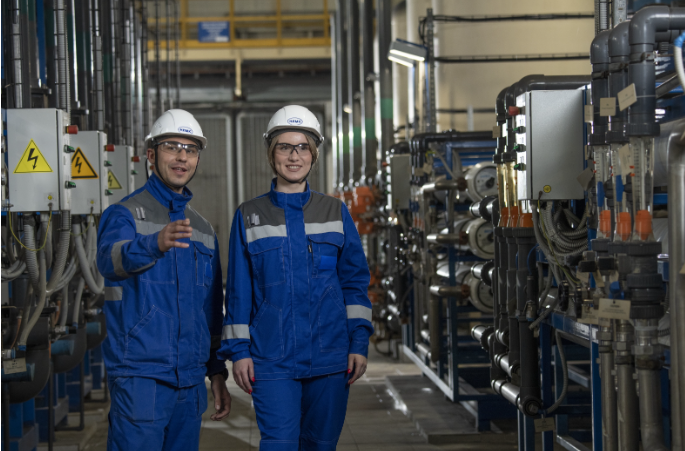
Workplace safety depends on more than written rules. It reflects how well risks are understood and managed in daily tasks. Many accidents occur not because hazards are unknown, but because they are ignored or poorly assessed. This is where the WSH risk assessment process becomes essential. It helps identify safety hazards and health hazards, evaluate their impact, and guide actions that protect workers. A closer look at this process explains how it supports safer and more organized workplaces.
What Is WSH Risk Assessment?
WSH risk assessment is a structured process used to identify hazards, evaluate risks, and apply suitable controls. A hazard refers to anything that can cause harm, such as unsafe equipment, poor work practices, or exposure to harmful substances. Risk measures how likely that harm will occur and how serious the outcome could be.
This process answers two key questions: What can go wrong? and What can be done to prevent it? Risk evaluation plays an important role at this stage, as it helps determine which hazards require immediate attention. For example, a construction site may face risks from heavy machinery, while an office environment may deal with ergonomic health risks such as back strain or eye fatigue. In some workplaces, fire risks also need close attention, especially where flammable materials or electrical equipment are present.
For organizations that need structured guidance, working with a WHS company can help strengthen the risk assessment process. Professional support ensures that hazards are properly identified and that control measures align with industry standards, making safety efforts more consistent and effective.
Identifying Workplace Hazards
Hazard identification forms the foundation of the risk assessment process. Without it, safety planning cannot move forward. Hazards are often grouped into hazard categories to make them easier to recognize and manage.
Physical hazards include falling objects, exposed wires, and slippery surfaces. Chemical hazards involve substances that may cause burns, poisoning, or breathing problems. Biological hazards include bacteria, viruses, and mold. Ergonomic hazards relate to poor posture, repetitive tasks, or poorly designed workstations.
Safety hazards and health hazards often exist together in the same environment. For instance, poor ventilation may not only make a space uncomfortable but also lead to long-term health risks. A warehouse offers another example. Boxes stacked too high or unevenly may fall and injure workers, turning a simple task into a serious safety hazard.
Identifying these hazards early allows workplaces to take action before incidents occur. Once hazards are recognized, the next step is to understand how serious each one may be.
Assessing the Level of Risk
Not all hazards carry the same level of danger. Some may result in minor injuries, while others can lead to serious harm or long-term health risks. Risk assessment helps determine which hazards require urgent attention.
This step considers two main factors: likelihood and severity. Likelihood refers to how often harm may occur, while severity considers how serious the outcome could be. Together, these factors define the overall risk level.
A loose cable on the floor provides a simple example. The chance of someone tripping over it may be high, and the fall could result in injury. This situation increases its risk level. On the other hand, a tool that is stored properly and used only occasionally may pose a lower risk.
Different risk assessment methods, such as rating scales or risk matrices, help make this process more consistent. These tools allow safety professionals to compare hazards and decide which ones need immediate action. This approach ensures that time and resources are focused on the most serious risks.
Implementing Control Measures
Control measures reduce or remove risks identified during assessment. These measures follow a hierarchy, which ranks solutions based on effectiveness. Many organizations include these actions as part of a broader safety program to ensure consistent application.
Elimination removes the hazard completely, making it the most effective option. For example, removing a harmful chemical eliminates the risk it poses. Substitution replaces a hazard with a safer alternative, such as using less toxic materials.
Engineering controls involve physical changes to the workplace. Machine guards, proper ventilation, and safety barriers fall under this category. Administrative controls focus on policies and safe work procedures, such as clear instructions, training, and scheduling to reduce exposure to risks. Personal protective equipment (PPE), such as helmets, gloves, and masks, provides an additional layer of protection when other measures are not enough.

These control initiatives work together to reduce both safety hazards and health risks. A combination of these measures creates a more secure and reliable work environment.
The Role of Training and Awareness
Training ensures that workers understand hazards and know how to respond appropriately. Without proper knowledge, even well-designed safety systems may fail. Workers need clear guidance on how to perform tasks safely and how to handle potential risks.
Clear communication supports effective training. Instructions should remain simple, direct, and easy to follow. Signs, labels, and regular reminders help reinforce safe behavior in daily operations.
Safety professionals play a key role in this process. They design training programs, guide workers, and monitor how safety procedures are followed. For example, machine guards may be installed to prevent injury, but workers who remove them for convenience increase the risk of accidents. Training helps workers understand why these controls are necessary and encourages proper use.
A strong safety culture develops when workers consistently apply what they learn. Over time, safe practices become part of everyday work rather than a separate task.
Conclusion
WSH risk assessment provides a clear and practical approach to workplace safety. It begins with identifying safety hazards and health hazards, followed by careful risk evaluation and the use of appropriate controls. Each step helps reduce accidents and protect workers from harm. Training ensures that safety measures are followed consistently within a structured safety program. Consistent effort strengthens safety culture and improves workplace outcomes. When risks are managed properly, safety becomes a natural part of daily work rather than something that is overlooked.