
You rely on systems you barely notice. Electricity. Water. Data. Compressed air belongs on that list. It powers tools, moves products, and keeps lines running. Yet many businesses treat it as an afterthought.
That’s a mistake. When you understand how a compressed air system works, you gain real savings and performance improvements while reducing risk. Let’s break it down so you can see where the value comes from and how to capture it.
What a Compressed Air System Really Is
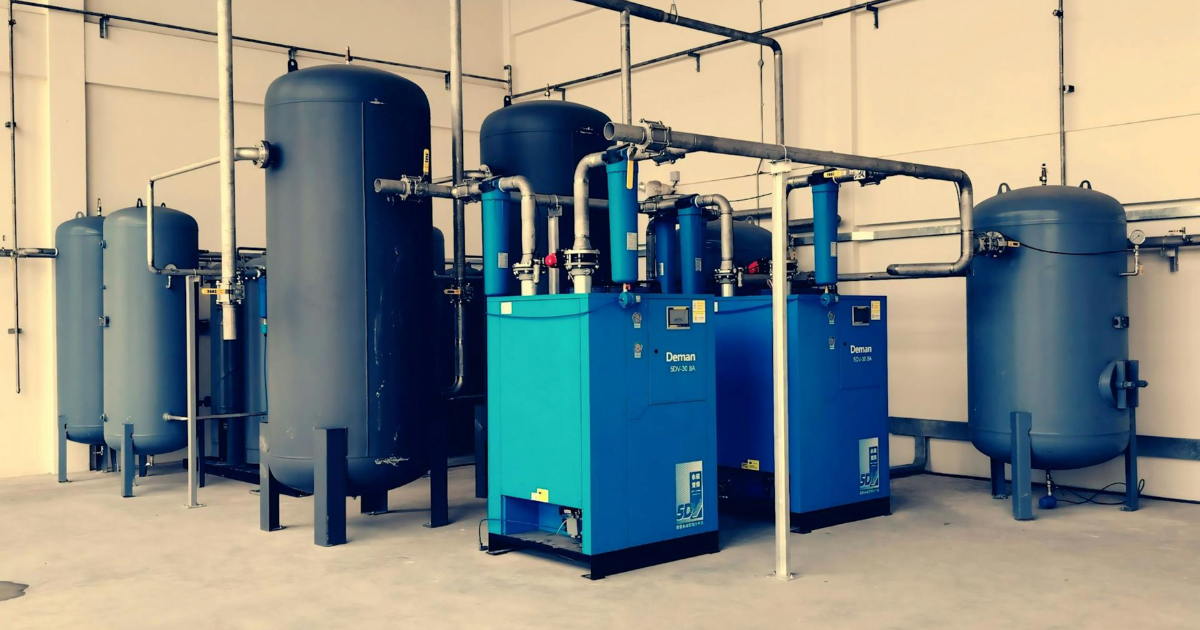
A compressed air system takes ambient air, raises it to a higher pressure, and delivers it where it’s needed. There are three essentials: compressor, storage tank, and distribution network. Filters and dryers are added to clean and condition the air before it reaches your equipment.
You’re not simply “making air.” You’re creating a controllable energy source. Pressure becomes a tool, and flow becomes capacity. With the right setup, you deliver consistent power across multiple points, providing the flexibility and reliability industries rely on.
Types of Compressors and When to Use Them
Compressors differ in how they deliver air and in the demands they’re built to handle. Matching the right design to your operating profile prevents wasted energy and premature wear. Below are the main types and the situations where each proves most effective.
- Reciprocating compressors: These use pistons to compress air in cycles. They work best for low to moderate demand with frequent stops and starts. Small workshops and maintenance bays often rely on them because they’re cost-effective and simple to maintain.
- Rotary screw compressors: These use twin screws to deliver a continuous flow of air. They excel in steady, high-demand environments like manufacturing lines. You get consistent pressure and quieter operation compared to piston units.
- Centrifugal compressors: These use high-speed impellers to compress air. They suit large facilities with constant, high-volume needs. Think chemical plants or large-scale processing sites where demand rarely drops.
- Oil-free compressors: These eliminate oil from the compression chamber. They’re critical in food, beverage, and pharmaceutical settings where air purity matters. You reduce contamination risk and meet strict quality standards.
Choosing the right equipment isn’t solely about capacity but about how your demand behaves over time. Consulting reputable distributors of air compressors can help you align the machine with your usage pattern to gain efficiency, reliability, and longer equipment life.
Where Compressed Air Creates Value in Your Operations
Compressed air touches more parts of your operation than you might expect. It supports both core production and supporting tasks, with applications such as:
- Pneumatic tools: These power drills, grinders, and impact wrenches. They reduce operator fatigue and help complete tasks more quickly with consistent results.
- Automation systems: Air drives cylinders that move parts along the line. This creates repeatable motion and precise timing, making processes more predictable and easier to scale.
- Packaging operations: Air powers filling, sealing, and labeling equipment. It ensures clean handling of products and helps maintain hygiene and product integrity.
- Material handling: Pneumatic systems move bulk materials through pipes or assist in lifting and positioning. They reduce manual labor and improve safety in heavy or repetitive tasks.
- Cleaning and blow-off: High-pressure air removes debris, dust, and moisture from surfaces. It keeps equipment clean and lowers contamination risks, supporting both quality and maintenance goals.
When compressed air is applied well, it boosts speed, consistency, and control across your workflow.
Managing the Cost of Compressed Air
Compressed air is convenient, but it’s also energy‑intensive. Producing it often requires several times more input than using electricity directly.
Air leaks are the quiet drain. Even small holes waste significant air, while oversized pressure settings and clogged filters force the system to work harder. Ignoring these issues quickly shows up in higher utility bills and weaker performance.
How to Improve Efficiency and Cut Waste
Efficiency comes from small, consistent actions that reduce waste and keep your system reliable.
- Audit leaks: Find and fix leaks, then maintain a routine to prevent them.
- Set proper pressure: Run only as high as your process requires because excess pressure adds unnecessary cost.
- Refine controls: Use sequencing or variable speed to match supply with demand.
- Maintain filters: Upgrade and service filters regularly to keep airflow clean.
- Optimize piping: Shorter runs and smoother layouts reduce pressure drops and energy loss.
Maintaining Your Compressed Air System
Treat your equipment like a critical asset by following a clear maintenance plan. Change air filters and oil on schedule, inspect belts and seals, and drain condensate from tanks and dryers.

Monitor performance closely. Track pressure, flow, and energy use, and act early when you see drift. Preventive care costs less than downtime, extends equipment life, and safeguards product quality.
Safety and Compliance Considerations
Compressed air stores energy, which brings risk if managed poorly. Excess pressure can damage equipment or cause injury, while contaminated air can compromise products and worker health.
Protect against these hazards with proper relief valves tested regularly and safe piping materials suited for the job. Train your team in safe use and lockout procedures, and document air quality and maintenance practices as part of your compliance program.
Standards such as ISO 8573, which defines air purity classes for particulates, water, and oil, provide a clear benchmark for industries where contamination control is critical. Following these guidelines safeguards people and equipment while ensuring product integrity in regulated sectors.
Final Thoughts
Compressed air belongs among the essentials that keep operations moving. It powers tools, drives automation, and supports quality across production. When treated as a core system, it delivers measurable improvements in productivity and cost control.
The key is disciplined management. Audit your setup, refine the controls, and maintain the equipment with care. A well‑run system strengthens your processes, turning efficiency and reliability into a lasting competitive advantage.