

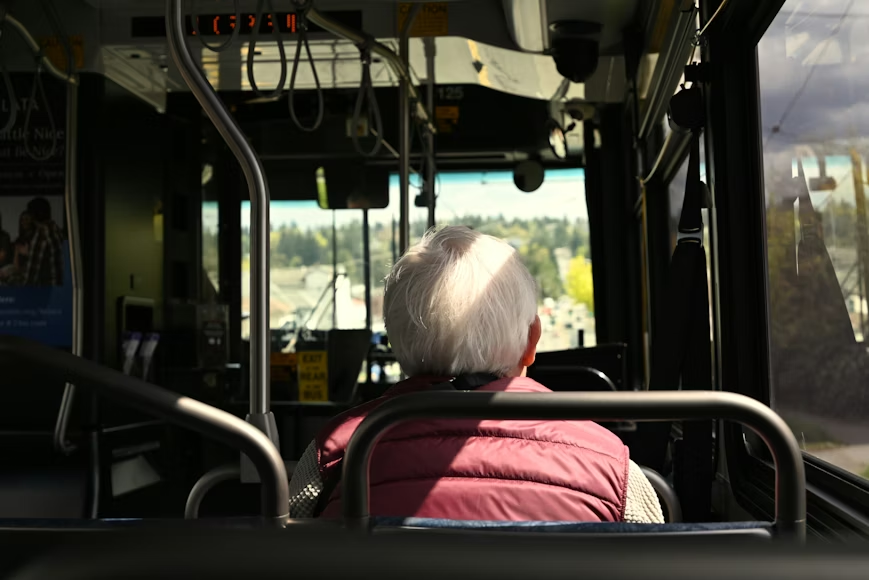
At some point, life takes your car keys and replaces them with reading glasses you can never find. One day, you’re cruising down the highway, and the next day someone is saying, “Maybe it’s time to let someone else drive.” Aging is funny like that. Not ha-ha funny. More stand-up-comedian-holding-a-mirror funny.
We’ve always connected driving to our independence. It’s getting to the doctor before something becomes a “thing.” It’s lunch with friends, family visits, and staying connected to the world beyond our living room recliner.
The National Council on Aging (NCOA) explains that access to affordable transportation is directly tied to better physical and mental health outcomes for older adults. Translation: getting out more helps you feel better.
Losing the keys doesn’t mean losing your freedom. Not even close. Today, seniors have more transportation options than ever.
Professional Senior Transportation Services
Door-to-Door Rides
Senior-focused transportation services exist for one simple reason: regular taxis don’t always cut it.
These services understand mobility challenges, appointment schedules, and the importance of not rushing someone who walks at a perfectly reasonable pace.
CareChoice Home Сare Agency says that many home care providers offer transportation as part of their personalized care services. Drivers assist with getting in and out of the vehicle, accompany seniors to appointments, and help with groceries.
Community and Nonprofit Transportation Programs
The Heroes You Don’t Hear About Enough
Local nonprofits and community programs are doing incredible work to help seniors stay independent.
From church vans to city-funded shuttle services, these programs often cost little or nothing at all.
There are several community-based transportation options that cater specifically to older adults. Private ride-share services, para-transit services, and senior community transportation are designed around real-life needs, not rush-hour traffic.
CBS News recently reported on a nonprofit helping Texas seniors stay independent through reliable transportation and community support. It’s proof that sometimes the best solutions aren’t flashy but local.
Family, Friends, and Volunteer Drivers
The most underrated transportation system in the world is the people who care about you.
Family members, neighbors, and volunteer driver programs play a massive role in senior transportation. Informal ride-sharing and volunteer services often bridge the gap when professional options aren’t available.
Is it always convenient? No. But neither was raising kids, and somehow everyone survived.
Public Transportation (Yes, Really)
Public transportation can still be a solid option, especially when senior discounts, priority seating, and reduced fares are in place.
Many cities offer training programs to help seniors feel confident using buses and trains again. AARP says that comprehensive transportation services are available to older adults, including public transit adaptations and paratransit options.
Is it perfect? No. Yet, it beats waiting on your neighbor to get their hair done before they can take you to the grocery store.
Rideshare Services: A Modern Option
Younger Drivers, Older Passengers, Mutual Confusion
Uber and Lyft aren’t primarily for people glued to their phones. With simplified booking options and family-managed accounts, ridesharing has become increasingly senior-friendly.
Some communities partner with rideshare companies to provide subsidized trips for older adults. It’s not strange; it’s efficient. And the driver doesn’t care how long you tell the story, because they’re paid by the minute.
What We Can Learn from Other Countries
Japan’s Aging Population Has Been Here Before
Japan, one of the world’s oldest populations, faces similar transportation challenges in rural areas.
A piece from Access Partnership explores how Japan is adapting transportation systems to support aging communities. The lesson? Planning works. Waiting until things break down costs more, financially and emotionally.
When Transportation Becomes a Family Decision
When an elderly parent can no longer drive, transportation becomes a daily concern. It’s emotional. It’s complicated. And it’s incredibly common.
Ask the Important Questions:
- Does this option fit your physical needs?
- Is it reliable?
- Can you afford it long-term?
- Does it help you stay independent, not isolated?
Mix and match solutions. Many seniors do. A little community shuttle here, a family ride there, and a professional service when it’s needed.
You’re Not ‘Stuck,’ You’re Rerouting
Getting older doesn’t necessarily mean your world becomes smaller. You just have to navigate it differently.
You don’t stop living because you stop driving. You let someone else worry about the traffic. And honestly? That’s not such a bad deal.
Because at this stage in life, you’ve earned the right to sit back, enjoy the ride, and complain about it (loudly) all the way there.


