
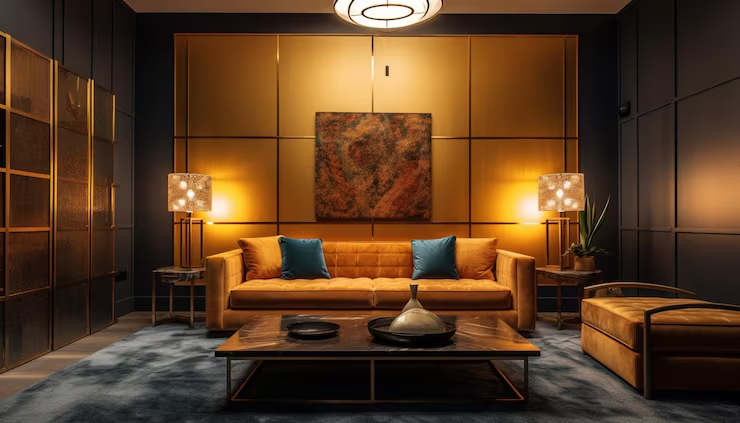
Decorative lighting can dramatically alter the ambience of any space, enhancing both functionality and aesthetic appeal. Whether you are designing a home, an office, or a public area, the strategic use of decorative lighting can redefine how the space feels and operates.
The Basics of Decorative Lighting
Decorative lighting goes beyond mere illumination. It serves as an essential design element that adds personality and style to your environment. Understanding the core principles can help you choose the right lighting solutions to suit your unique needs and preferences.
Primary considerations when selecting decorative lighting include its purpose, the desired mood, and the architectural features of the space. The lighting should enhance these features while contributing to the overall theme of the area.
Types of Decorative Lighting
There is an array of decorative lighting options to choose from, each offering distinct features and benefits. Chandeliers, for instance, introduce elegance and grandeur suitable for dining rooms or entryways. Pendant lights are versatile, found in kitchens and living rooms, offering both task and accent lighting.
Wall sconces provide subtle yet impactful lighting, perfect for adding dimension to hallways or as reading lights in bedrooms. Floor and table lamps are not only functional but also serve as decorative art pieces that can complement or contrast other design elements.
Innovations in Decorative Lighting
Modern technologies have expanded the possibilities in decorative lighting. LED lights now come in various forms and colours, enabling customised solutions for different settings. Smart lighting systems allow users to control brightness, colour, and timing from their smartphones, enhancing convenience and energy efficiency.
Glass, metalwork, and textiles are being utilised creatively in lighting design, pushing the boundaries of what is possible. These materials offer unique textures and visual effects, making lighting fixtures focal points in a room.
Integrating Lighting with Interior Design
Successful integration of decorative lighting with interior design requires consideration of scale, proportion, and harmony. Lighting fixtures should be in harmony with the furniture and decorations. Coordinating colours and materials ensures a cohesive look that enhances the room’s décor.
Designers often incorporate layered lighting, combining ambient, task, and accent lights to achieve the perfect balance. This approach not only maximises functionality but also provides flexibility to alter the atmosphere as needed.
Impact of Lighting on Mood and Productivity
Lighting significantly affects human psychology and productivity. Proper lighting can improve mood, enhance focus, and create a sense of well-being. In office settings, well-designed lighting can boost employee productivity and satisfaction. In homes, it has the power to transform relaxation areas into rejuvenating environments.
Cool, bright lights are often used in workspaces to maintain alertness, while warm lights are favoured in living areas to promote relaxation. Understanding these effects helps in designing spaces that support the intended activities.
Choosing the Right Lighting for Different Spaces
The choice of decorative lighting should reflect the intended use of each space. In living rooms, focus on creating a warm and inviting atmosphere with dimmable lights for versatility. Kitchens benefit from bright, task-oriented lighting combined with softer, ambient options for dining areas.
Bedrooms require balanced lighting for both relaxation and functionality, considering bedside lamps and ceiling fixtures with adaptable settings. For outdoor spaces, consider durable fixtures that withstand weather conditions while providing effective illumination for safety and security.
Energy Efficiency in Decorative Lighting
Energy efficiency is an important consideration in modern lighting design. LEDs are popular for their long lifespan and low energy consumption. Implementing dimmers and smart controls can further enhance energy savings by allowing users to adjust lighting levels based on necessity.
Incorporating solar-powered options for outdoor lighting is an eco-friendly choice, reducing the environmental impact while maintaining aesthetically pleasing landscapes.
The Role of Accents and Highlighting
Accent lighting plays a critical role in highlighting artwork, architectural features, or other focal points within a room. It directs attention and adds depth to the visual presentation.
Track lighting, recessed lights, or adjustable spotlight lamps can be used to create these effects, offering flexibility in directing light to where it is most needed. This not only enhances the appeal of the space but also adds a dynamic quality to the design.
Conclusion
Transforming a space with stunning decorative lighting requires careful planning and consideration of various factors such as style, functionality, and energy efficiency. By leveraging modern innovations and understanding the interplay between light and design, it is possible to create environments that are both visually appealing and highly functional. Embracing the full potential of decorative lighting allows for uniquely personal and adaptable living or working spaces.