A bachelor’s in biology covers a broad range of subjects, including genetics and human physiology. The biology program structures field-based learning directly into the curriculum at some universities. This involves course options, off-campus study, and hands-on research and internship opportunities that count toward the degree. Here’s more information on the role of fieldwork in a biology degree program:
The Field-Intensive Courses
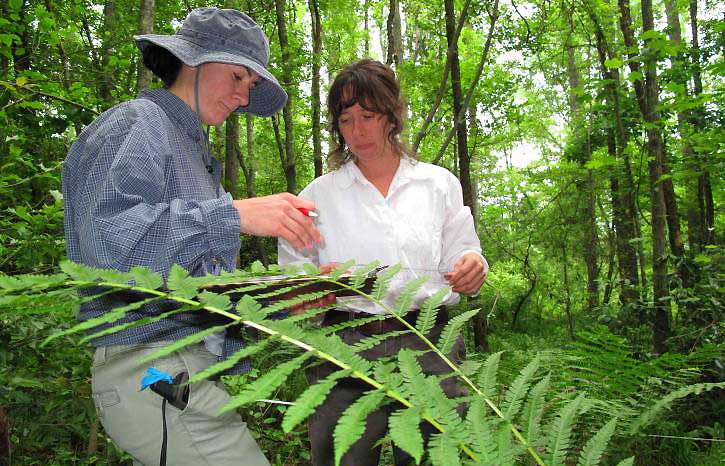
A biology degree program may require students to select coursework focused on ecological interactions, which include classes such as principles of ecology. These courses allow students to explore organisms and ecosystems beyond a traditional laboratory setting. Ornithology relies on direct observation of bird populations in their natural habitats. Students are able to record distribution patterns, identify species, and draw conclusions from data collected in the field. Animal behavior courses follow a similar approach, as these subjects cannot be fully understood through textbooks alone. Behavior and ecological relationships unfold in real-world environments, giving students the opportunity to apply concepts through hands-on study.
Coursework focused on ecological interactions verifies that biology majors gain experience with applied field research during their studies. Students may choose from courses such as evolution, animal behavior, principles of ecology, and terrestrial plant ecology, along with additional electives that include topics like island biogeography and directed research. This area of study can support career goals in evolutionary and environmental science and resource management.
The Distinct Biological Environments
Biology students may have opportunities to participate in off-campus study programs that place them in diverse biological environments. Faculty-led programs take students to locations such as Kenya to explore global food insecurity and the Galápagos Islands to study biodiversity. Other programs may examine the history of medicine and healing through experiences in locations such as Germany and Rome.
The Galápagos Islands provide a unique setting for studying biodiversity, evolution, and ecology. The region’s species communities have been shaped by geographic isolation, making the archipelago an ideal environment for exploring concepts such as adaptive radiation and island biogeography. These ideas can be introduced in the classroom but are often better understood when students observe them in the field.
Research and internship opportunities also provide biology students with hands-on experience in their areas of interest. Internship placements include clinical, research, health care, and environmental settings, allowing students to apply biological concepts. At the same time, they gain exposure to professional environments related to their career goals.
The Fieldwork and School Outcomes
The biology program prepares students for careers in health care, laboratory science, biotechnology, and education while also providing a strong foundation for graduate and professional programs. Many students have the option to pursue pre-professional pathways in medicine and genetic counseling. Graduate and professional programs in health care and the biological sciences expect applicants to demonstrate hands-on experience with organisms, research methods, and real-world scientific work. Internship credit and field-intensive coursework provide that documentation. Students who complete concentration tracks with fieldwork and research components gain hands-on experience they can highlight in graduate school applications, job interviews, and professional settings.
Choose a Biology Degree Program
Field-based learning includes off-campus study programs and credit-bearing internships. Through these experiences, students develop skills in observation, data collection, research, and professional practice. Find universities that offer graduate programs in your desired field.