
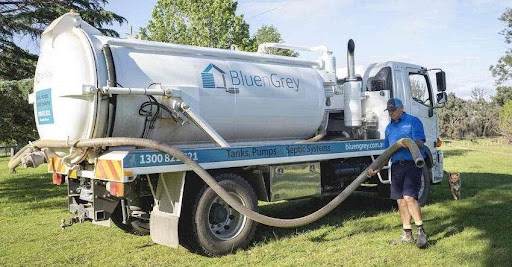
Maintaining a healthy septic system is crucial for the efficient operation of waste management in homes and small businesses. One of the critical aspects of septic system maintenance is ensuring that a septic tank pump out is conducted regularly. Neglecting this essential service can lead to serious issues such as blockages, overflows, and potentially costly repairs.
Understanding Septic Tank Systems
Septic tanks are underground treatment structures that process wastewater from household plumbing such as bathrooms, kitchen drains, and laundry. A well-functioning septic system involves a complex mechanism where waste gets separated, treated, and the resulting effluent is safely released into the ground.
How a Septic Tank Works
A septic tank operates by separating solid waste from liquid wastewater. The heavier solids settle at the bottom to form sludge, while oil and grease float to the top as scum. The remaining liquid wastewater is then channelled through a series of pipes into a drain field for further treatment by soil.
The Necessity of Regular Pump Outs
The buildup of sludge and scum in the septic tank is inevitable over time. Regular pump outs are necessary to remove these accumulations and prevent them from reaching levels where they could begin to impact the drainage and filtration processes.
Avoiding System Failures
Failure to conduct timely septic tank pump outs can result in the waste levels surpassing capacity, which can block the outlet pipe. This condition can lead to sewage backups in the home or untreated wastewater entering the drain field, potentially posing health hazards and environmental concerns.
Cost-Effectiveness of Regular Maintenance
Investing in regular pump outs is cost-effective in the long run. Regular maintenance averts expensive repairs that might necessitate replacing a malfunctioned component of the septic system, or addressing contamination issues caused by system failure.
Signs That a Pump Out is Needed
There are several signs that may indicate the need for an immediate septic tank pump out. These include slow draining sinks, gurgling pipes, unpleasant odours, or water pooling in unexpected areas around your property.
Preventing Health Hazards
Overflow from a septic tank can introduce pathogens into the local environment, leading to potential health risks for household members and surrounding wildlife. A properly maintained system ensures that the waste is processed correctly, safeguarding both the inhabitants and the ecosystem.
Sustainability and Environmental Impact
A well-maintained septic system is also an eco-friendly option, as it processes waste onsite, reducing reliance on centralised sewage treatment facilities. Regular pump outs ensure that systems continue to function optimally, thereby lessening the potential environmental footprint.
Professional Septic Tank Services
Engaging professional services for septic tank maintenance is advisable, as experts have the necessary tools and experience to address any system issues. Ensuring your service provider is reputable is equally important for maintaining your septic system’s health.
When to Schedule a Pump Out
The frequency of septic tank pump outs depends on several factors such as tank size, household size, and water usage practices. However, a general rule is to schedule a pump out every three to five years to ensure system effectiveness.
Customised Maintenance Plans
Some service providers offer customised maintenance plans tailored to your household’s specific usage patterns and system needs. This proactive approach can further optimise the performance and lifespan of your septic system.
Conclusion
In conclusion, regular septic tank pump outs are an essential component of household waste management, promoting a safe, efficient, and environmentally friendly home environment. For more information and to schedule a pump out, you can visit Blue N Grey’s septic tank pump out services.