
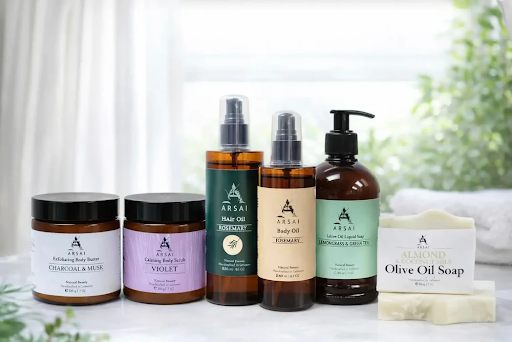
In the realm of skincare, many individuals are turning towards more natural and artisanal products to enhance their daily routines. Handmade soap has emerged as a popular choice for those seeking a luxurious yet simple addition to their skin care regimen. The use of natural ingredients and traditional techniques has made handmade soaps a preferred option over commercial alternatives.
Understanding Handmade Soap
Handmade soaps are typically crafted using a variety of natural ingredients such as essential oils, herbs, and botanical extracts. These components not only provide cleansing properties but also offer nourishing benefits to the skin. The process of making handmade soap involves saponification, a chemical reaction between fats or oils and an alkali, resulting in the creation of soap and glycerin.
The Benefits of Using Handmade Soap
One of the primary benefits of using handmade soap is its gentle nature. Unlike commercial soaps that often contain harsh detergents and synthetic fragrances, handmade soaps tend to be more soothing and less likely to irritate the skin. This makes them an excellent choice for individuals with sensitive skin or those prone to allergies.
Additionally, handmade soaps can be customised to cater to specific skin types or conditions. Whether your skin is oily, dry, or prone to acne, there is likely a handmade soap tailored to meet your needs. The ability to incorporate specific ingredients allows artisans to create unique formulations targeting various skin concerns.
Environmental Impact
Another significant advantage of choosing handmade soap is its lower environmental impact. Many handmade soap producers emphasise sustainability, using eco-friendly packaging, and sourcing sustainable ingredients. This contrasts with many mass-produced soaps, which often use non-biodegradable packaging and unsustainable ingredients.
Furthermore, the process of making handmade soap on a smaller scale generally results in less waste and energy consumption compared to large-scale manufacturing operations. Supporting local artisans not only helps the environment but also contributes to the local economy.
Aesthetic Appeal
Handmade soaps not only benefit the skin and the environment but also appeal to the senses. These soaps often come in a variety of shapes, colours, and scents, making them a charming addition to any bathroom space. The artistic effort that goes into each bar makes for a product that is both functional and visually pleasing.
Supporting Local Artisans
By purchasing handmade soap, consumers are supporting small businesses and local artisans who are passionate about their craft. This support helps to preserve the traditional soap-making techniques that have been passed down through generations. It also ensures that these skilled individuals can continue to do what they love, providing high-quality products to their communities.
How to Choose the Right Handmade Soap
When selecting handmade soap, it is important to consider your specific skin type and any particular skin conditions you may have. Reviewing the ingredient list can give insight into which soap might be the most beneficial. Essential oils, such as lavender or tea tree, could benefit dry or acne-prone skin, while ingredients like oatmeal or chamomile may suit sensitive skin.
Consumers should also pay attention to the source of the ingredients. Opting for soaps that use organic and sustainably sourced materials can further enhance the ethical and environmental benefits of your purchase.
The Process of Making Handmade Soap
Creating handmade soap is an art form that involves precision and creativity. The traditional method of cold process soap making allows artisans to carefully select and mix their ingredients. This method involves combining oils and lye and meticulously stirring until the mixture begins to harden. The final product is then cured for several weeks, allowing any excess moisture to evaporate and the soap to become harder and longer-lasting.
Some artisans also use the hot process method, where the soap mixture is heated, accelerating the saponification process. This results in a soap that can be used sooner but may have a less smooth finish than those created using the cold process.
Conclusion: The Simple Luxury
Handmade soap represents a simple luxury with profound benefits, both for personal skincare and the environment. Its natural, customisable nature, along with the support of sustainable practices and local artisans, makes it a valuable addition to anyone’s skincare routine. Embracing handmade soap not only enriches your daily self-care rituals but also supports a cleaner, more thoughtful way of living.