
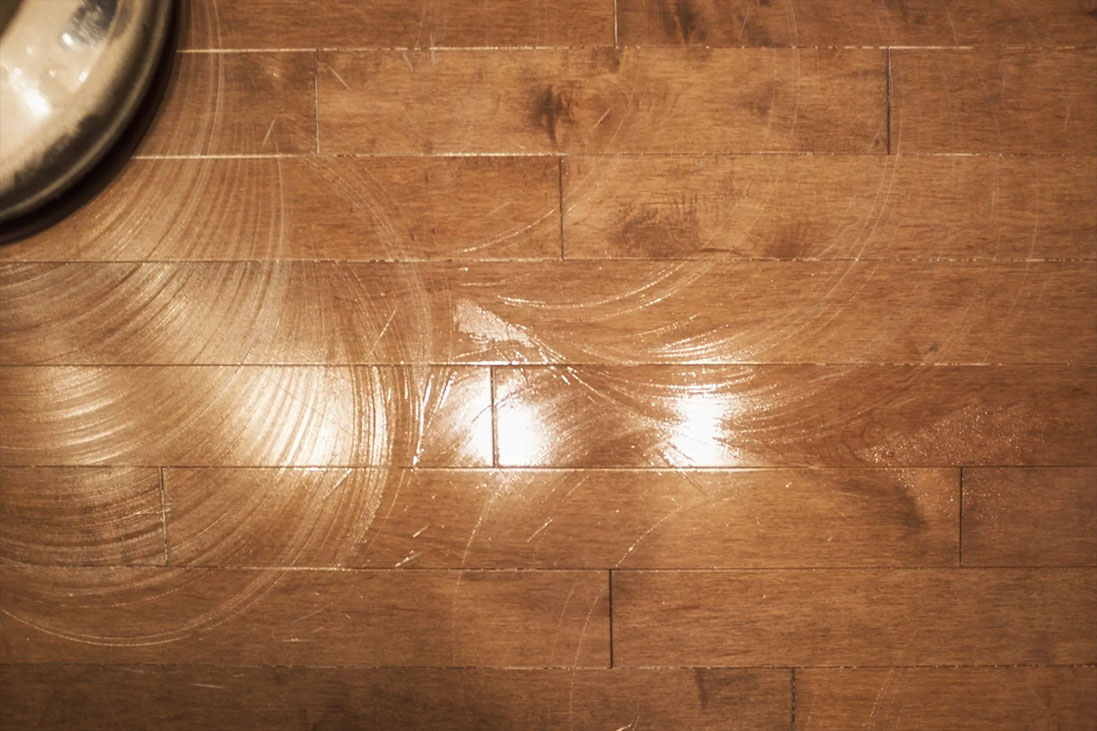
A flooring finish determines how the surface characteristics appear once installed. Hardwood types respond differently to each surface treatment, and these differences affect plank character and color variation. Understanding these distinctions helps match a hardwood selection with the intended style, atmosphere, and architectural details of a space. The following are the various finishes for wood flooring:
Wire-Brushed Finish
A wire-brushed finish adds surface texture to wood flooring by removing softer wood fibers from the plank surface. This process reveals more grain definition and creates visible texture across the floor. It also changes the appearance of grain patterns because the textured surface creates variation across each plank, making each plank more distinctive. Lighting conditions affect how these surface details appear after installation. Wire-brushed finishes create a natural appearance within hardwood designs that feature visible surface detail. The textured treatment adds character to the flooring surface while maintaining the wood’s natural qualities.
Hand-Scraped Finish
A hand-scraped finish creates a hardwood surface with visible texture and variation across each plank. The finishing process introduces surface details that create a less uniform appearance than smooth hardwood options. Hand-scraped textures create subtle irregularities across the plank surface through intentional scraping marks and variations. These details change how the floor appears by adding depth and contrast to the wood’s natural grain.
Design consultations provide guidance when selecting hand-scraped hardwood finishes and coordinating flooring choices. Consultants help evaluate the finish style, hardwood options, and project requirements during the selection process. They make sure it also fits the overall design of your home. This support helps connect a hand-scraped finish with the overall flooring design.
Smooth Finish
A smooth finish creates a hardwood surface with minimal visible texture across the plank, opting for a clean, seamless look. This surface treatment presents the wood’s natural appearance with grain patterns and plank details remaining visible. Hardwood collections include species such as maple, hickory, and walnut.
Each wood type has its own visual characteristics, and the smooth surface provides a consistent background for these details. Smooth finishes work with different plank sizes, tones, and installation patterns. Hardwood floors with wider plank sizes display larger sections of the wood surface, making grain and plank character easier to see.
Textured Finish
A textured finish creates a hardwood surface with intentional variations across the plank. Unlike a completely smooth surface, this finish includes visible surface details that change the way the wood appears. The added texture creates differences in the way grain patterns, surface markings, and plank details are presented. Textured finishes are created through surface treatments that add definition to the hardwood appearance. These treatments affect the level of visible detail across the floor, creating a more varied surface presentation.
Review Wood Flooring Finishes
Reviewing surface treatment, grain visibility, texture, and color helps compare wood flooring finishes for different design preferences. Design consultants help evaluate finish options for hardwood styles and layouts and guide the selection process based on the project’s flooring needs. Visiting a showroom allows you to view samples and larger displays that show surface details under different lighting conditions. Compare hardwood finishes today and choose a preferred style.