

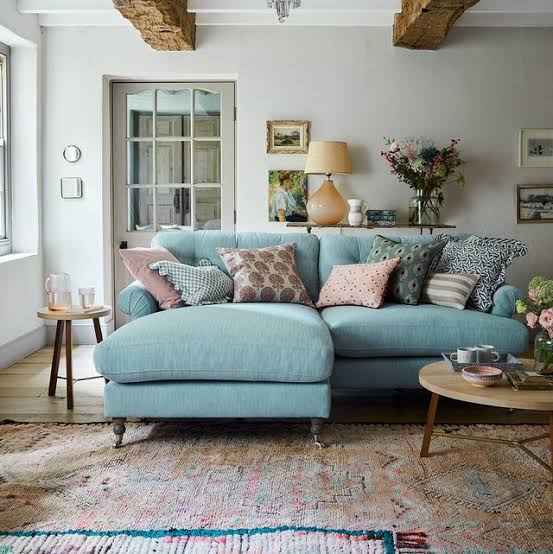
A room’s luxury interior paint color builds the foundation for all interior design choices. The chosen hue interacts with existing upholstery, or it clashes with the drapery and art. Until homeowners test shades thoroughly, they risk extensive redecorating, and they must select colors carefully based on natural room conditions. The selection process involves testing physical samples, and it requires quality application materials. Proper methods guide the entire painting process.
Testing Luxury Interior Paint
Professionals apply two coats of luxury interior paint to large swatches. These painted test sections measure at least two feet by two feet, and they sit in multiple spots throughout the space. Since sample paint formulas are thin, the previous wall color shows through a single coat. That transparency alters the visual result entirely. After people paint the test areas, they view the colors during early morning, midday, and sunset, and they check the appearance under artificial light at night. Different light sources change the specific hue. Reviewing the color at various hours reveals the true nature of the pigment. Smaller swatches often fail to show these changes clearly, so larger painted sections provide a more accurate representation of the final appearance.
Reviewing Natural Light
Natural light direction alters color perception. Northern exposure provides a cooler light source, so it makes colors appear muted. Southern light provides consistent warmth, and it enhances the depth of the chosen hue. Eastern light is warm and soft during the morning hours. As the day progresses, the paint often appears more subdued in east-facing rooms. Western light intensifies later in the afternoon, and it amplifies the paint shade into the early evening. Since rooms receive different levels of sunlight throughout the day, the same color appears different from one space to another.
Paint contains subtle underlying hues, and these undertones shift the mood of a room. Unless individuals identify these nuances, red or pink undertones add unexpected warmth, and gray or green undertones create a more muted effect. Undertones influence the relationship between paint and surrounding décor. Individuals compare swatches with major fixed elements throughout the room. Rugs, flooring, cabinetry, wallpaper, and upholstery all affect how the paint appears within the space. Before homeowners commit to a specific color, they place the test sample next to existing features, and they observe the relationships between the hues. This comparison highlights subtle color differences. It also reveals potential harmony or contrast between design elements.
Selecting Paint Tools
Individuals use paint decks and color cards during the selection process. As people navigate color options from fan decks, they try one or two shades lighter, and they retain the desired visual impact. A lighter selection often feels more balanced over time, while darker shades create a stronger visual effect. Paint companies supply several materials used during application:
- Paints
- Primers
- Undercoats
- Mineral spirits
- Brushes and application tools
Once individuals purchase application materials, some hire certified painters familiar with specific product applications. The company also provides access to professionals who follow manufacturer recommendations during the painting process. Proper preparation and application methods affect the consistency of the final finish.
Explore Paint Options
Selecting interior paint requires multiple structured steps. Since lighting and undertones change the appearance of the finish, physical testing remains necessary, and individuals must evaluate all variables closely. The evaluation process involves careful swatch placement, and it relies on comparing options thoroughly. Quality application materials complete the project correctly. Explore paint options in your local store.