Home care often centers on schedules, medications, and safety checklists. All important. But something quieter shapes daily well-being just as powerfully. Time outdoors.
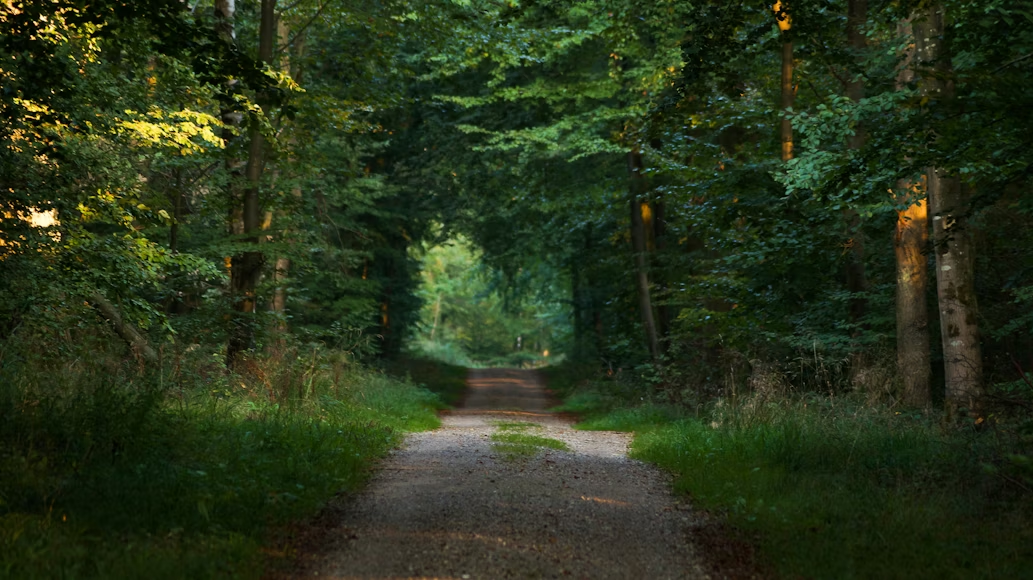
A short walk under trees. Morning light on a balcony. Fresh air moving through the body. These moments ground care routines in something deeply human.
And they matter, because most people want to age in place. According to Statista, 75 percent of U.S. adults over 50 want to age in place. They say staying in their current home as long as possible matters to them.
For people receiving care at home, especially seniors or those managing chronic conditions, nature is not a luxury. It is a form of support. When outdoor time becomes part of daily care, it influences mood, mobility, sleep, and even how people relate to their caregivers.
Let’s break down why nature walks and outdoor exposure deserve a deliberate place in home care planning.
Nature Regulates the Body Without Effort
The body responds to natural environments instinctively. Heart rate slows. Muscles release tension. Breathing deepens without instruction. This matters in home care settings where stress quietly accumulates, especially for people spending long hours indoors.
Though outdoor time is clearly beneficial, it is important to note that movement is difficult for many. In fact, those who need nature the most often face physical limitations that make walking unsafe or exhausting. The CDC reports that over 12 percent of U.S. adults live with a mobility issue. It causes serious difficulty with walking or climbing stairs.
This is where professional home care services play a critical role. Trained caregivers provide hands-on assistance, help with balance, and adapt outdoor routines to each person’s ability level. They also manage daily tasks that conserve energy, as noted by AmeriBest Home Care.
Even short, supported outdoor time can lower cortisol and improve circulation. Sunlight helps regulate sleep and appetite. With the right help, nature works without adding strain to daily care.
Mental Health Gains That Go Beyond Conversation
Emotional health is often harder to manage than physical tasks. Loneliness, low mood, and quiet grief are common in home care settings, even when daily needs are met. Nature offers relief without requiring conversation or emotional processing, which makes it especially valuable.
Research consistently shows that green spaces reduce symptoms of depression and anxiety. Even brief outdoor exposure can improve attention and emotional regulation. For people living with cognitive decline, familiar routes can spark recognition and help calm agitation.
Not everyone wants to talk about how they feel. Outdoor walks create space for emotions to settle without pressure. Silence feels natural rather than awkward. Over time, that calm presence can shift the emotional tone of care and make daily routines feel lighter and more humane.
Caregivers Benefit Just as Much
Home care often overlooks caregiver wellbeing. Burnout rarely announces itself. It shows up as fatigue, irritability, and emotional distance. The role has also grown more demanding over time.
The Center to Advance Palliative Care reports that 55 percent of caregivers now handle medical or nursing tasks. They also manage daily activities such as bathing and toileting. That combination places a real mental and physical toll on the person providing care.
Outdoor walks offer caregivers a needed reset. Fresh air, light movement, and a change of scenery ease mental strain and physical tension. Caregivers who feel calmer tend to provide steadier, more attentive care.
Walking together also shifts the dynamic. Conversations flow more naturally. Silence feels comfortable. Shared moments replace task-focused interactions. Over time, this strengthens trust and improves cooperation across other parts of daily care.
Nature Supports Cognitive Engagement
Outdoor environments stimulate the brain in gentle ways. Sounds, colors, weather changes, and seasonal shifts provide sensory input that indoor spaces cannot replicate. For individuals with dementia or mild cognitive impairment, familiar outdoor settings support orientation and memory. A tree, a bench, and a garden path anchor attention in the present moment.
This aligns with guidance from MedlinePlus, which notes that regular movement helps keep thinking, learning, and judgment skills sharp as people age. Physical activity triggers the release of proteins and chemicals that support brain structure and function. Even for those without cognitive conditions, nature invites curiosity.
Watching birds. Noticing plants. Feeling temperature shifts. In daily home care, that engagement reduces passivity. People become active participants in their environment again.
Making Outdoor Time Safe, Sustainable, and Routine
Safety always comes first. Outdoor routines should be adapted to individual abilities. Flat paths, supportive footwear, weather-appropriate clothing, and supervision when needed make outdoor time both safe and realistic. The focus is comfort, not distance or speed.
Routine also matters, especially in home care. Researchers studying more than 1.3 million home health patients in the U.S. found that nearly 30 percent had a diagnosis of dementia. In cognitive conditions, predictability plays a critical role. In cognitive conditions, predictability plays a critical role. Familiar timing and repeated patterns reduce confusion and anxiety.
Consistency matters more than ambition. A ten-minute daily walk offers more benefits than an occasional long outing. On days when walking is not possible, sitting outside or opening windows still helps. When outdoor time is treated as essential, alongside meals and rest, it becomes something people expect and trust.
FAQs
What is the meaning of home care?
Home care refers to supportive services provided in a person’s own home. It helps with daily living, health needs, and recovery. Services may include personal care, medication support, mobility assistance, and guidance that helps people remain safe and independent at home.
What is a good walking distance for seniors?
A good walking distance for seniors is often measured by time rather than distance. Ten to thirty minutes is a common range. Short, consistent walks are more beneficial than long ones and support balance, circulation, mobility, and overall physical and mental well-being.
Does greenery help reduce stress?
Yes, greenery helps reduce stress by calming the nervous system. Exposure to natural environments lowers cortisol and heart rate. Even brief contact with trees, plants, or green views can improve mood, focus, emotional balance, and overall mental well-being during daily life periods.
Overall, as more people receive care at home, daily environments shape long-term outcomes. Homes can easily become closed systems. Screens replace scenery. Artificial light replaces daylight. Movement shrinks. Nature reopens those systems. It reconnects care with life beyond walls.
What this really means is that good home care isn’t only about managing needs. It’s about preserving humanity. Nature walks and outdoor time do exactly that, quietly and consistently.
When care includes fresh air, movement, and living landscapes, it stops feeling like maintenance. It starts feeling like living again.