
What Are Allergies?
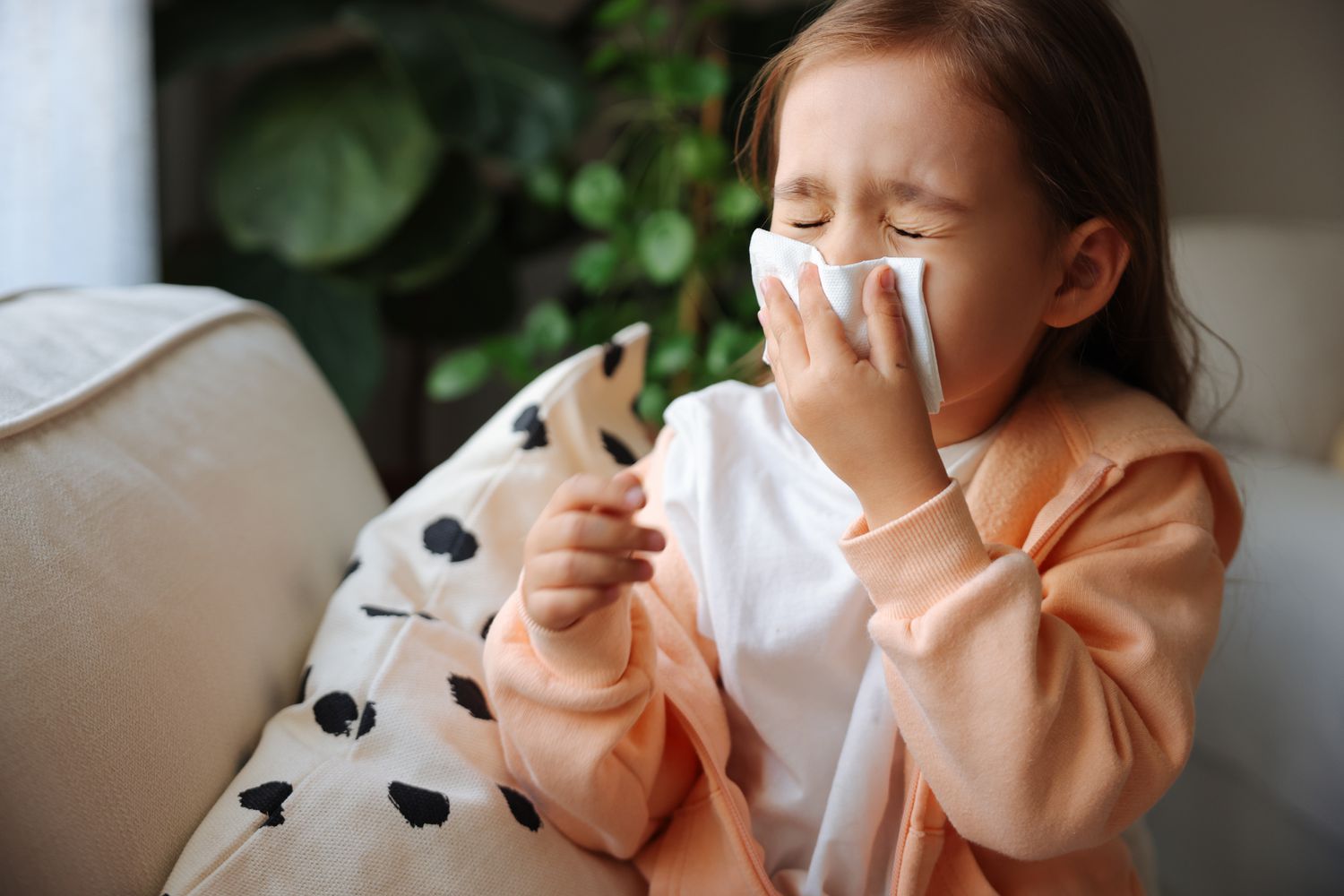
Allergies are hypersensitive immune system responses to substances that are normally harmless, such as pollen, pet dander, or certain foods. These substances, known as allergens, trigger symptoms that can range from mild irritation and sneezing to life-threatening anaphylaxis. Allergies are prevalent across all age groups, impacting millions globally and affecting quality of life year-round. If you find yourself frequently reacting to environmental or food triggers, consulting with an allergy doctor is a critical first step in identifying what’s causing your symptoms and how best to treat them.
Working with an allergy doctor ensures a thorough diagnosis and a tailored management approach. An allergy specialist can recommend avoidance strategies, medications, or specialized therapies that fit your specific needs, helping you live more comfortably regardless of the season.
Common Allergens And Their Sources
Several sources of allergens can spark reactions both indoors and outdoors. The most common include:
- Pollen: Trees, grasses, and weeds release pollen, especially in spring and fall, leading to widespread seasonal allergies.
- Pet Dander: Tiny skin flakes shed by cats, dogs, and other animals can linger in homes and public spaces.
- Dust Mites: These microscopic creatures thrive in carpets, bedding, and upholstered furniture, contributing heavily to indoor allergies.
- Mold Spores: Mold tends to grow in damp places like bathrooms and basements, releasing spores into the air.
- Foods: Common food allergens include peanuts, shellfish, milk, eggs, and wheat. Even trace amounts can provoke strong responses in sensitive individuals.
- Insect Stings or Bites: Bees, wasps, or fire ants can trigger localized swelling or severe systemic reactions.
Understanding which allergens affect you and where they originate helps you minimize exposure and plan for effective avoidance and relief.
Managing Seasonal Flare-Ups
Allergy symptoms often worsen with the changing seasons. For instance, spring typically brings higher levels of tree and grass pollen, while autumn is dominated by ragweed. In the summer, heat and humidity can exacerbate mold growth, while winter drives people indoors, increasing exposure to dust mites and pet dander. Stay ahead of seasonal triggers by monitoring local pollen reports and planning outdoor activities during lower pollen times. Simple steps, such as wearing sunglasses outdoors, changing clothes when entering the home, and keeping home entryways as allergen-free as possible, can significantly reduce flare-ups.
When pollen counts are high, keep windows and doors closed, and run air conditioning with clean filters. Regularly bathing pets and limiting their access to bedrooms also helps control indoor allergen levels. Learn more tips for managing your environment on the Centers for Disease Control and Prevention resource page.
Everyday Strategies For Reducing Allergens At Home
- Utilize high-efficiency particulate air (HEPA) filters in your home’s air purifiers and vacuum cleaners to trap tiny allergen particles.
- Wash all bedding, including pillowcases and sheets, in hot water (at least 130°F/54°C) weekly to kill dust mites.
- Shower and change clothes before bedtime to avoid transferring outdoor allergens like pollen to your sleeping space.
- Keep windows and exterior doors closed during days with high pollen or mold counts, and use air conditioning for ventilation.
- Wipe down surfaces and vacuum carpets regularly to minimize dust and allergen accumulation.
These adjustments create a healthier indoor environment, reducing opportunities for allergens to cause ongoing symptoms. Small habits, such as not wearing shoes indoors and reducing clutter, can have a surprisingly positive effect on allergen levels.
Handling Allergies While Traveling Or At Work
Navigating allergy triggers beyond your home environment requires some preparation. While traveling, book accommodations with hypoallergenic options whenever available. Let your hosts or hotel know about your allergies in advance. Pack any prescription or over-the-counter allergy medications, and consider allergy-proof pillow or mattress covers for longer trips. At work, politely communicate needs regarding allergens—such as pet policies, air fresheners, or common snack foods—to minimize your risk.
Carrying an emergency action plan, such as an epinephrine auto-injector for severe food or insect allergies, is vital. Wearing a medical alert bracelet or necklace can inform coworkers or emergency responders of your condition, providing an extra layer of safety.
Medical Options And When To Seek Expert Help
A range of effective medical treatments is available for allergy relief. Over-the-counter antihistamines, nasal corticosteroids, and eye drops can control many symptoms. For persistent, worsening, or unclear reactions, a referral to an allergy specialist is crucial for further testing and guidance. An allergist can offer skin or blood testing to identify your precise triggers, and devise a management plan that might include immunotherapy (allergy shots) or even newer biologic medications for severe cases.
If you experience difficulty breathing, swelling of the lips or throat, or symptoms of anaphylaxis, seek emergency medical attention without delay. Regular follow-up visits with your healthcare provider will keep your treatment plan current and effective.
Latest Allergy Research Trends
Research in the field of allergies is advancing rapidly, offering hope to those who suffer from recurrent symptoms. Major breakthroughs include new forms of immunotherapy for both environmental and food allergies, as well as better diagnostic tools that provide faster and more accurate results. Innovations such as oral and sublingual immunotherapy have made treatment more accessible and less invasive.
Staying informed about developments in allergy management empowers you to discuss the most up-to-date options with your doctor. For ongoing news and research updates, reference resources like PubMed Central’s allergy research collections and the NIH Allergy Research.
Conclusion
Living with allergies doesn’t have to mean constant discomfort or disruption. By adopting practical strategies tailored to each season—such as minimizing triggers, keeping your environment clean, and seeking appropriate medical guidance—you can significantly improve your quality of life. With consistent care and mindful adjustments, it’s possible to enjoy daily activities more comfortably and stay in control of your allergy symptoms year-round.