
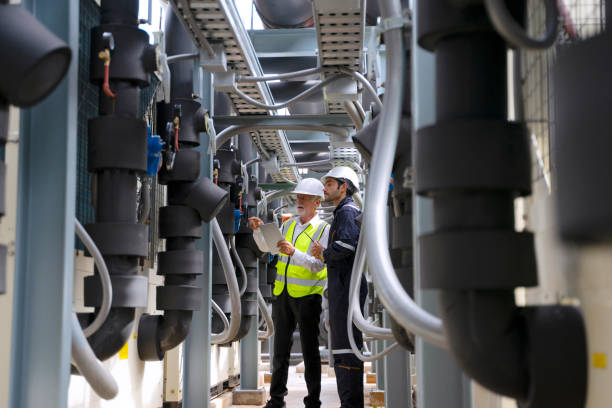
Heating, ventilation, and air conditioning (HVAC) systems are crucial for maintaining a comfortable indoor environment, but they can be complex and prone to wear and tear. Like any mechanical system, Commercial HVAC systems have a limited lifespan and require regular maintenance to function optimally. Preventative maintenance plays a vital role in extending the lifespan of HVAC systems, reducing the need for costly repairs, and ensuring efficient operation.
The Importance of HVAC System Lifespan
The average lifespan of an HVAC system varies depending on the type, quality, and usage. Generally:
- Air conditioners: 10-15 years
- Furnaces: 15-20 years
- Heat pumps: 10-15 years
However, with proper maintenance, these lifespans can be extended, and system performance can be optimized.
The Benefits of Preventative Maintenance
Preventative maintenance offers numerous benefits, including:
- Extended system lifespan: Regular maintenance can identify and address potential issues before they become major problems, extending the system’s lifespan.
- Improved efficiency: Well-maintained systems operate more efficiently, reducing energy consumption and lowering utility bills.
- Reduced repair costs: Preventative maintenance can identify and address potential issues before they require costly repairs.
- Enhanced system performance: Regular maintenance ensures the system operates at peak performance, providing consistent comfort and reducing the risk of breakdowns.
- Improved indoor air quality: Regular maintenance can improve indoor air quality by reducing airborne contaminants and preventing moisture buildup.
Preventative Maintenance Tasks
To extend the lifespan of your HVAC system, consider the following preventative maintenance tasks:
- Regular filter changes: Replace air filters regularly to ensure optimal airflow and system performance.
- Duct cleaning and inspection: Clean and inspect ducts to prevent leaks, clogs, and damage.
- System cleaning: Clean system components, such as coils and fans, to prevent damage and ensure optimal performance.
- Thermostat calibration: Calibrate your thermostat to ensure accurate temperature control and optimal system performance.
- Scheduled maintenance: Schedule regular maintenance with a qualified technician to identify and address potential issues before they become major problems.
Best Practices for Preventative Maintenance
To get the most out of preventative maintenance, consider the following best practices:
- Schedule regular maintenance: Schedule maintenance at least twice a year, once before peak heating season and once before peak cooling season.
- Keep records: Keep records of maintenance activities, including filter changes, duct cleaning, and system inspections.
- Monitor system performance: Monitor system performance and report any issues or concerns to your maintenance technician.
- Invest in a maintenance contract: Consider investing in a maintenance contract with a qualified technician to ensure regular maintenance and priority service.
Conclusion
HVAC Preventative maintenance is essential for extending the lifespan of HVAC systems, reducing repair costs, and ensuring efficient operation. By prioritizing regular maintenance, you can enjoy improved system performance, enhanced indoor air quality, and reduced energy bills. Don’t wait for your system to break down – schedule your next maintenance visit today and ensure your HVAC system operates efficiently and effectively for years to come.


