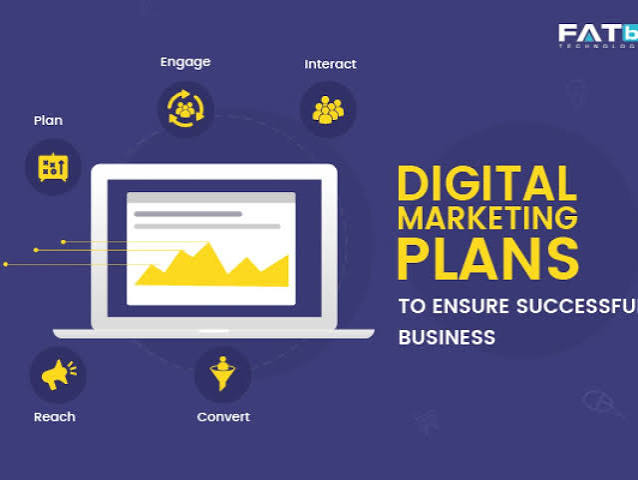
For a small service business, digital marketing is not about sounding bigger than competitors. It is about making it easy for the right customer to find you, understand what you offer, and feel confident enough to get in touch. A focused plan can turn a website, business profile, and customer experience into a steady source of qualified leads.
Working with a knowledgeable digital marketing company Denver can help businesses organize that effort, but the fundamentals still matter most. Clear information, practical proof, responsive communication, and consistent follow-through are what make marketing believable.
Why Trust Matters More for Service Businesses
Service buyers often have more at stake than retail shoppers. A homeowner looking for a roofer, plumber, attorney, accountant, or repair company may be dealing with cost, urgency, safety, or a major inconvenience. Before requesting an estimate, they are likely to compare reviews, photos, service details, response times, and credentials.
Consider a homeowner comparing three local repair companies. One has vague claims, an outdated phone number, and no explanation of its process. Another explains common issues, shows recent work, lists its service area, and includes honest reviews. The second business feels easier to trust because it answers questions before the first call.
Step 1: Set One Clear Business Goal
Begin with a business outcome, not a list of platforms. For the next 90 days, choose one main goal, such as increasing quote requests, booked consultations, qualified phone calls, or repeat appointments. The SBA’s marketing guidance is a useful reference for connecting target markets, actions, budgets, and return on investment.
Set a specific target and deadline. For example, aim for 20 qualified estimate requests in 90 days. Then select one or two supporting measures, such as website conversion rate, cost per lead, or the percentage of leads that become paying customers.

Step 2: Define the Best-Fit Customer
The best marketing message is not meant for everyone. Define the customers who are most likely to need your service, value your work, and fit your pricing. Consider their location, urgency, budget, property or business type, common concerns, and the questions they ask before buying.
Review sales calls, emails, support messages, customer interviews, and online reviews. The language customers use can improve service pages, ads, and follow-up emails. It also helps separate high-value prospects from inquiries that are unlikely to become profitable work.
Step 3: Build a Local Search Foundation
Make sure every public business detail is accurate. Your name, address, phone number, hours, service area, website, and contact method should be consistent across all channels where customers find you. Keep profiles complete with current photos, correct categories, and timely updates.
Your website should also explain each important service in plain language. Create focused service or location pages only when they provide original details, such as local availability, process information, pricing factors, or relevant examples. Use local phrases naturally. Forced keyword repetition makes content harder to read and less trustworthy.
Step 4: Create Content That Answers Real Questions
Helpful content should solve problems customers already have. Good topics include cost guides, service comparisons, maintenance checklists, common mistakes, before-and-after explanations, and frequently asked questions. A short answer with practical details is often more valuable than a long page full of broad promises.
Add first-hand experience whenever possible. Explain what your team sees in the field, what affects the scope of work, and what customers can expect during the process. Google’s guidance on helpful content emphasizes creating original, people-first information that demonstrates real value and clear expertise.
Step 5: Use AI Without Losing the Human Voice
AI can help brainstorm topics, organize notes, prepare content briefs, summarize campaign data, and draft basic outlines. It should not replace professional judgment. Review every AI-assisted draft for inaccurate facts, repetitive language, weak claims, outdated details, and wording that does not sound like your business.
Improve the final version with real customer questions, service lessons, team observations, and examples from completed work. Generic content published at scale rarely builds lasting confidence because it does not show why a customer should choose your business.
Step 6: Improve the Website Experience
Every important page should make the next step obvious. Use direct calls to action such as “Request a Quote,” “Book a Visit,” or “Call Today.” Keep forms short, mobile-friendly, and limited to details your team will actually use.
Help prospects make a decision by showing service areas, typical response times, payment options, guarantees, and answers to common questions. Check page speed, readability, accessibility, and contact details regularly. Even a clearer headline or a simpler form can improve both conversion rate and lead quality.
Step 7: Choose Channels Based on Customer Behavior
Building a successful local business in Nevada requires earning customer trust, which can be enhanced through effective management of Google Reviews. By providing excellent service, actively seeking feedback, and responding to reviews, businesses can improve their online reputation and attract loyal customers. Authenticity and consistency are crucial for standing out amid competition, fostering growth, trust, and community relationships. In a dynamic market, mastering Google Reviews is vital for ongoing success.
Step 8: Create a Simple Review and Referral System
Ask satisfied customers for honest feedback soon after a successful service experience. Make the process easy, but never pressure anyone to leave a specific rating. Respond calmly to positive and negative reviews, showing future customers that the business listens and takes concerns seriously.
Referrals work best when the customer experience matches the marketing promise. Reviews can also reveal useful wording for future pages, ads, and FAQs because they show what customers noticed and valued most.
Step 9: Track Leads From First Click to New Customer
Track more than website visits. Monitor calls, forms, bookings, quote requests, completed sales, and revenue when possible. Use campaign tags, unique phone numbers, form questions, or booking fields to understand where leads came from.
Separate total inquiries from qualified leads. A channel that produces fewer contacts may still be the better investment if those prospects become higher-value customers. Review performance monthly and use the findings to improve pages, follow-up processes, targeting, and budget decisions.
A Practical 90-Day Marketing Plan
- Days 1 to 30: Define the best-fit customer, choose the primary goal, correct business information, and improve core service pages.
- Days 31 to 60: Publish helpful content, request reviews, strengthen calls to action, and test one focused promotional channel.
- Days 61 to 90: Review lead quality, compare marketing costs with revenue, update weak pages, and invest further in what produces the best customers.
Common Mistakes to Avoid
- Changing tactics before there is enough data to judge results.
- Writing for search engines instead of answering real customer questions.
- Making broad claims without reviews, examples, credentials, or other proof.
- Ignoring missed calls, slow replies, and weak follow-up systems.
- Measuring likes and traffic while overlooking bookings and sales.
- Running ads before fixing the landing page and customer response process.
Conclusion
A trustworthy digital marketing plan does not have to be complicated. It needs a clear goal, a useful message, visible proof, an easy next step, and regular measurement. Small service businesses that consistently answer real questions and improve the customer journey can earn attention, confidence, and better leads without spreading their effort across every available platform.