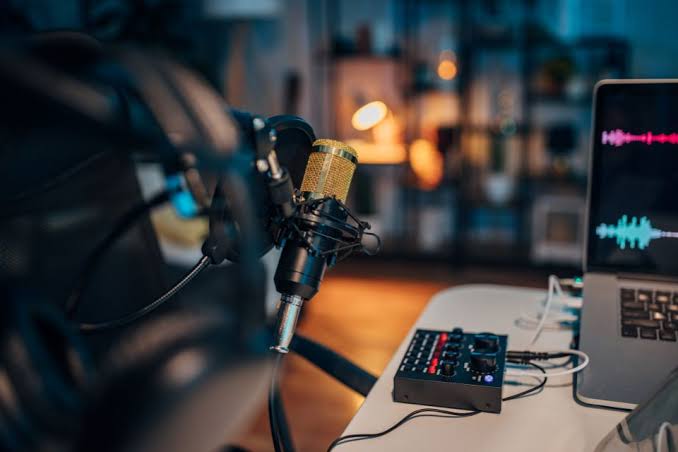
Video podcasts combine recording, visual elements, and editing into a single, connected process. A podcast studio is prepared to guide clients through each stage and offer techniques to promote engagement. Live switching controls the camera view during recording, and post-production improves the recorded material after the session ends. Here is a look at how both parts of podcast production contribute to the published content:
Understanding Live Switching
Live switching requires multiple cameras that capture different subject angles. During a podcast, this may be individual headshots, group images, or profile views. Camera operators can change which camera feed is visible to viewers during a video podcast recording. A podcast studio uses this technique to manage video presentations as conversations develop during the session. The selected view becomes part of the recorded video, and this allows visual decisions to happen during recording instead of after the session.
Knowing What Post-Production Handles
Post-production turns recorded material into finished assets for podcasts, social media, and video platforms. After the initial recording, studios continue the production process with editing, mixing, and editorial consultation after each session. Professionals can also edit in graphics or clips from other media. Each service addresses a different stage of preparing recorded material for publication.
Editing organizes recorded content into a complete episode, while mixing improves audio consistency across the program. Both services strengthen the final presentation without changing the recorded discussion. Editorial consultation helps optimize show format, pacing, and production assets because different publishing platforms require different deliverables. These finishing services prepare each episode for distribution while preserving its original content. Full episodes may also be condensed into graphics or social media clips for advertising or promotional purposes.
Reviewing Hybrid Recording Services
Remote participation expands podcast production beyond the studio. Studios designed for hybrid recording combine in-studio and remote contributors within the same session, so conversations continue even when participants are separated by location. This approach supports interviews, executive discussions, and expert panels because guests join from wherever they work. Hybrid production broadens participation without changing the recording’s structure. Clean connectivity and seamless integration help remote contributors participate alongside in-studio guests. Some studios also support multitrack recording, which preserves separate audio sources throughout the session. This helps keep dialogue clear, especially when sound quality is impacted by a call.
Requesting Full-Service Production
Full-service production integrates concept development, recording, post-production support, and delivery assistance into one coordinated process. Studios that provide these capabilities allow podcast projects to navigate different production requirements within a single production environment. Editorial consultation helps define the podcast format before production begins, and that direction guides later production decisions.
Production requirements vary across podcast projects. Some productions fit a single recording session, whereas others follow recurring schedules or span multiple production days. Flexible scheduling allows productions to follow different schedules or visual styles. This adaptability supports consistent execution across changing production demands.
Book a Podcast Studio Session
Production quality reflects decisions made throughout the recording process. Selecting a podcast studio with broadcast, hybrid, and production capabilities keeps technical and creative work within one production environment. Because the same team manages each stage, they can support projects with different recording requirements, one-time productions, and ongoing series. Contact a studio today to discuss your next podcast project.