
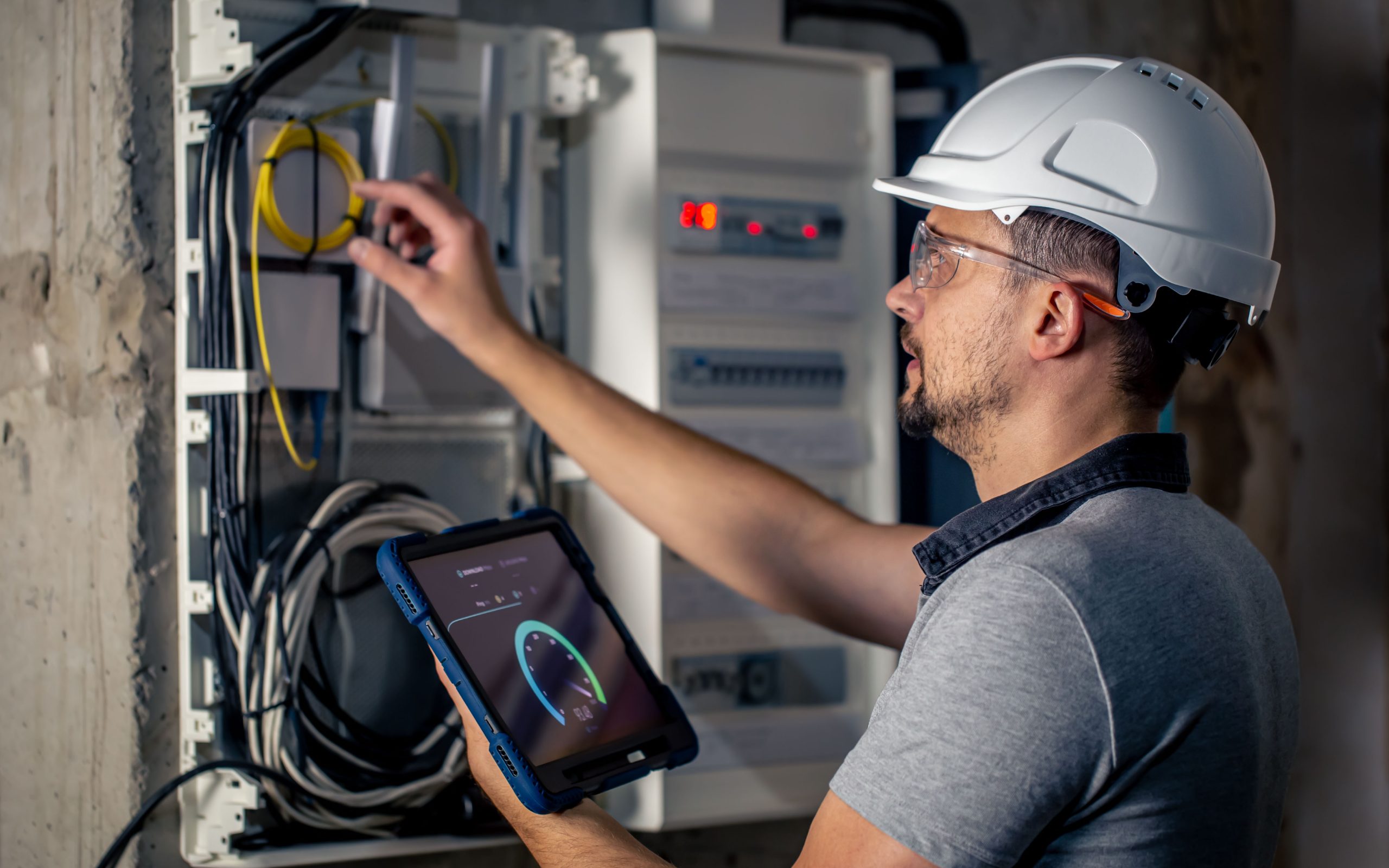
Energy-efficient homes depend on more than good insulation and efficient appliances. The electrical system also plays a major role in how much power a home uses each day. Electricians help homeowners reduce waste by improving wiring, lighting, panel capacity, controls, and system layout. Their work can make a home safer, more comfortable, and easier to manage. From upgrading old circuits to installing smart controls and LED lighting, electricians support practical changes that lower energy use without reducing daily convenience. With careful planning, the home can use power more wisely through every season.
Where Energy Savings Begin
- Updating Lighting for Lower Energy Use
Lighting is one of the most common areas where electricians help improve home efficiency. Older bulbs and outdated fixtures can use more electricity than necessary, leading to unnecessary costs over time. An electrician can replace inefficient lighting with LED fixtures, dimmers, motion sensors, and better control systems that match how each room is used. For example, hallways, closets, garages, outdoor areas, and bathrooms may benefit from sensors that turn lights off when no one is present. Kitchens, living rooms, and offices may need layered lighting that provides comfort without relying on bright overhead fixtures all day. Homeowners searching for an electrician near me may be looking for help with practical upgrades that reduce waste and improve the look and function of their home. Better lighting design can also reduce heat from older bulbs, which may slightly reduce cooling strain during warm months. Small lighting changes can create steady savings.
- Improving Panels, Circuits, and Power Flow
An energy-efficient home needs an electrical system that can safely support modern demand. Many older homes were not built for today’s appliances, computers, chargers, HVAC equipment, and smart devices. When circuits are overloaded or panels are outdated, energy use can become less efficient, and safety concerns may increase. Electricians can inspect the panel, wiring, breakers, and circuit layout to see whether power is being distributed properly. They can add circuits where needed, replace worn components, and correct unsafe connections that may create heat or repeated breaker trips. This does not lower every bill on its own, but it helps appliances and systems run more reliably. Proper wiring also supports efficient upgrades such as smart thermostats, efficient water heaters, improved lighting, and updated kitchen equipment. When the electrical system is stable, the home is better prepared for energy-saving improvements that depend on clean, safe, and consistent power delivery.
- Adding Smart Controls and Better Automation
Electricians also help homeowners use energy more carefully through smart controls. A smart thermostat, lighting controls, timers, occupancy sensors, and connected switches can reduce waste by matching power use to actual need. Many homes waste electricity because lights stay on, outdoor fixtures run too long, or heating and cooling settings are not adjusted when people leave. Smart controls help solve these problems without requiring constant attention. An electrician can install devices correctly, connect them to the proper circuits, and ensure they operate safely with existing wiring. This is important because poorly installed controls may cause flickering, short cycling, or device failure. Automation can be useful in busy households where routines change during workdays, school schedules, and travel. By giving homeowners more control over power use, electricians help make efficiency easier to maintain. Energy savings become part of daily living rather than something that requires constant effort.
- Supporting Efficient Appliances and Home Upgrades
Many energy-efficient upgrades rely on correct electrical installation. Heat pumps, efficient HVAC equipment, induction cooktops, EV chargers, tankless water heaters, and updated laundry appliances may need dedicated circuits, panel capacity, or wiring adjustments. Electricians help determine whether the home can safely support these upgrades. If the electrical system is not ready, adding high-demand equipment can cause tripped breakers, overheating, or poor performance. A careful electrical assessment helps homeowners plan improvements in the right order. For example, a panel upgrade may be needed before adding certain appliances or chargers. Electricians can also install whole-home surge protection, which helps safeguard sensitive electronics and appliances from damage caused by voltage spikes. When upgrades are installed correctly, they are more likely to perform as intended and last longer. This makes the home more efficient while reducing the chance of avoidable repairs, wasted energy, and future inconvenience.
Safer Homes With Better Efficiency
Electricians play an important role in creating energy-efficient homes by improving lighting, wiring, controls, panels, and appliance support. Their work helps homeowners reduce wasted power, prepare for modern equipment, and manage energy use more easily. Efficiency is not only about buying new devices; it also depends on whether the home’s electrical system can support them safely and reliably. With proper inspections, careful installations, and smart upgrades, electricians help homes become more comfortable, safer, and easier to operate. Over time, these improvements can reduce waste, improve performance, and create a stronger foundation for everyday energy savings.