

Most trekkers visit Langtang Valley for mountain scenery and cultural experiences. Many miss the region’s incredible wildlife that thrives in protected forests and high-altitude meadows. The Langtang National Park shelters rare species found nowhere else on Earth. With patience and proper timing, you’ll encounter animals that make this trek uniquely memorable.
The Elusive Red Panda
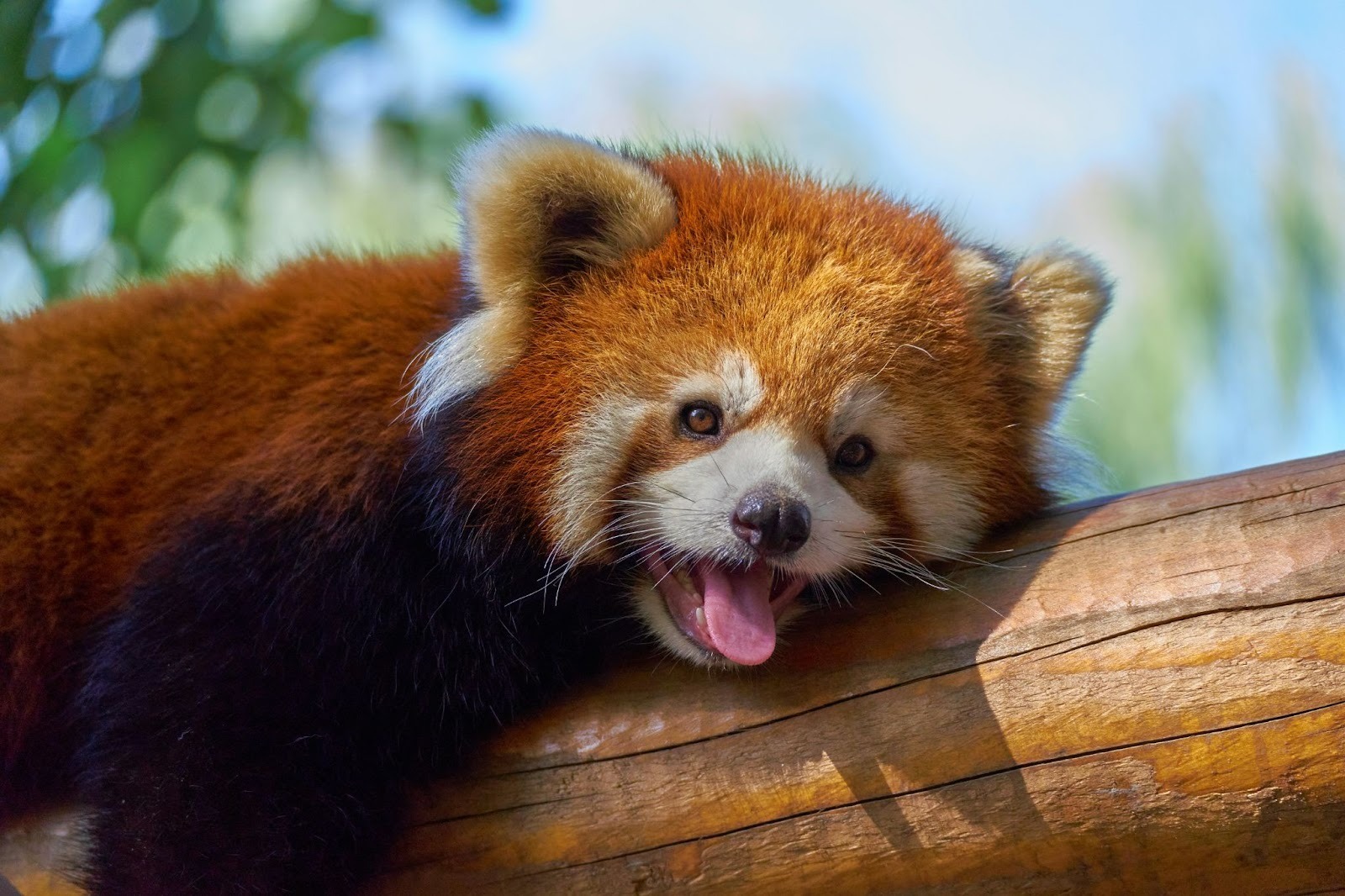
Red pandas represent Langtang’s most famous wildlife attraction. These small, fox-like creatures inhabit bamboo forests between 2,000 and 3,500 meters. Despite their cuteness in photographs, spotting wild red pandas requires dedication. They’re nocturnal and solitary, spending days sleeping in tree hollows.
Your best chance comes during early morning walks or late afternoon hours. Move quietly along forest trails, watching tree canopies and bamboo thickets. Red pandas blend seamlessly with branches and foliage—you might pass nearby without noticing. Many trekkers hike through perfect red panda habitat without seeing them.
Spring and autumn offer better chances than other seasons. Cooler weather brings animals out more during daylight hours. Late April through early May and September through October provide optimal conditions. During these periods, red pandas hunt more actively, increasing visibility.
Experienced guides dramatically improve your chances. Hiring a naturalist guide costs extra but transforms wildlife encounters from luck into likely experiences. These specialists know animal behavior, habitat preferences, and movement patterns. They’ve spotted red pandas dozens of times and understand when and where to search.
The experience of seeing a red panda in its natural habitat feels magical. Unlike zoo animals, wild red pandas display authentic behavior. You might watch one foraging for bamboo leaves or moving gracefully through branches. These moments remind you that trekking connects you to wild creatures in their homes.
Musk Deer and Conservation
Musk deer inhabit steep, forested slopes throughout Langtang. These small, shy creatures stand only 50 centimeters tall. Males possess elongated canine teeth—a distinctive feature that makes them instantly recognizable. Despite their diminutive size, musk deer can bound across rocky terrain with surprising agility.
These animals face serious poaching pressure. Musk glands produce a valuable scent used in perfumes, making deer attractive to illegal hunters. Langtang National Park protects remaining populations, but numbers remain dangerously low. When you spot a musk deer, you’re witnessing a conservation success story.
Seeing musk deer requires even more patience than red panda spotting. They’re incredibly alert and flee at the slightest disturbance. Walk slowly and silently through their preferred habitat: dense forests with rocky outcroppings. Early morning provides your best opportunity when deer feed actively.
The park implements strict anti-poaching measures. Rangers patrol regularly, protecting wildlife from illegal hunting. Tourism revenue supports these conservation efforts. By trekking in Langtang and paying park fees, you contribute directly to species protection.
Mountain Birds: A Birdwatcher’s Paradise
Langtang harbors over 380 bird species, making it extraordinary for ornithology enthusiasts. Altitude variation creates different ecological zones, each supporting distinct bird populations. Lowland forests host completely different species than high-altitude ridges.
The Himalayan Monal fascinates many trekkers. This pheasant displays iridescent plumage—blues, greens, and copper tones shimmer in sunlight. Males are relatively larger and more visible than females. Spring brings increased sightings during breeding season.
Blood Pheasants inhabit higher elevations, particularly around Kyanjin Gompa. Their red facial patches and mottled plumage provide excellent camouflage in rocky terrain. Patient observers spot them scratching ground for insects and seeds.
Migrant birds pass through during spring and autumn. Warblers, flycatchers, and thrushes move between lowlands and mountains. Binocular-equipped trekkers observe diverse species within a single day’s walk. Early starts reward you with peak bird activity before afternoon silence.
Bring a bird identification guide or download a birding app. Binoculars improve viewing quality considerably. Many teahouses employ guides knowledgeable about local birds. A few hours with an expert guide teaches you species identification and behavior patterns, enriching all subsequent sightings.
Seasonal Timing for Wildlife
Spring (March-May) brings increased wildlife activity. Animals emerge from winter torpor, actively feeding and establishing territories. Vegetation growth provides both food and cover. Migratory birds arrive, creating diverse opportunities for observation.
Autumn (September-November) presents excellent conditions. Animals prepare for winter by increasing feeding. Weather remains stable, allowing extended hiking. Fewer trekkers mean less disturbance to wildlife. Many experienced wildlife enthusiasts choose autumn specifically for superior animal encounters.
Summer and early autumn (June-August) bring monsoon rains that obscure views and make trails slippery. Animals retreat deeper into forests to avoid disturbance. Cloud cover reduces visibility significantly. Late autumn remains productive as animals transition toward winter.
Photography and Ethical Observation
Wildlife photography in Langtang requires patience and ethical consideration. Use telephoto lenses rather than approaching animals closely. Respect animal space and never force encounters for photos. The most meaningful wildlife experience involves observing without disturbing.
Guides enforce wildlife viewing ethics. Professional naturalist guides teach proper behavior around animals. They prevent overexcited tourists from chasing creatures or making excessive noise. Respect their guidance—it protects both animals and your experience.
Beyond the Major Species
Langtang’s wildlife extends beyond red pandas and musk deer. Himalayan black bears inhabit higher elevations, though sightings are extremely rare. Wild boars, small cats, and various rodent species populate the forest. Insects and small creatures often prove as fascinating as large mammals.
Observe vegetation carefully—it reveals animal presence. Scratched bark indicates bears rubbing antlers. Dung piles suggest recent animal passage. Bird droppings on rocks indicate roosting sites. Reading these signs connects you to wildlife even when animals remain unseen.
Contributing to Conservation
Your presence in Langtang supports wildlife protection. Park entrance fees fund ranger patrols and anti-poaching efforts. Employment provided to local guides and porters incentivizes community conservation participation. Tourism creates economic alternatives to hunting endangered species.
Responsible trekking means minimizing environmental impact. Stay on marked trails to prevent habitat damage. Don’t leave trash—especially plastics harm wildlife. Respect local conservation regulations. Educate other trekkers about wildlife protection.
The Complete Langtang Experience
Visiting Langtang Valley means engaging with complete ecosystems. Mountains alone create impressive landscapes, but wildlife transforms them into living, breathing worlds. The presence of rare animals like red pandas reminds you that these mountains matter beyond human enjoyment.
Spotting wildlife in Langtang connects you to conservation efforts and ecological systems. Whether you see red pandas, musk deer, or simply observe mountain birds, you participate in wild nature. These encounters change how you understand mountains and your place within them.