

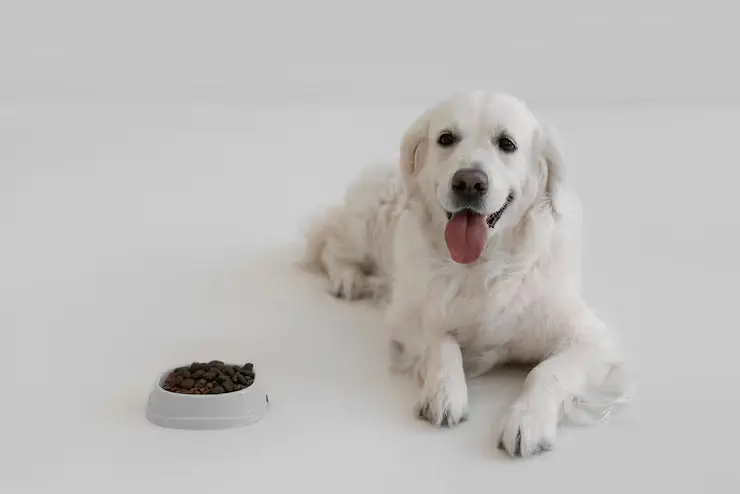
A growing body of research suggests that what happens in your dog’s digestive system affects far more than just their bathroom habits.
Pet wellness has come a long way from the days when dog owners just tossed kibble in a bowl and called it good. Today, a growing body of research points to something that might surprise you. Your dog’s gut plays a central role in their overall health, and it’s time we started paying attention.
The numbers are striking. According to Cornell University’s Richard P. Riney Canine Health Center, roughly 70% of a dog’s immune system lives in their gastrointestinal tract. That’s not a typo. Seven out of ten immune cells reside in your pup’s belly, which explains why issues like diarrhea in dogs can actually signal something bigger going on beneath the surface. When things go sideways in the gut, the ripple effects can show up as skin problems, behavioral changes, and even a weakened ability to fight off infections.
The Microbiome Moment Is Here
You’ve probably heard the term “microbiome” thrown around in health conversations, but here’s the thing. Dogs have their own complex ecosystem of bacteria, fungi, and other microorganisms living inside them. And scientists are only now starting to understand just how much these tiny organisms influence everything from mood to metabolism.
Recent research published in the Journal of Animal Science and Biotechnology found that a healthy canine gut typically contains diverse bacterial communities, including Firmicutes, Bacteroidetes, and Actinobacteria. These microbes aren’t just passengers along for the ride. They’re actively working to break down food, produce vitamins, and keep harmful pathogens from taking over.
When this balance gets thrown off, veterinarians call it dysbiosis. And emerging research suggests that dysbiosis may be associated with a range of health concerns in dogs, from chronic digestive issues to behavioral changes like anxiety and aggression.
What’s Actually Causing Gut Problems in Dogs?
The triggers are pretty varied, and honestly, some of them are things we do without even realizing they could cause issues.
Sudden diet changes are a big one. Dogs aren’t great at handling abrupt switches in their food. Their digestive systems need time to adjust, and when we swap foods overnight, we’re basically throwing their gut bacteria into chaos. That’s why vets always recommend transitioning to new foods gradually over a week or so.
Stress plays a huge role too. Moving to a new home, boarding, travel, and loud noises like fireworks or thunderstorms. All of these can trigger what’s called stress colitis, where the colon becomes inflamed and causes digestive upset. Dogs who live in shelters often experience chronic diarrhea for this exact reason.
Then there’s the medication factor. Antibiotics are necessary sometimes, but they’re kind of like dropping a bomb on your dog’s gut bacteria. They kill off the bad stuff, sure, but they also wipe out a lot of the good bacteria that keeps everything running smoothly. Long-term steroid use can have similar effects.
And let’s not forget dietary indiscretion. That’s the polite veterinary term for when your dog eats something they definitely shouldn’t have. Garbage, spoiled food, and random stuff they find on walks. Dogs are curious creatures, and their stomachs often pay the price.
The Gut-Brain Connection Is Real
Here’s where things get really interesting. Scientists have been exploring what’s called the gut-brain axis in dogs, and the findings are pretty fascinating.
A study published in Scientific Reports examined the relationship between gut bacteria composition and behavioral traits in companion dogs. The researchers found that machine learning models could actually predict whether a dog was in a higher or lower anxiety group based on their gut microbiome composition. While correlation doesn’t equal causation, these findings suggest the bacteria in your dog’s digestive system may play some role in their emotional state.
This connection works both ways too. When a dog experiences stress, it can alter their gut microbiome. And when the gut microbiome is out of balance, it can contribute to anxiety and behavioral issues. It’s a two-way street that researchers are still working to fully understand.
What Can Pet Owners Actually Do?
The good news is that supporting your dog’s gut health isn’t complicated. It mostly comes down to a few key strategies.
First up is diet. Quality matters here. Foods that are rich in fiber help feed the beneficial bacteria in your dog’s gut. Ingredients like pumpkin, flaxseed, and certain types of grass fiber can help bulk up stool and support healthy digestion. Some pet owners also add small amounts of fermented foods like plain yogurt or kefir, though you’ll want to check with your vet first to make sure it’s appropriate for your specific dog.
Probiotics and prebiotics have gained a lot of attention lately, and for good reason. The American Kennel Club notes that probiotics can be particularly helpful during times of stress or after antibiotic treatment. Prebiotics, which are essentially food for probiotics, work alongside these beneficial bacteria to maintain a healthy gut environment.
Companies focused on pet digestive health have started developing supplements that combine multiple approaches. Fiber, prebiotics, probiotics, and digestive enzymes work together to support the entire digestive process. The science-backed formulations aim to address gut health from multiple angles rather than just throwing a single ingredient at the problem.
Signs Your Dog’s Gut Might Need Some Help
Knowing what to look for can help you catch issues early. Some signs are obvious, like loose stool or vomiting. But others are more subtle.
Excessive gas and bloating can indicate digestive imbalance. Bad breath is sometimes associated with oral-gut microbiome issues, though the connection is still being studied. Coat and skin problems might seem unrelated, but gut health influences the immune system, which affects skin condition. Changes in appetite or energy levels can also be clues.
If you’re seeing bloody stool, severe vomiting, signs of dehydration, or symptoms lasting more than a day or two, that’s definitely vet visit territory.
The Bigger Picture
What’s happening in pet wellness right now mirrors what we’ve seen in human health over the past decade. There’s been a shift from treating symptoms to understanding root causes. And increasingly, those root causes trace back to gut health.
For dog owners, this means thinking about digestive health as foundational rather than something you only worry about when problems arise. Supporting your dog’s microbiome isn’t just about preventing upset stomachs. It’s about setting them up for better overall health, stronger immunity, and potentially even improved behavior and mood.
The research in this area is still evolving, and scientists continue to uncover new connections between the gut and various aspects of canine health. But the core message is already clear. What happens in your dog’s gut doesn’t stay in your dog’s gut. It affects their entire body, from their immune defenses to their mental state.
Taking a proactive approach to gut health might be one of the simplest and most effective things you can do for your four-legged family member. And honestly, any excuse to help our dogs live healthier and happier lives is one worth taking seriously.