

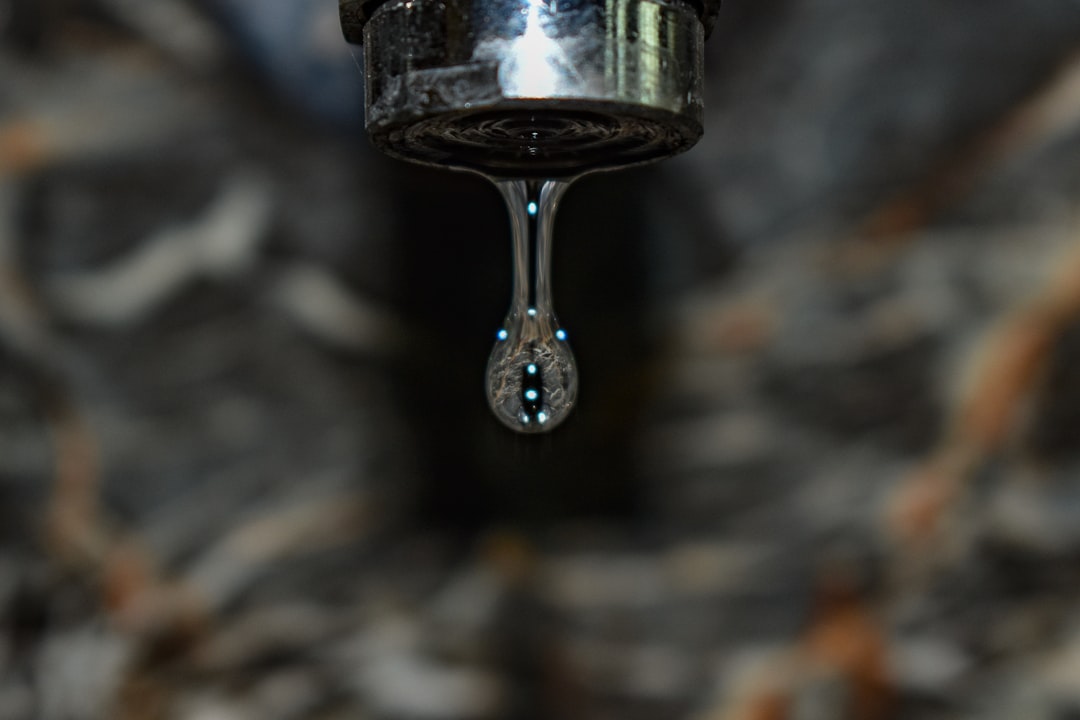
A sudden drop in water pressure can be frustrating, but it becomes even more confusing when no visible leaks are present. Faucets that once flowed freely may begin to trickle, showers lose force, and appliances take longer to fill. In many homes, this change happens gradually, making it difficult to pinpoint when the problem began. Because there is no obvious water damage or pooling, the cause often remains hidden behind walls or underground. Understanding why water pressure declines without clear signs of leakage helps homeowners recognize that the issue is usually internal and progressive rather than the result of a single dramatic failure.
What Happens Beneath the Surface
Why Pressure Changes Quietly
Water pressure often drops due to conditions inside the plumbing system that are not visible during daily use. Mineral buildup, aging pipes, and internal restrictions slowly reduce the amount of water that can pass through at one time. These changes do not cause leaks, which is why they go unnoticed for long periods. In many service calls related to our Bartlesville services, pressure complaints are traced back to internal pipe conditions rather than broken lines. Because the system still delivers water, the issue feels subtle at first, only becoming obvious once pressure loss affects multiple fixtures throughout the home.
Mineral Buildup Inside Pipes
One of the most common hidden causes of pressure loss is mineral accumulation inside plumbing lines. Over time, dissolved minerals in water settle along the inner walls of pipes, gradually narrowing the available space for flow. This process happens slowly, especially in areas with hard water, and rarely causes leaks. Instead, it reduces pressure by restricting volume. Older metal pipes are particularly vulnerable, as rough interior surfaces allow minerals to cling more easily. As buildup thickens, water encounters more resistance, resulting in weaker flow at faucets and fixtures. Because this process takes years, homeowners often adjust to the change without realizing the system is no longer performing as it once did.
Aging Pipes and Internal Corrosion
Pipes naturally change as they age, even if they remain intact. Internal corrosion can roughen pipe walls, create scaling, and reduce diameter without causing visible damage. This corrosion slows water movement and disrupts consistent pressure delivery. In galvanized or steel piping, corrosion can be especially problematic because flakes and rust form uneven surfaces that interfere with flow. Unlike leaks, which announce themselves through moisture or damage, corrosion works quietly. Over time, pressure drops become noticeable as multiple fixtures are affected. This gradual decline often leads homeowners to suspect municipal supply issues when the real cause lies within the home’s aging plumbing network.
Pressure Regulator Wear and Drift
Many homes rely on a pressure regulator to keep incoming water pressure at a safe and consistent level. These devices contain internal components that wear down over time. As seals and springs weaken, the regulator may begin to restrict pressure more than intended. This change does not cause leaks or visible damage, but it steadily reduces flow throughout the house. Because the regulator continues to function, it rarely draws attention until pressure becomes noticeably low. This type of issue can affect every fixture equally, making it feel like a general system problem rather than a localized one. Without inspection, the cause remains hidden despite the growing inconvenience.
Hidden Supply Line Restrictions
Water pressure can also drop due to restrictions in the main supply line entering the home. Tree roots, soil movement, or sediment intrusion can partially obstruct the line without causing a rupture. These conditions reduce the amount of water that reaches the house, especially during peak usage times. Because the restriction is outside or underground, there are no visible signs indoors. Pressure may fluctuate depending on demand, adding to the confusion. Over time, these restrictions worsen, making low pressure more consistent. This type of hidden issue is often mistaken for aging fixtures or appliance problems when the true cause lies beyond the walls.
Fixture and Valve Degradation
Even when pipes are in reasonable condition, pressure loss can originate from internal fixture components. Valves, cartridges, and shutoff mechanisms wear down with repeated use. As these parts degrade, they may no longer open fully, limiting water flow. This restriction does not cause leaks and often affects individual fixtures first before becoming widespread. In some cases, partially closed valves installed years earlier are forgotten and gradually seize into restricted positions. These small mechanical limitations add up, creating the impression of system-wide pressure loss even though the issue stems from internal fixture wear rather than broken plumbing.
Conclusion
Water pressure drops without visible leaks because many of the causes develop quietly inside the plumbing system. Mineral buildup, pipe aging, regulator wear, hidden supply restrictions, and internal fixture degradation all reduce flow without producing obvious warning signs. These changes happen gradually, allowing the system to continue operating while performance steadily declines. Understanding these hidden causes helps homeowners realize that low pressure is often a sign of internal resistance rather than a sudden failure. Addressing the issue early restores consistent water flow and prevents further strain on plumbing components over time.