

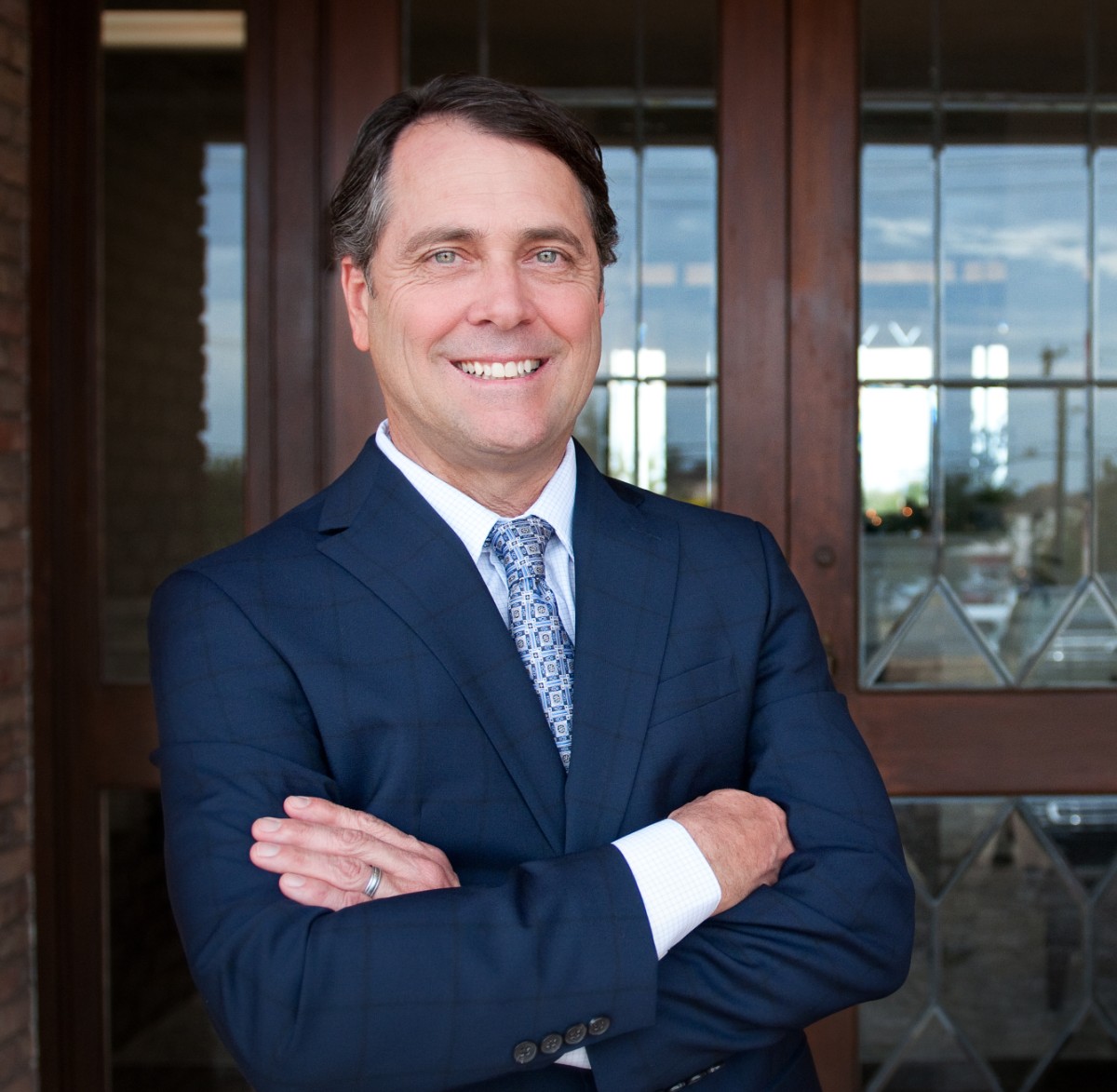
Facing a criminal charge in Texas is one of the most disorienting experiences a person can go through. The legal system moves fast, the stakes are high, and for most people, the rules of engagement are completely foreign. That’s the moment when the quality of your legal representation stops being an abstract concern and starts mattering in the most concrete way imaginable — your job, your family, your future.
The Law Office of Stephen Handy is a Fort Worth-based criminal defense practice serving clients throughout Tarrant County and across the state of Texas. What distinguishes this firm isn’t a wall of credentials or a large roster of associates — it’s a single attorney with a specific philosophy about what criminal defense work actually requires.
The Prosecutor Who Switched Sides
Stephen Handy’s path to criminal defense law is not a conventional one, and that background is worth understanding.
He began his legal career in 1996 as a misdemeanor prosecutor for the Tarrant County District Attorney’s Office, handling hundreds of DWI cases, theft cases, and drug-related charges. He was later promoted to a felony prosecutor position, where he handled hundreds of felony cases including sexual assaults, drug cases, aggravated robberies, and burglaries. He also served in many of the felony district courts in Tarrant County, as a Grand Jury prosecutor, and in County Criminal Court Number Five — a specialized court focused on domestic and family violence charges and protective order violations.
In 2000, he left the DA’s office and opened his own defense practice. That decision — and the four years of prosecutorial experience behind it — is the foundation of how he approaches every case he takes on. He knows how the other side builds its case, what evidence prosecutors rely on, where their arguments are most vulnerable, and how judges respond to different defense strategies. That institutional knowledge, earned from inside the system, doesn’t come from a textbook.
He holds a Juris Doctorate from Texas Wesleyan University School of Law (now Texas A&M University School of Law), earned in 1995, and was admitted to the Supreme Court of Texas in 1996.
What the Firm Actually Does
The Law Office of Stephen Handy handles the full spectrum of criminal defense in Texas, from misdemeanor charges that people too often underestimate to serious felony cases that carry life-altering consequences.
On the misdemeanor side, the firm regularly handles charges including DWI, assault, criminal mischief, criminal trespass, weapon offenses, marijuana possession, theft, violation of protective orders, and a range of other Class A and Class B charges. On the felony side, the practice covers aggravated assault, burglary, drug possession at various weight thresholds, sexual assault, weapons violations, intoxication assault, intoxication manslaughter, forgery, and theft cases across multiple value ranges.
Beyond criminal charges themselves, the firm also handles expunction and non-disclosure of criminal records — two processes that are often overlooked but critically important to long-term outcomes. For people who have completed their cases and are trying to rebuild, these legal tools can determine whether an arrest or conviction continues to follow them into job applications, housing searches, and professional licensing.
The firm also works with pre-trial diversion programs, including the Deferred Prosecution Program, the Veteran’s Court Diversion Program, the First Offender Drug Program, the First Responder Diversion Program, and the Mental Health Diversion Court. These programs, when applicable, can offer a path that avoids conviction entirely — but they require proper legal navigation to access and complete.
The DWI Piece Specifically
DWI defense deserves its own mention because the stakes and the timeline are both often misunderstood.
When a person is arrested for DWI in Texas, there is a 15-day window from the date of arrest to request an ALR (Administrative License Revocation) hearing — a civil proceeding conducted by the Texas Department of Public Safety to determine whether a driver’s license should be suspended. Missing that deadline forfeits the right to challenge the suspension entirely.
This is the kind of procedural detail that gets people in trouble before they’ve even had a chance to think clearly about their situation. DWI cases also involve scientific evidence — breathalyzer data, blood test results, field sobriety assessments — and challenging that evidence requires specific training.
Handy has completed specialized coursework including the DWI Top Gun Advocacy Course, an Intoxication Manslaughter Course, and training specifically focused on mastering scientific evidence in DWI cases. That’s not incidental — it reflects a firm that treats DWI defense as a technical discipline, not just a procedural formality.
How the Practice Is Structured
Handy operates as a sole practitioner, and his practice model is built around personal attention and knowing each client individually. Unlike large law firms, a client’s case and their calls are not passed along to associates or office personnel unfamiliar with their situation. He makes himself available by cell phone and makes every effort to return missed calls the same day they are received.
This isn’t just a service differentiator. In criminal defense, the details of a person’s life — their employment, their family situation, their history — directly affect defense strategy, sentencing arguments, and diversion eligibility. An attorney who doesn’t know their client can’t advocate for them effectively.
Geographic Reach
While the majority of the firm’s caseload involves clients in Tarrant, Dallas, and surrounding counties, Handy has represented clients in counties throughout the state — from Texarkana to Corpus Christi and as far west as Lubbock — and is willing to travel wherever a case takes him. The firm maintains two office locations: one in Fort Worth and one in Hurst.
The Purpose Behind the Practice
Handy is transparent about his motivations. Family and faith are, by his own account, the two most important things in his life. He acknowledges that people sometimes question how a person of Christian faith can work in criminal defense, and his answer is direct: he does not condone wrong behavior, but he recognizes that he is not free from imperfection himself. He has been helped by people who fought for him when he needed it. His goal is to give his clients that same thing — a second chance and a fresh start.
That’s not a marketing line. It’s a statement about orientation. Defense attorneys who take this work personally tend to fight harder for outcomes, communicate more honestly with clients about risks, and engage more seriously with the full humanity of the people they represent.
Professional Recognition and Memberships
Handy is a member of the Texas Criminal Defense Lawyers Association, the Tarrant County Criminal Defense Lawyers Association, the Tarrant County Bar Association, the State Bar of Texas, and the National College of DUI Defense. He has been recognized by Fort Worth Magazine as a Top Attorney and by The National Trial Lawyers as one of the Top 100 Trial Lawyers.
Criminal charges in Texas carry consequences that extend far beyond the courthouse — into employment, immigration status, gun rights, professional licensing, and family stability. The Law Office of Stephen Handy exists to make sure that people facing those charges have someone in their corner who understands the system from the inside out, takes their case personally, and has the experience to make a genuine difference.


