

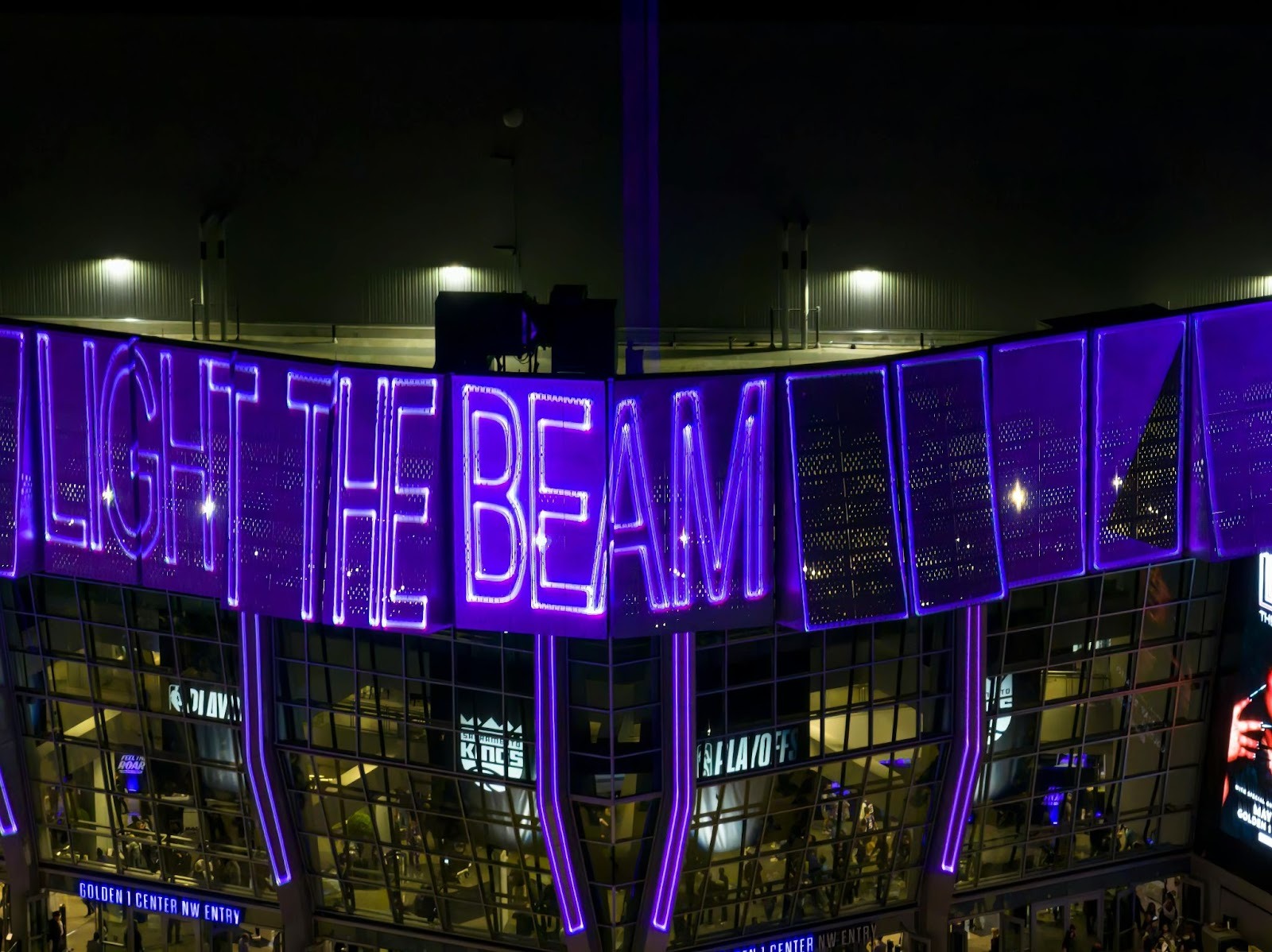
Understanding what determines the video wall price is essential for businesses looking to invest in high-quality visual solutions. LED video walls are not one-size-fits-all products, and their cost can vary significantly depending on several technical and practical factors. Knowing what drives these price differences helps you make smarter decisions and avoid overpaying for features you may not need.
Pixel Pitch and Image Quality
One of the most important factors affecting cost is pixel pitch, which refers to the distance between individual LED pixels. This measurement directly impacts image clarity and resolution.
Why Smaller Pixel Pitch Costs More
Displays with a smaller pixel pitch offer higher resolution and sharper visuals, especially at close viewing distances. These are commonly used in indoor environments like retail stores, corporate lobbies, or control rooms where detail matters.
However, the technology required to pack more LEDs into a smaller space increases manufacturing complexity, which raises the overall cost. Larger pixel pitch options are more affordable and suitable for outdoor or large-scale installations where viewers are farther away.
Screen Size and Configuration
The total size of the video wall plays a major role in pricing. Larger displays require more LED panels, additional structural support, and more complex installation processes.
Modular Design Impact
LED video walls are built using modular panels, allowing for flexible configurations. While this is a major advantage, it also means that costs scale with the number of panels used. Custom shapes, curved installations, or unique layouts can further increase the price due to additional engineering and setup requirements.
Brightness and Performance Requirements
Brightness levels, measured in nits, are another key factor. The higher the brightness, the more powerful the LEDs need to be.
Indoor vs. Outdoor Brightness
Indoor screens typically require lower brightness levels, which makes them more cost-effective. Outdoor displays, on the other hand, must remain visible in direct sunlight, requiring much higher brightness and more durable components. This significantly increases both the initial investment and energy consumption.
Build Quality and Durability
Not all LED video walls are built the same. Higher-quality materials and components contribute to better performance and longer lifespan.
Weather Resistance and Protection
For outdoor installations, screens must be resistant to water, dust, and extreme temperatures. This requires specialized enclosures and protective coatings, which add to the cost.
Even for indoor displays, premium components can improve color consistency, reduce maintenance needs, and ensure stable performance over time.
Control Systems and Technology
Behind every LED video wall is a control system that manages content and display performance. The sophistication of this system can also influence pricing.
Advanced Processing Features
High-end controllers offer better image processing, seamless scaling, and support for multiple input sources. These features are especially important for businesses that rely on dynamic or high-resolution content.
More advanced systems tend to increase the total investment but provide a smoother and more professional visual experience.
Installation and Maintenance Costs
The cost of the screen itself is only part of the total investment. Installation and long-term maintenance should also be considered.
Installation Complexity
Factors like mounting structure, location, and accessibility can impact installation costs. Large or custom installations may require specialized labor and equipment.
Maintenance Accessibility
Some LED panels offer front-access maintenance, which simplifies repairs and reduces downtime. While these systems may have a higher upfront cost, they can lower operational expenses over time.
Brand, Warranty, and Support
Finally, the manufacturer and level of support included can influence pricing.
Established brands often charge more due to their reputation, quality control, and customer service. Extended warranties and technical support also add value, ensuring that your investment is protected and that any issues can be resolved quickly.
Understanding these factors allows businesses to evaluate options more effectively and choose a solution that aligns with their specific needs, environment, and long-term goals.