

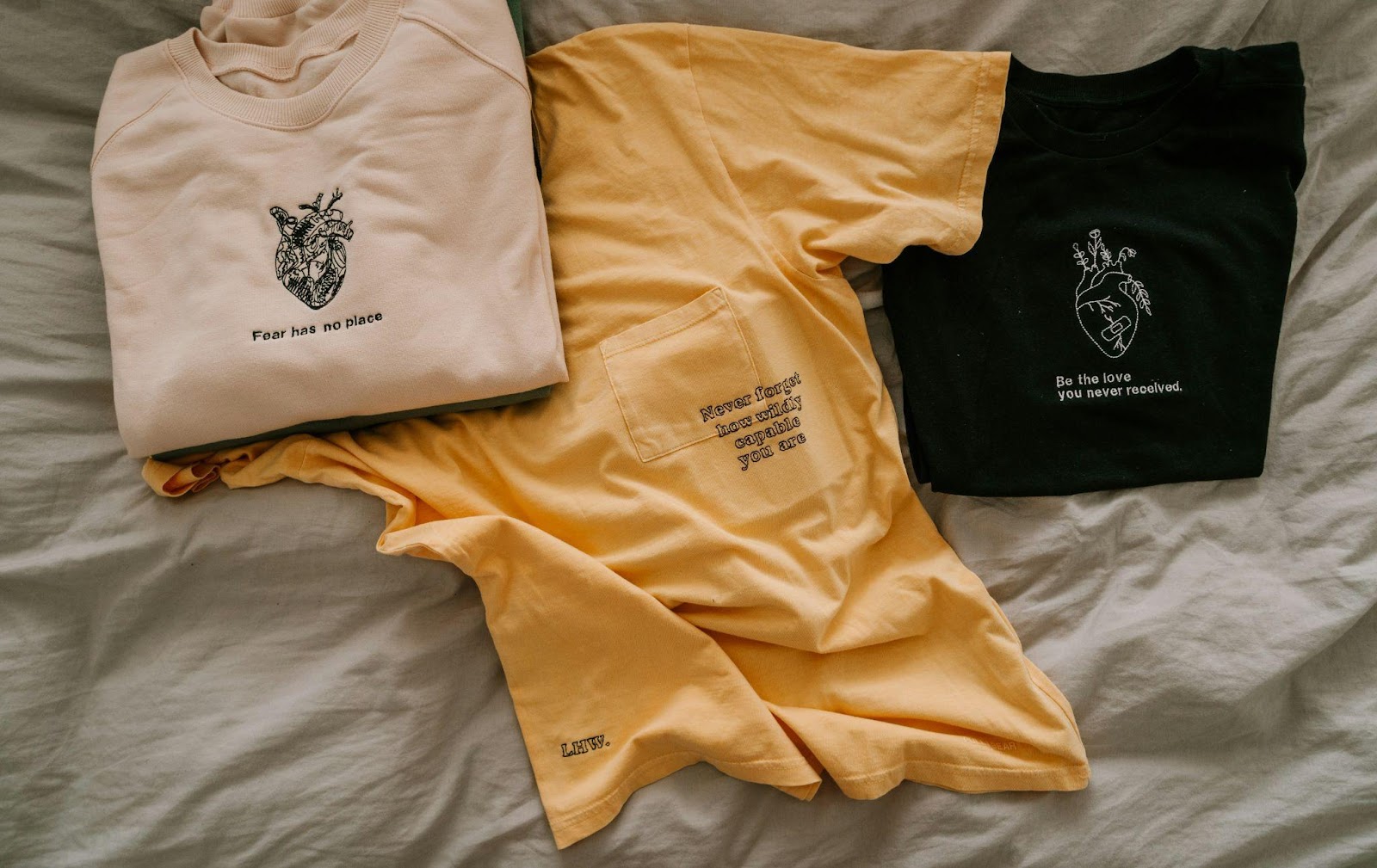
- Print continues to play a decisive role in design, offering physical experiences that digital media cannot replicate.
- New printing technologies are giving designers more creative flexibility across fashion, packaging, and product design.
- Sustainability is reshaping the print landscape, pushing designers to consider eco-conscious methods and materials.
- Staying future-ready means learning new techniques, collaborating with innovative printers, and treating print as a core creative medium.
You’ve probably noticed that everything in design feels like it’s moving at warp speed. New tools, more innovative software, and endless digital canvases have changed how creatives work. However, even in this tech-charged world, there is one medium that continues to evolve in surprisingly innovative ways—print.
Printing isn’t the static, old-school process it once was. It’s becoming one of the most exciting spaces for designers who want to push boundaries and explore new creative frontiers. Whether you’re designing for textiles, packaging, or physical media, what’s happening in print tech right now could soon shift how you work.
What should you know about this shift? And how can you stay on top of it? Let’s dive in.
Why Printing Still Matters in a Digital World
It’s easy to assume that physical printing is becoming obsolete, especially with the rise of digital-first design. However, for many designers, the print medium still holds unmatched value, particularly when it comes to creating a real-world impact.
There’s a tactile magic to print that digital screens just can’t replicate. A well-printed brochure, a limited-run art book, or a thoughtfully designed t-shirt creates a sensory connection that resonates more deeply with people. That tangible quality gives printed designs a kind of permanence that elevates your work from a temporary visual to a lasting impression.
Plus, print is no longer confined to basic paper. Designers are pushing boundaries with custom-printed packaging, fabrics, murals, and even interactive media that incorporate QR codes or augmented reality (AR) technology. These aren’t just prints—they’re experiences.
When you factor in how brands crave physical moments in an otherwise digital world, it becomes clear that designers who understand how to leverage print will stand out. Whether in fashion, branding, or marketing, print adds depth, texture, and emotion to designs that digital can’t always deliver.
Emerging Technologies Changing the Print Landscape
If you’ve been keeping an eye on the latest tech in the design world, you know printing has gotten a serious upgrade. From 3D printing, which allows you to prototype physical objects, to UV printing, which adds dimension with layered inks, the game has changed.
One standout development that is making waves, especially in the apparel and textiles sectors, is direct-to-film printing. For designers based down under, DTF printing Australia is opening doors to a new level of customization and efficiency. Instead of being limited by traditional screen printing or heat transfer methods, this approach enables vibrant, full-color designs with finer details and increased durability.
What makes these newer methods so exciting isn’t just the tech—it’s what the tech allows you to do. Imagine printing complex gradients, subtle textures, or detailed illustrations without sacrificing production speed or material versatility. That’s the kind of flexibility today’s designers crave, especially when working with clients who want something truly unique.
And it’s not just about textiles. These advances are branching out into everything from product packaging to promotional items, expanding what’s possible and allowing creatives to work more fluidly across disciplines. As a designer, keeping up with these developments isn’t just useful—it’s crucial if you want your work to stay relevant and competitive.
Sustainability and the New Demands on Print
Clients today care about more than aesthetics. They want to know where materials come from, how waste is managed, and whether the production methods align with their values. This shift toward sustainability has spotlighted the environmental impact of printing, and designers are now part of that conversation.
Luckily, the printing world is responding. Sustainable print solutions have gone from niche to necessary, with new eco-friendly practices becoming industry standards. Think biodegradable films, soy-based inks, and waterless digital printers that drastically reduce waste. Even some DTF processes are now adapting to lower-impact methods, helping designers deliver high-quality results without compromising on their eco goals.
As a designer, this means your job isn’t just to create something visually compelling—it’s also to understand how that creation comes to life physically. Are you choosing materials that can be recycled? Are you aware of the carbon footprint associated with large-scale print production? These are questions clients will start asking more often, and being prepared to answer them makes you a more valuable creative partner.
Sustainability also offers creative constraints, which—let’s be honest—can fuel innovation. Designing for fewer colors, using less material, or working within biodegradable limits can prompt you to find more innovative and elegant solutions. In this future-forward era of printing, “less” really can be more.
How Designers Can Future-Proof Their Print Skills
Let’s face it: staying current with new technology can feel overwhelming, especially when there’s always another plugin, printer, or platform around the corner. However, the designers who thrive are those who continually learn, remain curious, and are not afraid to experiment.
To future-proof your print skills, it begins with a mindset shift. Don’t treat print as an afterthought—treat it as a creative extension of your design process. Start exploring new printing techniques not just from a technical angle, but from a creative one. What can you do with textures? What new substrates could you use to surprise your audience? How can you merge print with digital?
Collaboration is another underrated key. Building relationships with progressive printers—those who specialize in new formats or offer sustainable services—can make all the difference. They’ll often help you prototype ideas, experiment with formats, or learn about cutting-edge techniques before they become mainstream.
Finally, don’t underestimate the power of community and learning. Join forums, attend print design expos, and follow print-focused creators who are doing interesting things. The more you expose yourself to what’s possible, the more tools you’ll have in your creative toolkit.
In short: evolve with the tech, partner with the right people, and stay sharp. The future of printing is already here—you just have to reach for it.
Conclusion
Print is far from a fading relic of the past. It’s a vibrant, evolving medium that’s becoming even more relevant in a hyper-digital world. For designers, this is a chance to stretch their creative muscles in new directions, blending traditional craftsmanship with next-generation technology.
Whether it’s about tapping into emerging print methods, designing with sustainability in mind, or staying sharp with the latest tools, embracing print’s evolution will only make your work more impactful. Instead of thinking of printing as “old media,” consider it a dynamic playground for innovation. The future of design isn’t just digital—it’s tangible, textured, and full of possibilities.