

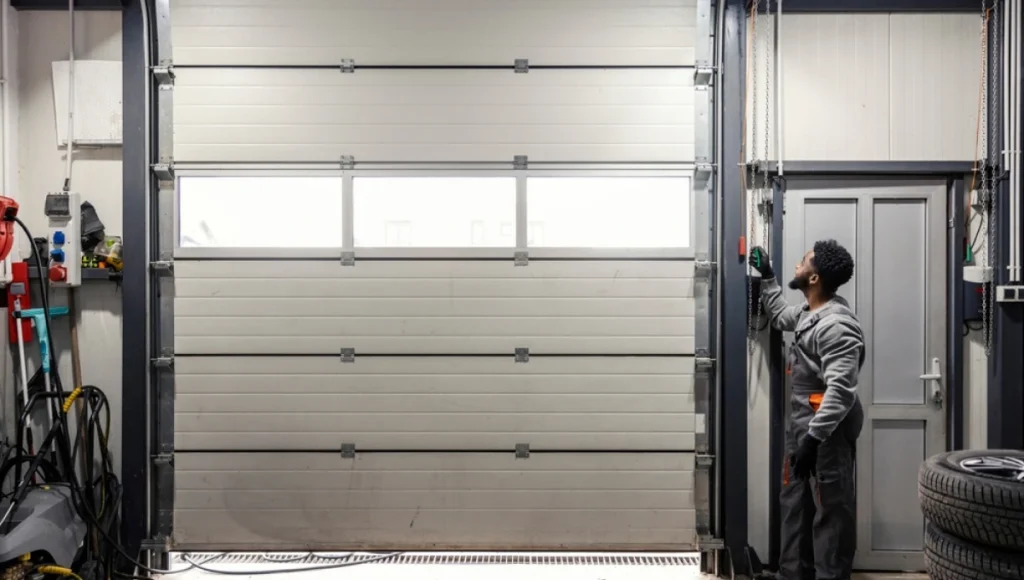
A garage door that once moved smoothly can gradually begin to open more slowly, often without a clear moment when the change occurred. Many homeowners notice the issue only after it becomes inconvenient or concerning. Slow movement is rarely caused by a single failure; instead, it develops as different components age, shift, or lose efficiency. Environmental exposure, daily use, and minor alignment changes all play a role in altering how the system performs. Understanding why this slowdown happens helps homeowners recognize early warning signs and avoid unnecessary strain on the door system before more serious problems develop.
Understanding the Gradual Slowdown
Why Performance Changes Over Time
Garage doors are made up of interconnected mechanical and electrical parts that rely on balance and timing. Over time, even small changes in one area can affect overall movement speed. Friction increases, resistance builds, and the opener has to work harder to complete each cycle. These changes rarely happen suddenly, which is why the slowdown often feels gradual. As components wear at different rates, the system compensates until it can no longer maintain the same pace. This section explains why slow operation is usually a symptom of cumulative wear rather than a single broken part.
Wear in Springs and Counterbalance Systems
Torsion and extension springs play a major role in lifting the weight of a garage door. As these springs age, they lose tension and elasticity, making it harder for the door to rise smoothly. The opener then compensates by applying more force, which slows movement to maintain control. Springs are designed for a limited number of cycles, and daily use steadily brings them closer to that limit. When spring tension becomes uneven, the door may hesitate or lift unevenly. Many service providers, including Everdoor Garage Door, often find that slow-opening complaints trace back to aging springs that still function but no longer provide proper balance. This gradual loss of support forces the opener to work under increased load, reducing speed over time.
Track Alignment and Roller Condition
The tracks and rollers guide the door as it moves, and their condition directly affects how smoothly the door operates. Dust, debris, and minor impacts can cause tracks to shift slightly out of alignment. Even small deviations increase friction, which slows the door as it travels upward. Rollers also wear down with use, especially if lubrication is inconsistent or if they are exposed to moisture. As rollers flatten or stiffen, they no longer glide easily along the track. The opener senses this added resistance and adjusts movement speed to prevent strain. Over time, these small mechanical changes combine to noticeably slow the door without causing an obvious failure.
Opener Motor Strain and Aging Components
Garage door openers are designed to operate within specific load limits. As the door system becomes heavier due to spring fatigue or increased friction, the motor experiences added strain. Modern openers often respond by reducing speed to maintain controlled operation. Internal components such as gears, belts, or chains also wear over time, contributing to less efficient power transfer. Electrical parts can degrade as well, affecting how quickly the motor responds. While the opener may still function reliably, its performance gradually declines. This aging process is subtle, which is why homeowners often attribute slow movement to normal behavior rather than an underlying mechanical issue.
Environmental and Seasonal Influences
Temperature and humidity changes can also contribute to slower garage door operation. Cold weather causes metal components to contract and lubricants to thicken, increasing resistance along tracks and moving parts. In warmer climates, heat can affect spring tension and cause materials to expand slightly, altering balance. Moisture introduces rust and corrosion, especially in areas where the door system is exposed to rain or humidity. These environmental factors do not usually stop the door from working, but they gradually reduce efficiency. Over time, repeated exposure amplifies wear and makes slow operation more noticeable, particularly during seasonal transitions.
Conclusion
A garage door that opens slowly is usually responding to accumulated changes rather than a single malfunction. Aging springs, increased friction in tracks and rollers, motor strain, and environmental exposure all contribute to reduced speed over time. Because these factors develop gradually, the slowdown often goes unnoticed until performance is clearly affected. Recognizing the causes behind this change helps homeowners understand that slow operation is a sign of wear that deserves attention. Addressing these issues early can restore smoother movement and reduce stress on the entire system, helping the garage door continue to operate reliably for years to come.