

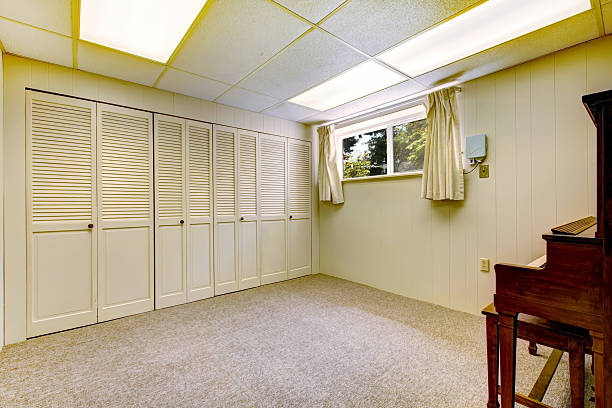
Your basement holds more than storage boxes and laundry machines. It holds untapped square footage that can dramatically expand your home’s function and value. Whether you want a cozy guest suite, a quiet office, a home gym, or a playroom for the kids, finishing your basement is a smart move. But creating a comfortable, livable lower level takes more than just drywall and carpet. It requires planning for safety, access, comfort, and purpose. With the right upgrades, you can transform your basement into one of the most loved and used spaces in your home.
Start with Moisture Control and Insulation
Before turning your basement into anything livable, you need to address the basics: moisture and temperature. Basements are prone to dampness, so invest in a high-quality sump pump, vapor barrier, and proper drainage system. Add insulation to walls and floors to regulate temperature and prevent mold. Consider using materials like vinyl flooring or tile that can handle humidity better than traditional carpet. A well-insulated, dry basement lays the groundwork for everything else that follows, from comfort to resale value, and avoids costly damage down the road.
Make Natural and Artificial Lighting a Priority
Basements are often dark and uninviting, so creating a bright, welcoming atmosphere should be a top priority. If your basement has windows, make the most of them with light-colored treatments and reflective surfaces. Add recessed lighting, sconces, and floor lamps in strategic spots to eliminate dark corners. For larger projects, consider adding egress windows or sun tunnels to bring in more daylight. Brightness affects mood and functionality, so investing in high-quality lighting will make the space feel less like a basement and more like a true extension of your living area.
Consider How You’ll Access the Space
When planning for regular use of your basement, think about how people will move in and out of the space comfortably. While stairs may be fine for many people, they can pose a challenge for children, aging family members, or guests with mobility issues. Some homeowners choose to install home elevators as a long-term solution, especially in houses where the basement serves as a guest suite or home office. It’s not just a convenience; it can improve accessibility, add resale appeal, and support aging-in-place strategies in a multi-level home.
Maximize Function Through Smart Zoning
A finished basement doesn’t have to serve just one purpose. With thoughtful design, you can divide the space into distinct zones that cater to different needs. For example, an open-plan layout might include a workout area, a media zone, and a reading nook. Use furniture placement, rugs, or partial walls to subtly define each area. If privacy is a priority, build separate rooms for a guest bedroom or office. Planning zones from the start ensures that your basement supports real life, not just square footage, and grows with your family’s changing needs.
Add Comfort with Finishing Touches
Once the structure, lighting, and access are in place, it’s time to make your basement feel like home. Soft textiles, warm color palettes, and layered lighting can go a long way in making the space cozy and livable. Add wall art, shelving, or a statement piece of furniture to give it personality. Don’t forget practical comforts like an area rug to warm up flooring or a sound machine to buffer household noise. These finishing touches make the difference between a basement that looks nice and one that feels genuinely lived in.