

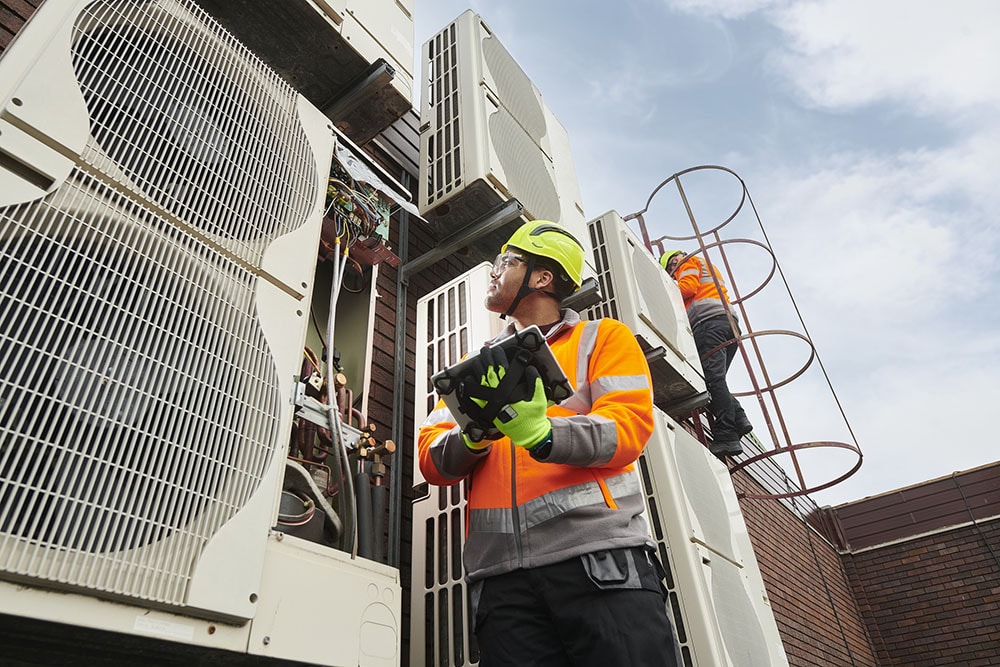
Living by the coast comes with undeniable perks—fresh sea breezes, scenic views, and mild temperatures—but these benefits also bring unique challenges for home comfort systems. Heating and cooling units located in coastal environments face conditions that differ drastically from those in inland areas. The constant presence of salt-laden air, high humidity, and fluctuating temperatures can reduce efficiency and shorten the lifespan of HVAC equipment. Homeowners near the ocean often notice that their systems require more attention and maintenance to operate efficiently. Understanding how the coastal climate influences these systems helps protect comfort and investment year-round.
We Will Explore How Salt Air Affects System Components
Salt air is one of the most significant factors influencing the condition of heating and cooling equipment near coastal regions. We will explore how salt particles carried by ocean breezes accelerate corrosion in metal components. The microscopic salt crystals settle on condenser coils, fans, and outdoor units, where they attract moisture and accelerate rust formation. Over time, this corrosion weakens the protective coatings and reduces heat-transfer efficiency. The outdoor units, constantly exposed to this salty environment, often show early signs of wear such as discoloration, pitting, and noise from rusted moving parts. Even copper coils, known for their durability, can deteriorate more quickly when exposed to salt and moisture. Homeowners in coastal areas often find that preventive maintenance—such as washing coils and applying protective coatings—becomes essential rather than optional. Without such care, systems can lose performance years earlier than expected, driving up repair and replacement costs.
We Will Explore How Humidity Influences Energy Efficiency
Coastal regions often experience consistently high humidity, which places additional strain on HVAC systems. We will explore how this constant moisture affects both energy use and indoor comfort. When humidity levels rise, air conditioners must work harder to remove moisture while cooling the air, increasing energy consumption. The added load on compressors and coils leads to faster wear and higher utility bills. Excess humidity also promotes mold growth and condensation within ducts, which can degrade indoor air quality. The combination of salt air and moisture can further degrade internal components, reducing airflow and cooling capacity. Regular cleaning and inspections are key to ensuring systems remain efficient. For those seeking reliable solutions, heating and air conditioning repair Vero Beach services are often crucial in coastal areas where both humidity and salt exposure create ongoing challenges. Effective dehumidification strategies and timely repairs help ensure comfort without overburdening the system.
We Will Explore How Temperature Swings Affect System Performance
While coastal areas may enjoy milder temperatures overall, sudden shifts between warm and cool conditions can affect system performance. We will explore how these fluctuations influence both mechanical components and energy use. Rapid temperature changes cause metal parts to expand and contract, leading to stress on connections, seals, and joints. This thermal cycling can eventually result in leaks, refrigerant loss, or system inefficiency. Furthermore, mild coastal nights followed by hot days often lead to frequent system cycling—turning on and off more than usual—which increases wear on motors and compressors. These constant start-stop cycles reduce energy efficiency and shorten equipment lifespan. The challenge lies in balancing comfort while avoiding excessive operation. Programmable thermostats and energy-efficient settings can help minimize unnecessary strain. Maintaining steady operation through regular tune-ups also prevents damage caused by fluctuating environmental conditions. Over time, managing these cycles ensures both consistent comfort and extended system durability.
We Will Explore How Coastal Winds Impact Outdoor Equipment
The strong winds common along coastal areas have more than aesthetic effects—they directly affect HVAC performance. We will explore how wind-driven sand, debris, and saltwater mist impact outdoor equipment. Powerful gusts carry fine particles that settle inside units, blocking coils and reducing airflow. This buildup forces the system to work harder to maintain its temperature, leading to higher energy consumption and potential overheating. Wind-blown debris can also damage fan blades, bend fins, or clog filters. In extreme cases, high winds combined with saltwater spray can create a sticky residue that’s difficult to remove, trapping additional moisture inside the unit. Positioning outdoor condensers in protected areas or installing wind barriers can help mitigate these issues. Additionally, frequent rinsing with fresh water helps reduce salt accumulation. By maintaining airflow and cleanliness, homeowners preserve the mechanical integrity of their systems and prevent the hidden damage that coastal winds often cause over time.
We Will Explore How Preventive Maintenance Preserves Longevity
Regular maintenance is essential for HVAC systems exposed to coastal conditions. We will explore how routine care can significantly extend system lifespan and improve reliability. Maintenance tasks such as coil cleaning, lubrication, and corrosion protection prevent minor issues from escalating into major repairs. Technicians often apply anti-corrosion coatings to outdoor components and inspect electrical connections that are susceptible to moisture. Indoor maintenance is equally vital—filters need frequent replacement, and drain lines must be checked for clogs caused by condensation buildup. Coastal homeowners should consider shorter maintenance intervals, especially during humid or storm-prone months. Preventive action reduces the risk of unexpected breakdowns and energy waste. Even small efforts, such as rinsing outdoor units and ensuring proper drainage, contribute to long-term efficiency. With consistent maintenance, HVAC systems remain resilient in harsh coastal conditions, delivering dependable comfort and temperature control for years while minimizing costly repairs or downtime.
We Will Explore How Storms and Salt Combine to Create Challenges
Coastal storms create some of the toughest conditions for heating and cooling equipment. We will explore how the combination of heavy rain, salt spray, and wind amplifies system strain. Storm surges can flood outdoor units, damaging electrical components and refrigerant lines. Even without direct flooding, salt spray carried by wind during storms coats metal surfaces and wiring, accelerating corrosion. Once the storm subsides, lingering moisture continues to degrade system parts. After severe weather, inspection is crucial to identify early signs of damage before they worsen. Simple steps like drying components and cleaning debris can prevent lasting harm. Many homeowners invest in raised platforms or weatherproof covers for outdoor units to safeguard against repeated exposure. Coastal climates demand both awareness and preparation, as storms are not just occasional events—they’re an ongoing environmental factor. Consistent preventive measures are key to ensuring reliable system performance under coastal extremes.
We Will Explore How Proper Installation Makes a Difference
In coastal environments, installation quality can determine how well a system withstands long-term exposure. We will explore how strategic installation protects heating and cooling units from premature failure. Technicians often recommend corrosion-resistant materials and specific placement strategies to minimize exposure to salt and moisture. Proper spacing from exterior walls improves airflow and reduces the risk of trapped moisture. In addition, sealed ductwork and insulation help prevent energy loss caused by fluctuating outdoor temperatures. When systems are installed with attention to environmental factors, they require fewer repairs and maintain efficiency for longer periods. Poorly installed units, on the other hand, deteriorate quickly under coastal stressors. Investing in a proper setup ensures not only better performance but also reduced maintenance costs over time. By combining durable materials with thoughtful positioning, homeowners can significantly increase their system’s ability to endure the unique demands of coastal living.
Coastal weather brings beauty, but it also introduces challenges that demand greater care for heating and cooling systems. Salt air, humidity, and fluctuating temperatures each contribute to the accelerated degradation of essential components compared with inland regions. Consistent cleaning, preventive maintenance, and proper installation practices ensure that systems remain efficient and reliable. By understanding how coastal conditions affect performance, homeowners can take proactive steps to protect their investment and maintain comfort year-round. The ocean breeze may be refreshing, but only through mindful upkeep can coastal living remain both comfortable and energy-efficient for years to come.


