

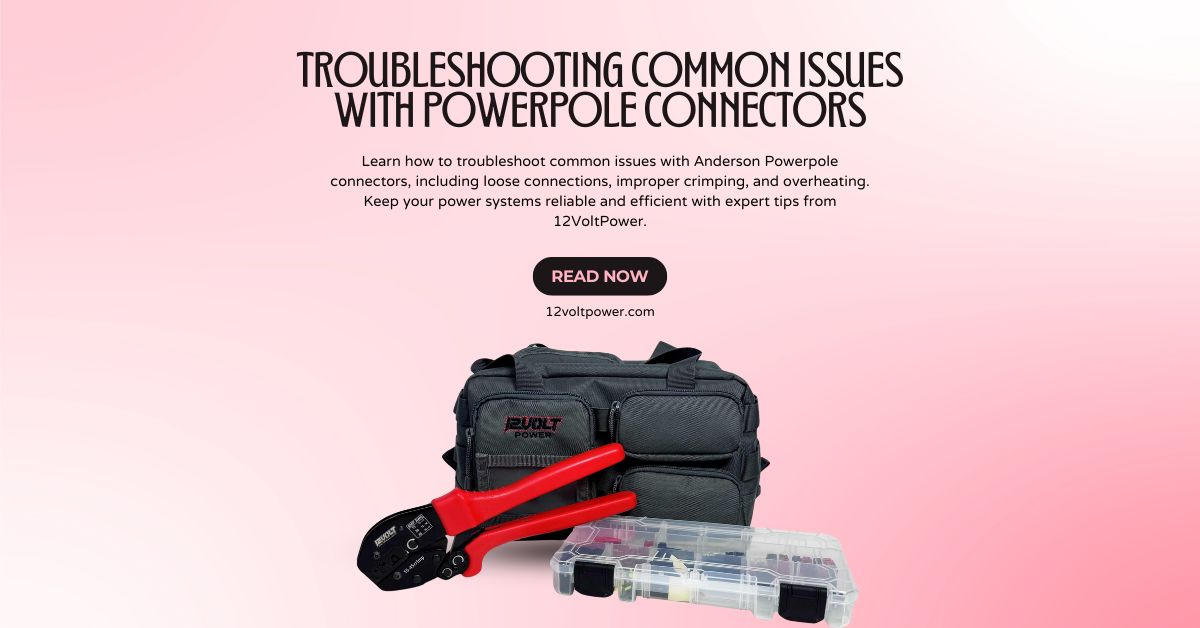
Powerpole connectors are known for their reliability, efficiency, and ease of use, making them an industry standard for various applications, from emergency vehicles to solar power systems and mobile radios. However, like any electrical component, they can encounter issues if not handled correctly. In this blog, we will cover common problems associated with Anderson Powerpole connectors and how to troubleshoot and resolve them to ensure your systems remain operational and safe.
1. Loose Connections: A Common Issue with Powerpole Connectors
Loose connections are one of the most common issues with Powerpole connectors, especially if the connectors are not properly seated or crimped. This can lead to power loss, intermittent connections, or even overheating due to high resistance in the circuit.
What Causes Loose Connections?
- Improper Crimping: If the connector isn’t crimped tightly enough, the contact pin won’t make secure contact with the wire, leading to a loose connection.
- Dirty or Corroded Contacts: Dust, dirt, or corrosion on the connectors can prevent a proper connection, leading to a loose or unreliable fit.
How to Fix Loose Connections
- Check the Crimping: Use the correct crimp tool, such as the Anderson Power 111038G2 Insertion/Removal Tool, to ensure a tight, secure connection. Recrimp any loose connections if needed.
- Clean the Contacts: If there is dirt or corrosion, clean the contacts using a soft, dry cloth. If corrosion is severe, replace the connector.
- Re-seat the Connectors: Make sure the Powerpole connectors are fully seated in the housing, with the locking mechanism engaged.
2. Improper Crimping: How to Avoid Power Loss and Overheating
One of the biggest issues when using Powerpole connectors is improper crimping. If the crimp is too loose, it can cause high resistance, leading to voltage drops, power loss, or even overheating in the system. Conversely, crimping too tightly can damage the connector or the wire.
What Causes Improper Crimping?
- Incorrect Crimp Tool: Using the wrong tool for the job can result in poor-quality crimps.
- Incorrect Crimp Size: Choosing the wrong size crimp connector for the wire gauge can also lead to an improper crimp.
How to Fix Improper Crimping
- Use the Right Tools: Always use Anderson Powerpole ratcheting crimp tools like the 15-45Crimp Powerpole Ratcheting Crimp Tool to ensure consistent pressure and secure crimps every time.
- Choose the Correct Size: Select the correct Powerpole connectors for the wire gauge you’re working with. For instance, Anderson Powerpole connectors for #10 – #12 AWG wire are perfect for high-current applications.
- Test the Crimp: After crimping, give the wire a gentle pull to make sure it’s secure. If it’s not tight, repeat the crimping process with the correct pressure.
3. Connection Failure Due to Incorrect Sizing
Incorrect sizing of the Powerpole connectors can lead to poor connections and system failures, especially in high-current systems.
What Causes Incorrect Sizing?
- Mismatched Wire and Connector Sizes: If the wire gauge is too small or too large for the connector, it won’t form a proper connection.
- Use in High-Current Applications: For high-power applications, using under-rated connectors can cause overheating or malfunctioning.
How to Fix Incorrect Sizing
- Match Connector and Wire Size: Ensure that the Powerpole connectors match the wire gauge you are working with. For example, if you are working with heavy-duty welding cables (like 2/0 AWG or 4/0 AWG), use Powerpole connectors rated for high currents.
- Use the Correct Series: Anderson Powerpole connectors come in various sizes such as 15A, 30A, and 45A, so use the appropriate size for your application to ensure a reliable and safe connection.
4. Poor Connectivity Due to Dust and Debris
Over time, dust, dirt, and other debris can accumulate on Powerpole connectors, affecting the quality of the connection and potentially causing intermittent issues or loss of power.
What Causes Poor Connectivity?
- Environmental Exposure: If Powerpole connectors are exposed to outdoor conditions or harsh environments, debris can accumulate, preventing the connectors from working correctly.
- Handling and Maintenance: Poor handling or lack of maintenance can lead to dirt entering the connectors.
How to Fix Poor Connectivity
- Clean the Connectors Regularly: Use a soft brush or cloth to clean the connectors and remove any dust or dirt. Ensure the connectors are completely dry before reassembling.
- Protect the Connectors: Use dust caps or protective covers to keep connectors clean when they are not in use. This is especially important in outdoor or mobile applications where dirt and debris are prevalent.
5. Overheating or Burning of Connectors
One of the most serious issues with Powerpole connectors is overheating, which can occur if the connectors are not rated for the required current or if there is a loose connection.
What Causes Overheating?
- Overloading the Connector: Using Powerpole connectors for a current load beyond their rated capacity can cause them to overheat.
- Loose Connections: Loose connections can cause resistance, leading to overheating.
How to Fix Overheating Issues
- Choose the Right Powerpole Connectors: Always ensure that the Powerpole connectors you choose can handle the required current. For instance, Anderson Powerpole 45A connectors are designed for high-power applications and should be used for demanding systems.
- Ensure Secure Connections: Double-check that all connections are tight and properly secured to avoid power loss and overheating.
Conclusion
Proper maintenance and troubleshooting of Anderson Powerpole connectors are crucial to ensure the long-term efficiency, safety, and reliability of your power systems. By addressing common issues like loose connections, improper crimping, and environmental factors, you can keep your connectors in top condition, allowing your systems to operate smoothly and efficiently.
At 12VoltPower, we offer a wide range of Anderson Powerpole connectors, tools, and accessories to help you maintain your systems. Whether you’re working with solar power setups, emergency vehicles, or off-grid systems, we provide the high-quality products you need for optimal performance.