

Anxiety is a common emotional response to significant life changes. Understanding the nature of anxiety and employing effective management strategies can facilitate smoother transitions during life changes. Here is more information on the definition, causes, and symptoms of anxiety, along with practical management techniques:
What Is Anxiety?
Anxiety is a natural reaction to stress, and it is characterized by feelings of fear or apprehension about what is to come. It serves as an alert system for the brain, warning of potential danger or challenges. When this response becomes excessive or disproportionate to the situation, it may indicate a mental health disorder.
For individuals experiencing life changes, anxiety often manifests as a persistent worry about the future or the unknown. The brain perceives the change as a threat to stability, triggering the “fight or flight” response. This physiological reaction prepares the body to deal with perceived danger, but it can be overwhelming when sustained over time.
What Causes It?
Various factors contribute to the development of anxiety during life transitions. Biological factors, such as brain chemistry and genetics, play a role in an individual’s susceptibility. Environmental stressors, including the specific life change occurring, act as immediate triggers for anxious feelings. Uncertainty is a primary driver of anxiety during transitional periods, and a lack of perceived control over the new circumstances can exacerbate feelings of helplessness and fear.
What Are the Symptoms?
Symptoms can be physical, emotional, and cognitive. Physically, individuals may experience increased heart rate, sweating, trembling, or fatigue. Gastrointestinal issues and sleep disturbances are also common physical manifestations of heightened stress levels.
Emotionally, anxiety presents as feelings of nervousness, panic, or impending doom. Individuals may feel restless or tense and have difficulty relaxing even in safe environments. Cognitively, symptoms include difficulty concentrating, racing thoughts, and an inability to control worry.
How Can You Manage It?
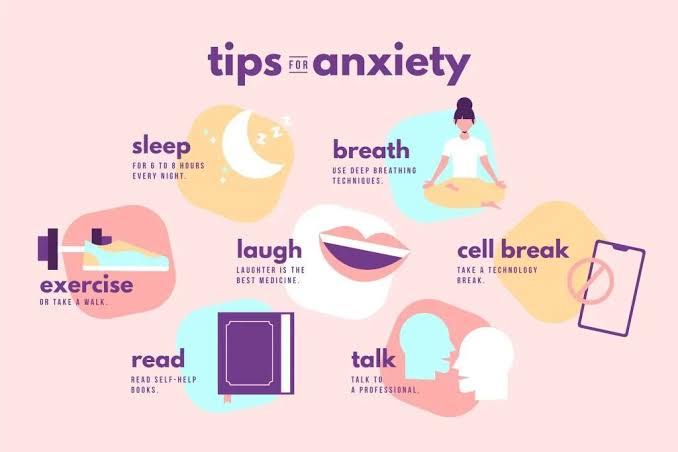
Managing anxiety involves adopting lifestyle changes that promote mental and physical well-being. Regular physical activity helps reduce stress hormones and stimulates the production of endorphins. Exercise provides a healthy outlet for nervous energy and can improve mood and sleep quality.
Mindfulness practices, such as meditation and deep breathing exercises, help anchor the mind in the present moment. These techniques reduce the tendency to ruminate on future uncertainties or past regrets. Focusing on the immediate environment and physical sensations can interrupt the cycle of anxious thoughts, and it provides relief from symptoms.
Better sleep habits are valuable for emotional regulation and resilience. Establishing a consistent sleep schedule and creating a calming bedtime routine can improve sleep quality. Adequate rest allows the brain to process emotions and recharge, and this makes it easier to cope with daily stressors.
How Is Professional Guidance Beneficial?
When self-management strategies are insufficient, professional guidance offers structured support. Cognitive behavioral therapy (CBT) is an effective therapeutic approach for treating anxiety, as it helps individuals identify and challenge negative thought patterns that contribute to anxious feelings. Therapists work with patients to develop personalized coping mechanisms and problem-solving skills. By addressing the root causes of anxiety, individuals build resilience against future stressors.
Medication may be prescribed to manage severe symptoms. Anti-anxiety medications and antidepressants help regulate brain chemistry, and they alleviate intense feelings of panic. Medication may be used in conjunction with therapy for a comprehensive treatment approach.
Improve Your Mental Health Today
Managing anxiety during life changes requires a proactive approach to mental health. By understanding the symptoms and implementing effective strategies, individuals can navigate transitions with greater stability. If symptoms persist or interfere with daily life, consult a healthcare provider. Early intervention supports long-term well-being.