

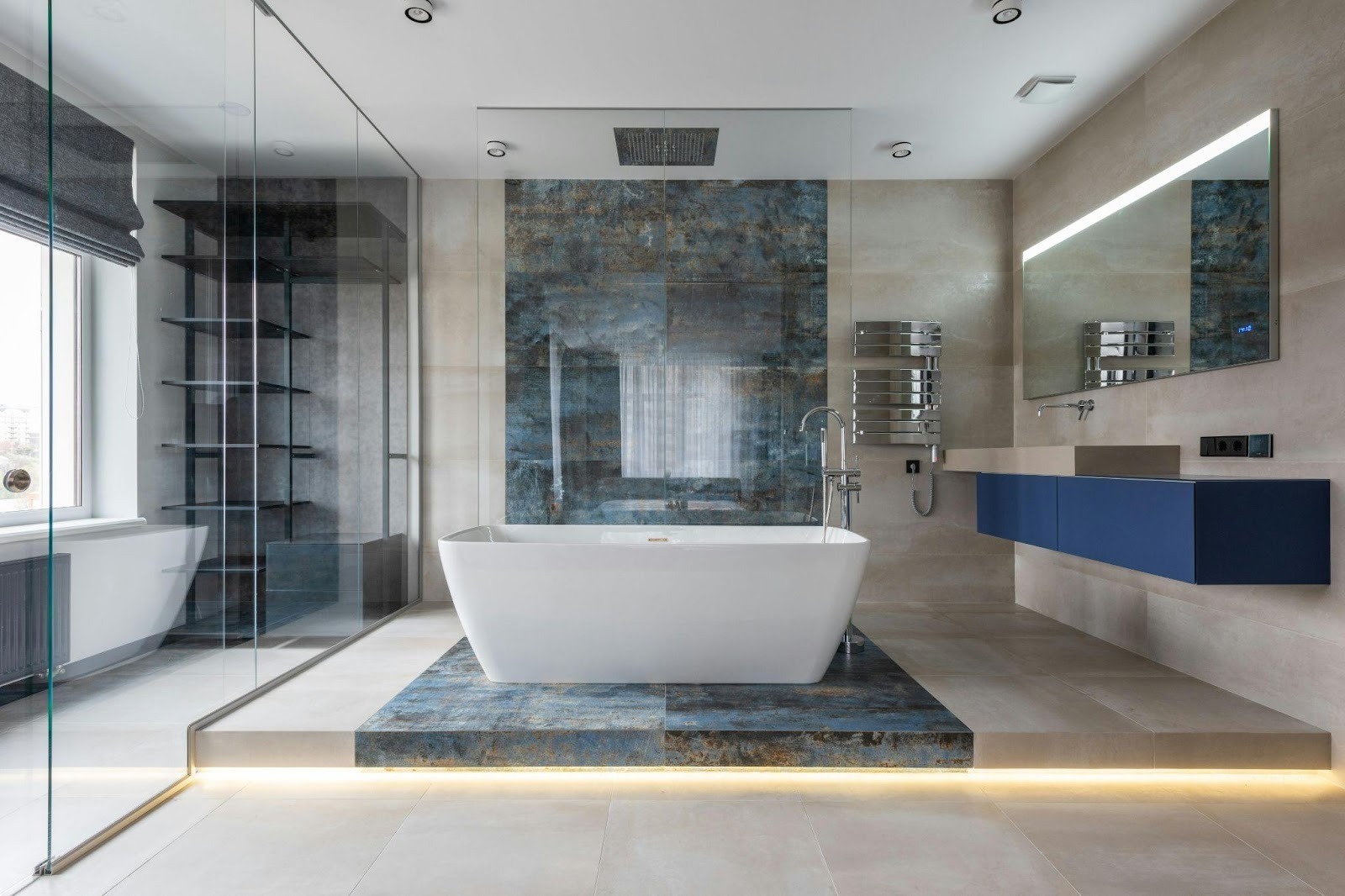
In the world of interior design, trends often come and go with the seasons, but certain fixtures possess an enduring quality that transcends time. The porcelain tub, specifically those constructed from heavy-duty cast iron, stands as a testament to the era of craftsmanship. These tubs are not merely functional bathroom fixtures; they are foundational design elements that anchor a room with their substantial weight, brilliant luster, and unrivaled heat retention.
For homeowners embarking on a master suite renovation or restoring a historic home, the choice of a bathtub is one of the most significant decisions. While modern acrylics offer lightweight convenience, they cannot replicate the solid, “permanent” feel of a porcelain-enameled cast iron basin. This guide explores why this classic combination of iron and glass remains the gold standard for luxury bathing and how it serves as a long-term investment in both home value and personal wellness.
The Engineering Behind the Luster
To understand the appeal of a porcelain tub, one must appreciate the intense manufacturing process. Each tub begins as a mold of molten iron, cast into iconic shapes like the clawfoot or the pedestal. Once the iron has cooled and solidified, it is cleaned and heated to extreme temperatures. At this stage, a high-grade porcelain powder (frit) is dusted onto the glowing metal.
The heat causes the porcelain to melt and fuse to the iron, creating a glass-like coating that is incredibly hard and smooth. This chemical bond ensures that the finish is non-porous and resistant to scratching, fading, and chemical damage. Unlike plastic-based tubs that can feel “hollow” or flexible, a cast iron porcelain tub feels like a solid piece of stone, providing a sense of security and luxury every time you step inside.
Thermal Mass and the Art of the Long Soak
The primary functional advantage of a cast iron porcelain tub is its “thermal mass.” Cast iron is a dense material that, once warmed, holds onto heat far longer than thin-walled alternatives. When you fill a cast iron tub with hot water, the iron itself absorbs the heat and radiates it back into the water, keeping your soak at a consistent temperature for an extended period.
This makes the porcelain tub the ultimate choice for hydrotherapy. Whether you are using Epsom salts to soothe sore muscles or simply unwinding after a long day, you won’t find yourself constantly reaching for the hot water tap to top off a cooling bath. The depth and heat retention allow for a truly immersive experience that relaxes the nervous system and promotes deeper, more restorative sleep.
Aesthetic Versatility: From Victorian to Modern
While the clawfoot porcelain tub is the most recognizable silhouette, the material is surprisingly adaptable to various design styles.
- Classic Clawfoot: Featuring ornate feet in finishes like brushed nickel, oil-rubbed bronze, or polished chrome, these tubs are the centerpiece of traditional and transitional bathrooms.
- Pedestal Tubs: For a cleaner, more substantial look, a pedestal base replaces the feet, offering a “skirted” appearance that hides the plumbing and adds a touch of Art Deco or Regency flair.
- Drop-In and Alcove: Porcelain cast iron is also available in built-in formats. These provide the same durability and heat retention but are integrated into a tiled surround for a more streamlined, modern aesthetic.
The exterior of many freestanding cast iron tubs can even be custom-painted. Whether you choose a soft sage green, a dramatic matte black, or a classic crisp white, the ability to customize the “skirt” of the tub allows it to integrate perfectly with your wallpaper, tile, and cabinetry.
Durability and Investment Value
When you install a cast iron porcelain tub, you are essentially installing a 50-to-100-year fixture. These tubs are famous for their longevity; it is not uncommon to find original cast iron tubs in century-old homes that still look magnificent today. The porcelain finish is exceptionally easy to clean with mild soap and water, and because it is non-porous, it does not harbor bacteria or mold like some porous synthetic materials can.
From a real estate perspective, a high-quality cast iron tub is a “prestige” feature. Potential buyers recognize the quality and the expense associated with these fixtures. It signals that the home was built or renovated with premium materials, often leading to a higher resale value and a faster sale in the luxury market.
Installation Considerations: Weight and Support
The only significant “challenge” of a porcelain cast iron tub is its weight. A standard 60-inch tub can weigh between 300 and 500 pounds empty, and significantly more when filled with water and a bather. Before installation, it is critical to ensure that your bathroom subfloor is properly reinforced.
Working with a professional contractor or structural engineer is recommended to verify that the floor joists can support the concentrated load. While this adds a step to the renovation process, the result is a fixture that will never creak, flex, or shift—providing a rock-solid foundation for your daily relaxation ritual.
Conclusion: A Legacy of Comfort
Choosing a porcelain tub is a move away from the “disposable” culture of modern home goods and a return to lasting quality. It is a piece of functional art that provides a sensory experience unlike any other—from the cool, smooth touch of the enamel to the deep, resonant sound of the water filling the basin.
By investing in a cast iron porcelain tub, you are creating a sanctuary that will serve you and your family for generations. It is a timeless commitment to craftsmanship, beauty, and the profound importance of a truly exceptional soak.