

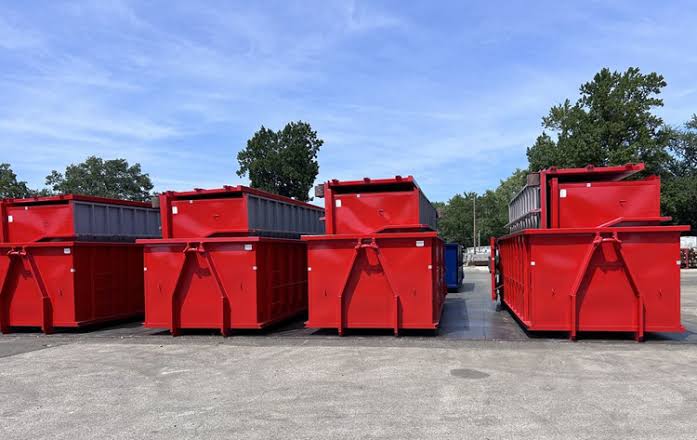
Dumpster rental for residential, commercial, and construction projects offers both small and large capacity bins to match your waste needs. This includes roll-off dumpsters, which slide off trucks for easy loading on-site. Smaller trash dumpsters are ideal for garage cleanouts, yard waste, or community cleanups. Here are a few roles of proper waste management with a dumpster rental:
Using Waste Containers
Renting a dumpster supports adherence to local rules related to waste storage; containers may also align with your project’s disposal needs. Occupancy codes define how waste should be stored on job sites and properties. Dumpsters help a residential owner or project manager follow these standards by offering both sanitary and secure containment of clutter. Cleanouts and renovations can proceed with fewer obstructions when every item has a designated place. From small bins for hauling junk to large containers for construction debris, renting appropriate dumpsters to manage waste helps to lower the likelihood of on-site hazards.
Streamlining Waste Management
Choosing a bin that is sized and designed for your job’s scope helps reduce repeated handling of waste while organizing removal. They can also reduce the number of extra hauls, allowing you to avoid disruptions to your workflow. Some dumpster rental services offer varying sizes, from 10-yard dumpsters suited to small renovation projects to 30-plus yard containers made for heavy-duty materials, such as concrete. Look for a dumpster provider that maintains a wide inventory and allows selection of bins that match anticipated loads.
Construction and large renovation projects can generate huge amounts of waste that sometimes slow progress if left in staging areas. Roll-off construction dumpsters hold heavy and bulky debris from demolished structures. They also hold manufactured waste from excess drywall, lumber, siding, and roofing. Renting adequately sized bins at the operation’s launch provides centralized containment, so laborers spend less time shifting piles around a work zone. Regular carting off-site helps keep walkways and access routes clear.
Assessing Your Waste
Proper waste management with a dumpster begins by identifying the types of waste generated on a site. Hazardous waste includes flammable, reactive, corrosive, or toxic materials, and biomedical waste contains bodily fluids or tissues. Recyclable waste includes materials that can be processed and used again in manufacturing systems. Other types of waste, such as electronic, radioactive, and industrial wastes, require specialized handling and disposal routes during waste management.
When hazardous materials are involved, proper waste management practices are necessary. Use protective equipment that protects the body from chemical exposure and airborne particles during loading and disposal. Some of these materials may cause skin irritation, burns, or eye damage when direct contact occurs, so make sure you follow correct waste assessment and dumpster selection.
Plan Your Dumpster Rental Today
Dumpsters keep waste contained within the property boundary, so materials remain in defined work zones. Strategically placing containers can limit access to hazards while keeping landscaping and active work visible for monitoring. Dumpster companies help you select the type and size of container that corresponds with the project. Contact a dumpster rental provider to discuss container sizes, placement options, and scheduling for your waste management requirements.


