

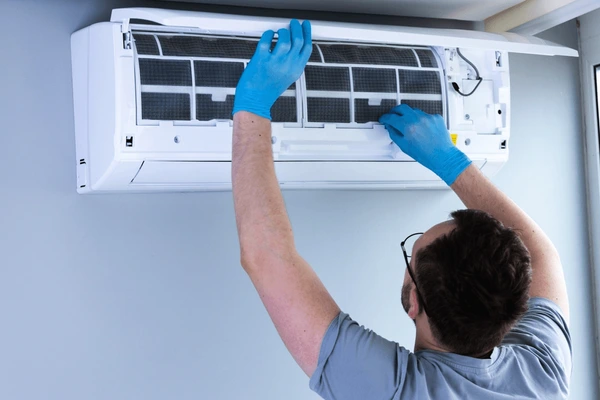
Coastal regions present unique challenges when maintaining comfortable indoor temperatures. The proximity to the ocean brings fresh breezes, but also high humidity, salt-laden air, and fluctuating temperatures that test the endurance of heating and cooling systems. These environmental conditions can accelerate wear and tear, corrosion, and inefficiencies if systems are not properly maintained or designed for coastal climates. For homeowners and businesses near the shore, understanding how weather patterns affect HVAC systems is essential for preserving comfort and efficiency year-round. With careful planning and maintenance, coastal climates can be managed effectively without compromising system performance or longevity.
We Will Explore How Salt and Moisture Affect System Durability
The combination of salt and moisture in the air creates one of the toughest environments for HVAC systems to operate in. We will explore how these factors accelerate corrosion, weaken components, and lead to premature system failure. Salt particles carried by ocean breezes can settle on coils, fans, and internal components, slowly corroding metal surfaces. This buildup can block airflow and reduce energy efficiency, forcing systems to work harder than necessary. Over time, corroded parts may cause refrigerant leaks or electrical malfunctions. Regular cleaning and protective coatings can help combat these effects, but homeowners must remain vigilant. Moisture from humid air also contributes to mold growth and electrical issues within units if proper ventilation isn’t maintained. Without consistent attention, even newer systems can suffer performance decline much sooner than expected in coastal environments, making preventive maintenance an absolute necessity for long-term reliability.
We Will Explore the Role of Humidity in HVAC Efficiency
Humidity is a defining characteristic of coastal weather and plays a significant role in indoor comfort and system performance. We will explore how excessive humidity strains heating and cooling systems and how it can be managed. When humidity levels rise, air conditioners must work harder to remove moisture before cooling the air, increasing energy consumption and wear on components. Over time, this added workload can reduce efficiency and shorten the unit’s lifespan. High indoor humidity also contributes to musty odors, mold growth, and discomfort, even when the temperature is technically comfortable. That’s why homeowners in coastal areas often invest in dehumidifiers or upgraded HVAC systems designed for high-humidity climates. Many coastal property owners rely on trusted services such as Semper Fi Heating and Cooling to ensure their systems remain efficient under these challenging conditions. Maintaining balanced humidity not only enhances comfort but also preserves air quality and equipment durability.
We Will Explore How Temperature Fluctuations Influence System Performance
Coastal climates are often characterized by rapid temperature changes, with mornings cool and afternoons hot and humid. We will explore how this variability challenges HVAC systems and affects their energy efficiency. Systems must frequently switch between heating and cooling modes, which can increase mechanical wear and strain on compressors and thermostats. These constant adjustments also require more energy, leading to higher utility bills and increased maintenance demands. Homeowners can mitigate these effects by using programmable thermostats and zoning systems that manage temperature changes more precisely. Proper insulation and duct sealing also help maintain consistent indoor conditions despite outdoor swings. Regular servicing ensures the system adapts smoothly to daily and seasonal changes without degrading performance. By anticipating these temperature shifts, property owners can enhance system efficiency and comfort while reducing the risk of costly breakdowns from overuse or stress.
We Will Explore the Impact of Air Quality and Outdoor Debris
Airborne debris, sand, and salt from coastal environments significantly impact HVAC air quality and system performance. We will explore how outdoor contaminants enter heating and cooling systems, leading to buildup and inefficiencies. When debris accumulates in filters, coils, and ducts, airflow becomes restricted, forcing systems to work harder to maintain desired temperatures. Poor air circulation can also reduce indoor air quality, leading to discomfort or even respiratory issues for occupants. Regularly changing filters, scheduling coil cleanings, and ensuring ducts are sealed are key preventive measures in these environments. Outdoor units should also be inspected frequently to remove sand or salt buildup that could interfere with fans or compressors. Clean air not only supports better system performance but also promotes healthier living spaces. A well-maintained HVAC system can serve as both a comfort solution and a protective shield against coastal pollutants that threaten air quality.
We Will Explore How Preventive Maintenance Extends System Longevity
Preventive maintenance is the backbone of keeping coastal HVAC systems running efficiently. We will explore how regular inspections and servicing help counteract the effects of salt, humidity, and fluctuating weather conditions. Routine maintenance includes checking coils for corrosion, inspecting wiring for moisture damage, and ensuring refrigerant levels remain optimal. Cleaning outdoor units and applying protective coatings can significantly extend their service life. Technicians can also identify early warning signs such as rust or reduced airflow, before they become major issues. Regular servicing ensures that all components function harmoniously despite the harsh environment, maintaining both performance and efficiency. Homeowners who commit to scheduled maintenance save significantly over time, avoiding major repairs and premature replacements. Preventive care doesn’t just maintain comfort—it preserves the long-term health and sustainability of the entire HVAC system. Consistency in maintenance is the key to balancing cost, performance, and durability in coastal climates.
The coastal environment brings both comfort and challenges, offering refreshing breezes but also the wear and tear of salt, humidity, and temperature fluctuations on HVAC systems. Understanding how these factors interact allows homeowners to take proactive steps that protect their investment and preserve comfort. From managing humidity and corrosion to maintaining clean airflow and balanced temperatures, every detail contributes to efficient performance. By prioritizing maintenance and thoughtful system care, coastal residents can enjoy dependable indoor comfort regardless of the weather outside. Long-term attention to these unique environmental challenges ensures that heating and cooling systems continue to perform smoothly, delivering reliability and peace of mind for years to come.