

In the world of construction, ensuring that structures are strong and durable is paramount. A critical element in achieving this goal lies in the effective use of reinforcement bars. These bars provide the necessary tensile strength that concrete, inherently strong but brittle, lacks.
What are Reinforcement Bars?
Reinforcement bars, often referred to as rebar, are steel rods used in concrete construction to improve the tensile strength of concrete. Concrete is capable of enduring heavy loads, but it lacks tensile strength; when stress is applied, it can crack easily. Rebar addresses this issue by embedding within the concrete to take up tensile stresses.
Types of Reinforcement Bars
Diverse types of reinforcement bars are available, each serving specific applications. The most commonly used types include carbon steel rebar, epoxy-coated rebar, and stainless steel rebar. Carbon steel rebar is the most traditional and widely used due to its affordable nature and good bonding properties with concrete.
Carbon Steel Rebar
Carbon steel rebar is the industry standard given its cost-effectiveness and excellent bonding ability with concrete. It is used in a wide range of constructions, from residential buildings to major infrastructure projects.
Epoxy-coated Rebar
Epoxy-coated rebar is used in environments where there is a risk of corrosion. The epoxy coating provides a protective barrier against moisture and chemicals, extending the lifespan of the bar and hence the structure it supports.
Stainless Steel Rebar
Stainless steel rebar offers superior resistance to corrosion and is used in projects that require a longer service life or are exposed to harsh environmental conditions. Its higher cost is justified by the longevity and toughness it brings to structures.
Functionality of Reinforcement Bars in Construction
The primary role of reinforcement bars is to provide tensile strength to concrete. They assist in holding the concrete in place under tension, diminishing the cracking and breaking risks. Reinforcement bars make concrete structures more resilient to forces such as earthquakes, high winds, and other environmental stressors.
Installation Process of Reinforcement Bars
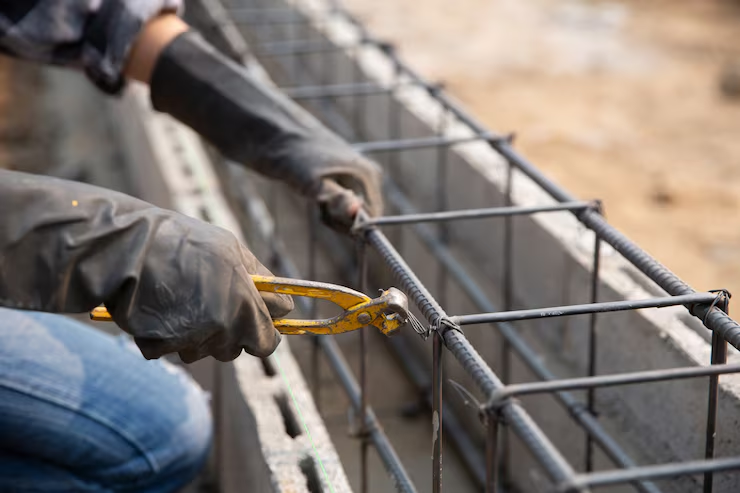
The installation of reinforcement bars involves various steps, beginning with the design phase, where experts determine the required strength and dimensions. This phase is followed by cutting, bending, and laying the bars within formworks according to specifications. The process concludes with securing the rebar by tying at intersections to ensure it remains in place when the concrete is poured.
Benefits of Using Reinforcement Bars
Reinforcement bars provide several benefits, the foremost being the enhanced structural strength and durability. They ensure the longevity of the structure by reducing maintenance costs over time. Furthermore, their resilience against environmental forces protects the integrity of buildings and infrastructure for years.
Choosing the Right Reinforcement Bars
Selecting the right type of reinforcement bar is crucial for the specific needs of a project. An evaluation of environmental factors, intended use of the structure, and budget requirements guides this decision. Consulting with industry experts can further assist in making informed choices.
Challenges Associated with Reinforcement Bars
Although reinforcement bars significantly improve structural durability, they do present challenges. Corrosion is a common issue, particularly in environments with high humidity or salt exposure. Engineers must consider protective measures such as coatings to mitigate these problems.
Future Trends in Reinforcement Bars
The future of reinforcement bars is seen in the advancement of materials and technologies. Researchers are exploring alternatives like fiber-reinforced polymers (FRP) that offer similar strength without corrosion issues. These materials are expected to become more prevalent as the industry moves toward sustainable construction practices.
Conclusion
Reinforcement bars are indispensable in modern construction, offering the essential tensile strength that concrete needs to remain durable and long-lasting. By understanding the types, benefits, and challenges associated with reinforcement bars, constructors can ensure their projects are safe, efficient, and economically viable. As technology continues to advance, the evolution of materials will further enhance the capabilities and applications of these critical construction components.