

- The daily commute has become increasingly inefficient, stressful, and inflexible in modern urban life.
- Micro-mobility options transform how people navigate cities, offering flexible and eco-friendly alternatives.
- Personal electric transport solutions can save time, money, and bring unexpected enjoyment to your daily routine.
- Making the switch is easier than expected, with safety, practicality, and ease of use all within reach.
Let’s be honest—commuting kind of sucks. Whether you’re inching along in traffic or squeezing into a packed train with someone’s backpack in your face, it’s rarely the best part of your day. You might be listening to a podcast or sipping your morning coffee, but deep down, you’re probably counting the minutes until it’s over.
What if there was a way to completely transform that experience, to make it bearable and enjoyable?
There’s a commuter upgrade that’s quietly revolutionizing how people move through the city—and no, it’s not another app or ride-sharing service. It’s something that blends speed, control, and just enough fun to make you feel like a kid again… without sacrificing the grown-up perks of efficiency and independence.
Stick around, because we’re about to explore the one change that could seriously level up your daily grind.
The Modern Commuter’s Dilemma
Commuting has always been a necessary evil, but lately, it’s become even more complicated. Cities are more crowded than ever, public transportation is unpredictable, and car ownership feels more like a burden than a convenience. Add in rising fuel costs, limited parking, and constant traffic delays, you’ve got a perfect recipe for frustration.
And here’s the kicker—commuters are expected to just deal with it. You shuffle along, hoping you’ll catch your connection, praying your bus isn’t full, and trying not to spill coffee on yourself during the chaos.
The pandemic only added more layers to the challenge. With remote work reshaping routines, not everyone commutes five days a week anymore. But that irregular schedule means your transportation needs don’t look like they used to. Maybe you need to get across town for a meeting one day, then run errands on the other side of the city the next. The “9-to-5” commute has become the “whenever-you-need-to-go-somewhere” puzzle.
People crave freedom and flexibility, and traditional transit isn’t cutting it.
Why Micro-Mobility Is Taking Over City Streets
Across cities around the world, there’s a quiet shift happening. More bike lanes. More charging stations. Fewer cars clog up the roads. That’s no accident—it results from a growing movement toward micro-mobility. Think compact, efficient, often electric modes of transportation that fill the gap between walking and driving.
What started as a trend has become a full-blown lifestyle shift. It’s not just about avoiding traffic or skipping the subway anymore—it’s about rethinking how you move through the world. Micro-mobility offers a solution that’s faster, cheaper, cleaner, and surprisingly enjoyable.
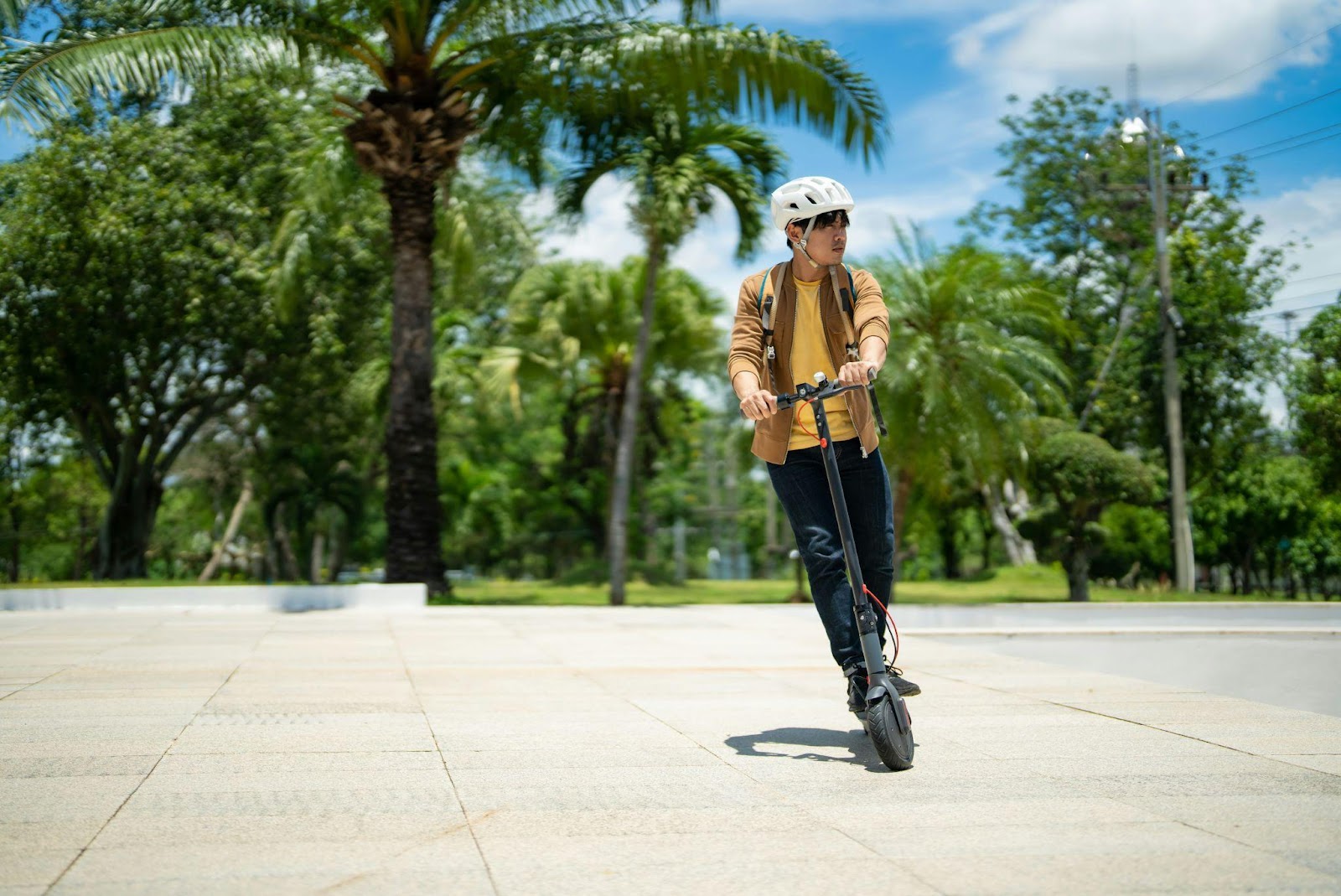
Electric scooters have emerged as a standout option here. Compact enough to store in your apartment or office, powerful enough to handle the city streets, and smart enough to connect with your phone, they’re the perfect fit for modern life on the move.
One standout example is the Segway scooter. Its name has become synonymous with balance, safety, and sleek design. Whether you’re weaving through morning rush hour or cruising to lunch without breaking a sweat, this kind of transport feels less like a compromise and more like an upgrade.
The Unexpected Benefits of This Upgrade
When you think “commuter upgrade,” your mind might jump to luxury car features or noise-cancelling headphones. But stepping into the world of modern micro-mobility brings perks far beyond creature comforts.
First, there’s the time factor. Can you cross a park or glide through a quiet side street during rush hour? It’s a game changer. You’re not waiting on a bus that might be late or stuck behind a dozen red lights. You’re in control of the route and the pace.
Then there’s the sheer convenience. No hunting for parking spots, no fiddling with meters, and no sitting in idling traffic watching the clock tick. And when your ride folds up neatly and fits beside your desk, you’re not stuck paying for a garage or leaving your mode of transport vulnerable on the street.
Cost-wise, it adds up fast. After the initial investment, you’ll spend a fraction of what you would on gas, maintenance, or even monthly metro cards. It’s one of those rare moments where what feels like a splurge becomes a solid financial move.
And don’t underestimate the lifestyle lift. There’s something unexpectedly fun about zipping through your neighborhood with the breeze in your face. It turns errands into mini-adventures. You might even look forward to your commute—words you probably never expected to say.
How to Make the Switch Seamlessly
If you’re curious but a little hesitant, that’s normal. Swapping out your usual commute routine for something unfamiliar can feel like a leap. But this upgrade isn’t about tossing your car keys for good or ditching the train forever—it’s about adding more options to your life.
The first step? Do a little research. Not all scooters or micro-mobility options are created equal, so consider your terrain, typical distance, and whether you’ll need something compact for stairs or elevators. Comfort, speed, and battery life will all play a role.
Next, make sure you’re set up for safety. A decent helmet is non-negotiable, and reflective gear or lights can make you more visible, especially if you’re riding early or late. Learn the traffic rules for scooters in your area—some cities treat them like bikes, while others have their own regulations.
As for fitting it into your lifestyle, think small at first. Try it out on weekend errands or a quick ride to meet a friend. Notice how it feels, how the city opens up differently when you’re not limited to sidewalks or traffic lanes. Over time, what starts as a once-in-a-while ride might become your go-to way of getting around.
The switch isn’t just logistical—it’s mental. It’s about recognizing that you have more control over your commute than you thought. And once you get a taste of that freedom, it’s pretty hard to return.
Conclusion
The daily commute has been a source of stress, time loss, and unpredictability for years. Most people have accepted it as just another part of life, but it doesn’t have to be. With the right tools and mindset, your journey to and from work can shift from something you endure to enjoy.
This isn’t about chasing trends or throwing out what already works for you. It’s about discovering a more innovative way to move—one that matches the pace of your life and frees you from the bottlenecks of traditional transit. Whether heading across town or just to the neighborhood café, you deserve a ride that’s efficient, empowering, and even fun.
So, if your current commute feels more draining than dynamic, it might be time to upgrade—not with something flashy or complicated, but with something refreshingly simple that gets you where you want to go, on your own terms.