

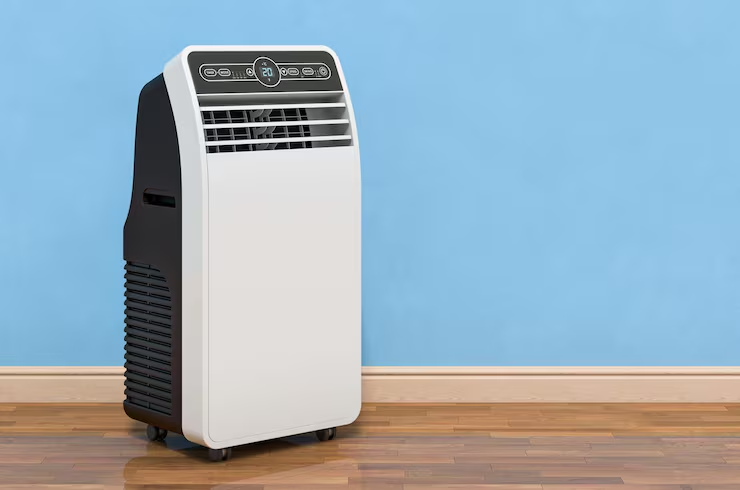
As temperatures rise, many individuals seek efficient and cost-effective cooling solutions. One such option, growing in popularity, is the portable evaporative air cooler. These devices offer a refreshing alternative to traditional air conditioners, especially in dry climates.
How Do Portable Evaporative Air Coolers Work?
Portable evaporative air coolers work by using the natural process of evaporation to cool air. They draw in warm ambient air, which passes over water-moistened pads. As the water evaporates, it absorbs heat, thereby reducing the temperature of the air that is circulated back into the room, offering relief from the heat without the need for refrigerants.
Benefits of Portable Evaporative Air Coolers
One significant benefit of portable evaporative air coolers is their energy efficiency. Because these coolers rely on natural evaporation, they consume considerably less energy than traditional air conditioning units. This efficiency results in lower electricity bills and a reduced environmental footprint.
Additionally, evaporative coolers add moisture to the air, which can be beneficial in arid regions where humidity levels are low. This extra moisture can help prevent dry skin and respiratory discomfort, common issues in dry climates.
Portability and Flexibility
True to their name, portable evaporative air coolers are designed to be easily moved from room to room. This flexibility allows users to focus cooling efforts on specific areas of their home or office, providing targeted relief where it is most needed. Additionally, these devices often require little installation, making them convenient for renters or those who frequently change residences.
Cost Considerations
When it comes to initial cost, portable evaporative air coolers are generally more affordable than permanent air conditioning systems. This cost-effectiveness makes them an attractive option for those seeking relief from the heat without a significant upfront investment.
Ideal Environments for Evaporative Cooling
These cooling units are particularly effective in dry, hot climates. Since evaporative cooling relies on adding moisture to the air, it works best in environments where the air is not already saturated with water. Regions with low humidity can benefit most from the cooling effect of these devices.
Factors to Consider When Choosing a Portable Evaporative Air Cooler
When selecting a portable evaporative cooler, several important factors should be taken into account. These include the size of the area to be cooled, the device’s water tank capacity, and its power consumption.
Size and Output
The size and cooling capacity of the evaporative cooler should match the size of the area it is intended to cool. Smaller models are suited for personal use or small rooms, whereas larger units can cool bigger spaces.
Water Tank Capacity
The water tank capacity affects how long the cooler can operate before needing a refill. For uninterrupted cooling, especially overnight, a larger tank may be preferable.
Power Consumption
Evaluating the unit’s power consumption is crucial for ensuring energy efficiency. Opt for models with better energy ratings to ensure cost savings in the long run.
Maintenance Tips
Proper maintenance of a portable evaporative air cooler is vital to its performance and longevity. Regularly cleaning the water reservoir and pads prevents the build-up of minerals and debris. Additionally, it is advisable to check the unit for blockages and ensure that the fan is functioning correctly.
Keeping the cooler clean not only enhances its efficiency but also ensures the air quality it produces is not compromised by dust or mould.
Conclusion
For individuals seeking a practical and environmentally friendly cooling solution, the portable evaporative air cooler presents itself as an ideal choice. By understanding how these devices work and the advantages they offer, users can make informed decisions that best suit their cooling needs. As demand for energy-efficient cooling solutions increases, these coolers provide a valuable alternative to traditional air conditioning, especially in dry, hot climates.


