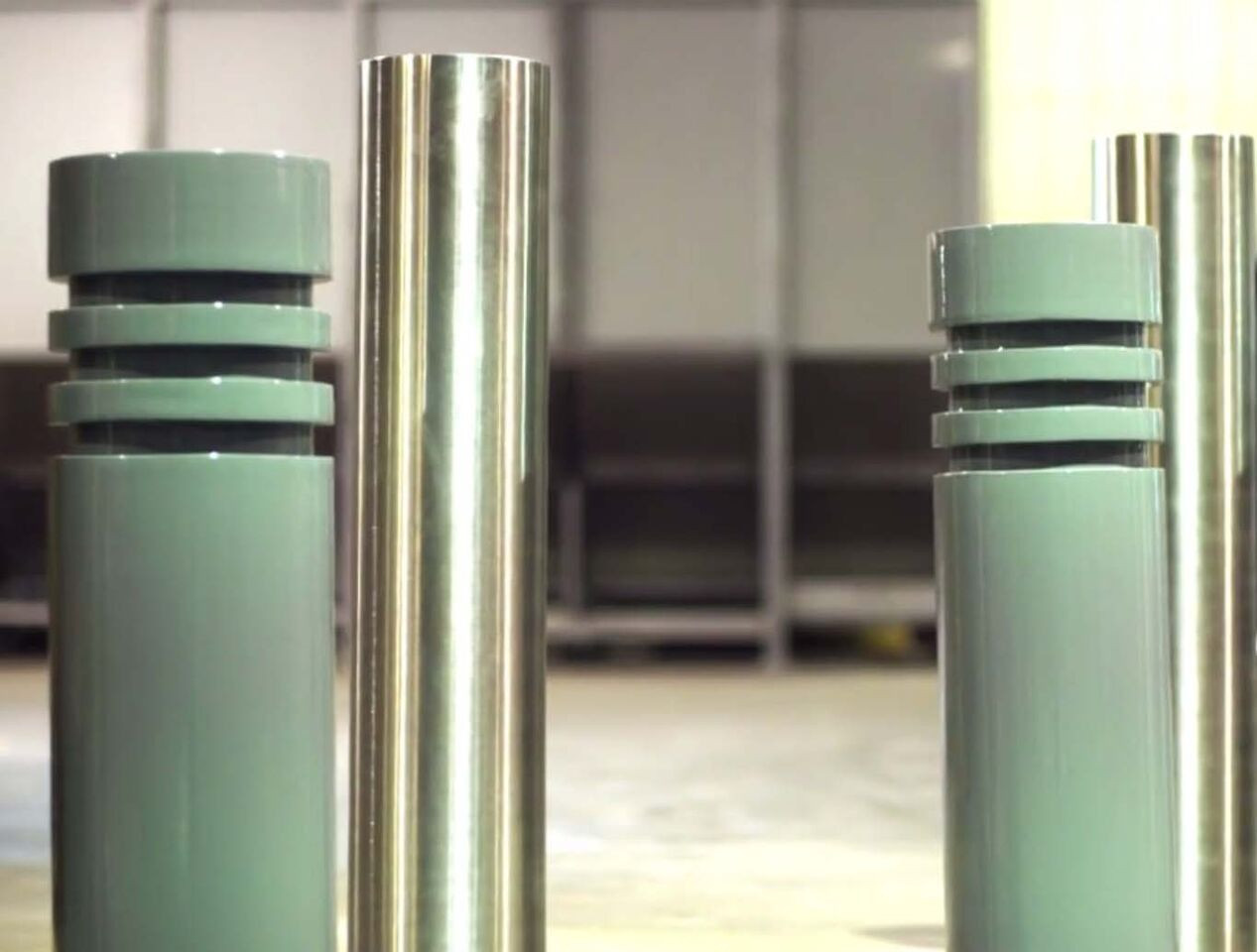


Parking lots, storefronts, and pedestrian areas rely on safety posts to regulate traffic and protect people and property. However, exposed bollards frequently get scratched, rusted, and uneven in appearance, making even properly maintained areas look neglected.
Repaint offers a temporary solution, but it requires more work, incurs extra expenses, and requires operational disruption. Simultaneously, modern business settings require safety measures that facilitate the clean and coordinated design rather than stand out as purely functional elements.
Stainless steel bollard covers solve both issues because they protect the structural post against damage, as well as provide a smooth and modern finish that is long-lasting.
This article describes the practical use of stainless steel bollard covers as a combination of durability, corrosion resistance, low maintenance, and modern appearance.
1. Impact Resistance And Structural Shielding

Safety posts in high-traffic settings are subjected to repeated contact by carts, pallet jacks, and vehicle bumpers. Stainless steel bollard covers serve the purpose of creating a protective outer layer that absorbs surface damage while maintaining the integrity of the internal post.
Since the impact is absorbed in the cover, the structural core remains intact and thus continues to serve its purpose of ensuring safety. Besides, stainless steel does not dent and crack as easily as a painted coating does, which may chip after minor collisions.
This increased strength helps to minimize the number of repairs and keeps protective barriers operational. Facilities also operate with steady performance over time without having to face disruptions due to broken or damaged bollards.
2. Corrosion Resistance In Outdoor Conditions
Outdoor installations are subjected to wet weather, humidity, road salt, and cleaning chemicals at all times. These factors accelerate the rusting process of normal painted steel and lead to observable corrosion near the ground level.
Stainless steel has extremely good resistance to oxidation, which enables the material to retain both strength and appearance even in harsh conditions. Its non-porous surface does not allow moisture to penetrate the seams, protecting the inner bollard from corrosion-related damage.
Consequently, safety posts retain their structural reliability even in coastal areas or parking buildings where exposure to chemicals is common. This corrosion resistance is effective in prolonging efficient operation without frequent maintenance costs, such as repainting or rust removal.
3. Low Maintenance Requirements Over Lifecycle

Traditional bollards need periodic sanding, priming, and repainting to restore their appearance. Every maintenance cycle is associated with labor, drying time, and disruption of surrounding areas.
Stainless steel covers remove these repetitive tasks as the finish does not peel off, fade, or need to be coated again. Standard cleaning with common solutions is used to clean dirt, tire tracks, and surface residue without special preparation.
As a result, maintenance crews take shorter periods to engage in cosmetic fixes and longer periods to attend to important operational necessities. This saves on labor and material use, in the long run, reducing overall maintenance expenses.
The uniform finish also makes sure that the safety infrastructure has a homogenous and professional appearance throughout the property.
4. Compatibility With Existing Bollard Systems
Numerous facilities have already embedded the pipe bollards or base-mounted posts as a part of their safety layout.
Stainless steel covers can be manufactured to fit over these existing structures without changes to their foundations or positions. This adaptability also enables the property managers to upgrade the durability and aesthetics without eliminating functional bollards.
The installation process becomes quicker and less disruptive as the structural core remains in place.
Furthermore, it is possible to customize covers to various diameters and heights to fit perfectly with diverse site needs. This solution maintains the existing traffic control and increases the protection and visual consistency throughout the environment.
5. Visual Integration With Contemporary Architecture

Contemporary business and civic spaces often feature glass facades, metal panels, and neutral material palettes, which focus on the straight lines and reflective surfaces. This can be interrupted by painted safety posts, particularly where the color fades or the coating wears out.
These architectural elements are supported with stainless steel finishes, which reflect the surrounding materials and lighting conditions. This is a reflective quality that enables safety features to be visible without necessarily being a visual intrusion.
Furthermore, consistent finishes across entrances, walkways, and parking zones create a coordinated appearance that supports professional site presentation. Designers and facility planners can maintain required protective measures while preserving the intended aesthetic language of the built environment.
6. Concealment Of Wear And Mounting Hardware
Ground-level areas of safety posts often show the earliest signs of damage, including chipped paint, exposed base plates, and visible anchor bolts.
Stainless steel bollard covers help conceal these elements by extending over mounting hardware and surface imperfections, creating a smooth and continuous exterior. This not only improves visual consistency but also protects vulnerable connection points from moisture, debris, and chemical exposure that typically accelerate corrosion. As a result, both the cover and the internal bollard benefit from extended service life.
In addition, the cleaner profile reduces visual clutter around entrances and walkways, allowing safety features to appear integrated into the overall design rather than standing out as purely functional components.
7. Long-Term Value Through Durability And Appearance
Long-term performance relies on both strong protection and a consistently refined appearance. Stainless steel bollard covers retain their finish for extended periods without fading, peeling, or forming rust stains, which helps properties maintain a clean and professional image.
Since the internal bollard remains shielded from repeated impact and environmental exposure, replacement cycles become less frequent and repair needs decline. This reduction lowers material expenses, minimizes labor requirements, and prevents disruptions to daily operations.
Furthermore, the reflective metallic surface improves visibility in both natural daylight and artificial lighting, which supports safer movement for vehicles and pedestrians. Over time, this combination of durability, reduced maintenance, and visual consistency delivers measurable value for facilities that require dependable protection and a modern, well-maintained presentation.
Conclusion
Stainless steel bollard covers offer a balanced solution that protects structural posts while supporting modern architectural expectations. Their resistance to impact and corrosion extends service life and reduces the need for frequent repairs or repainting.
Because they fit over existing bollards, facilities can upgrade durability and appearance without major reconstruction or operational disruption. In addition, their reflective finish integrates smoothly with contemporary materials, allowing safety features to remain visible without compromising design consistency.
Over time, the reduced maintenance demands and extended replacement cycles lower total ownership costs. This combination of performance, efficiency, and visual cohesion makes stainless steel covers a practical choice for environments that require both reliable protection and refined presentation.