

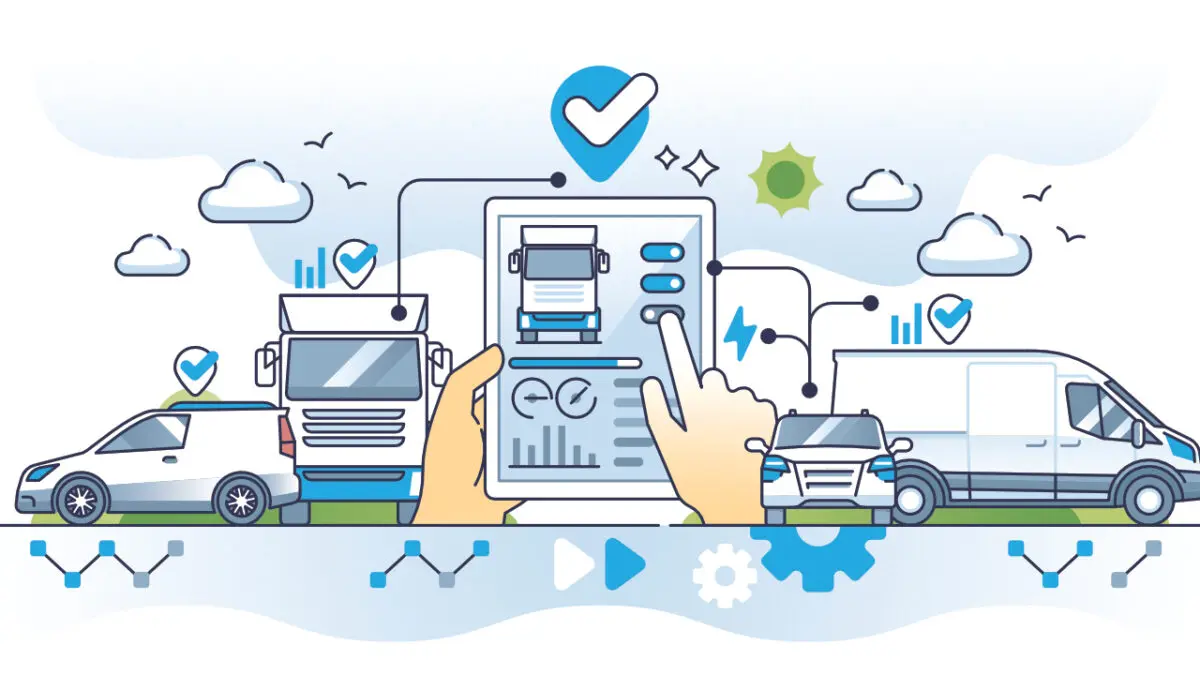
In the modern business landscape, increased efficiency is a fundamental goal for companies aiming for sustainable growth. By integrating fleet management solutions into their operations, organisations can significantly enhance their productivity. Advanced solutions have emerged as critical tools for monitoring, managing, and optimising fleet operations to achieve these objectives.
Understanding Fleet Management
Fleet management involves a range of tasks aimed at ensuring the optimal operation, management, and maintenance of a company’s fleet of vehicles. This could include monitoring vehicle locations, managing fuel consumption, and ensuring vehicles are correctly maintained to prevent unnecessary costs.
Benefits of Fleet Management Solutions
One of the primary advantages of advanced fleet management solutions is cost savings. By analysing data on vehicle performance and driver behaviour, businesses can reduce fuel consumption and wear on vehicles. These insights allow for strategic planning that results in more efficient fleet usage.
Moreover, fleet management solutions enhance safety. By enabling real-time monitoring of driver behaviour, they can help companies reduce accident rates and improve compliance with traffic laws, thereby lowering potential liabilities.
Technology in Fleet Management
Modern fleet management solutions leverage technological developments such as GPS tracking, telematics, and data analytics. GPS tracking allows managers to pinpoint vehicle locations at all times, which is particularly useful for logistics companies needing to maximise delivery efficiency.
The Role of Telematics
Telematics involves the fusion of telecommunication and informatics, providing a comprehensive data set that encompasses everything from vehicle location to engine diagnostics. This data helps organisations make informed decisions regarding fleet operations and maintenance, potentially increasing vehicle lifespan and reducing costs.
Data Analytics for Decision Making
Data analytics within fleet management solutions enables businesses to process vast amounts of data to identify trends and inefficiencies. With these insights, companies can make strategic adjustments to improve operations, such as optimising routes or adjusting schedules.
Environmental Impact
Efficient fleet management has the added benefit of reducing environmental impact. By optimising routes and improving vehicle usage, businesses can minimise emissions and contribute positively to environmental conservation efforts.
Enhanced Customer Service
Efficient fleet management also underpins improved customer service. By ensuring the timely delivery of products and services, businesses can improve customer satisfaction and strengthen their market position.
Scalability of Solutions
Modern solutions are highly scalable, allowing businesses to expand or streamline their operations as needed without compromising on efficiency. This scalability ensures that companies can adapt to changing market conditions while maintaining operational excellence.
Choosing the Right Solution
When selecting a fleet management solution, businesses must consider their specific needs, such as the size of the fleet, the nature of their operations, and budget constraints. Choosing a tailored solution that aligns with these factors is essential for maximising the benefits.
Implementation Strategies
Effective implementation of fleet management solutions requires a strategic approach. Businesses must adequately train employees on new systems and gradually integrate these solutions into existing operations to minimise disruption.
Challenges and Considerations
Despite the benefits, challenges such as upfront costs, resistance to change, and data privacy concerns can arise during the implementation of fleet management solutions. These need to be carefully addressed to ensure successful adoption.
Future Trends in Fleet Management
As technology evolves, fleet management solutions will continue to advance. Emerging trends include the integration of artificial intelligence for predictive maintenance and the use of blockchain for enhanced data security and transparency.
Conclusion
Optimising business efficiency through advanced fleet management solutions not only leads to cost savings but also improves overall safety, environmental performance, and customer satisfaction. By embracing these solutions, businesses can position themselves for better operational performance and long-term success.