

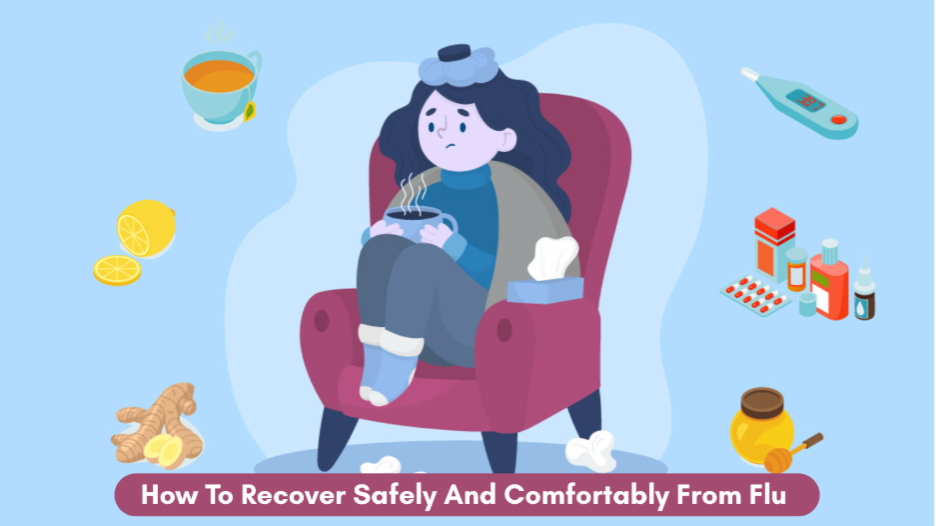
Flu symptoms hardly follow a linear course. Initially, the fever subsides, but exhaustion remains persistent. In the meantime, congestion impacts sleep, body aches cause slow movement, and appetite becomes irregular.
Meanwhile, excessiveness of medication, activity insistence, or experimenting with homemade remedies tends to cause more discomfort. As a result, recovery becomes more frustrating and prolonged than expected.
The answer, though, lies in listening to the way your body reacts on a daily basis and not forcing yourself through symptoms. Rest, hydration, nutrition, and symptom care work hand in hand rather than competing, making recovery stable and controllable.
Small adjustments, in turn, minimize the setbacks and aid a slow recovery in energy. Through the knowledge of how to take care of your body at every stage, you will be able to feel more comfortable without putting undue stress on it.
The following sections outline recovery steps in a clear, manageable way, making them practical to understand and implement right away.
1. Adjust Care Based on Changing Symptoms
The first step to knowing what to do when you have the flu is to adapt care according to the changing symptoms instead of following a fixed routine. Due to the fact that recovery from the flu does not always follow a fixed path, your response to the existing level of discomfort will remain topical and efficient.
At the initial stages, fever, chills, and body aches are the indicators that require rest and hydration. With the alleviation of these symptoms, though, there usually remains congestion, cough, and residual fatigue.
Treating the ongoing symptoms and ignoring the ones that are resolved saves you the trouble of exerting your body unnecessarily. For example, there is no value in continuing fever medication once the temperature goes down, while concentrating on congestion relief, enhancing breathing, and improving sleep quality.
Furthermore, resting between days helps in recovery. The circulation is sustained through light movement coupled with rest and does not exhaust the energy. Consequently, such a symptom-based approach minimizes guesswork and allows the recovery process to progress steadily and efficiently.
2. Support Energy with Rest and Fluids
Rest supports recovery during all the stages of the flu. Beyond alleviating fatigue, physical rest minimizes the unnecessary energy loss, and mental rest minimizes stress that disrupts the immune system. Therefore, true rest involves sleep and relaxation, and not multitasking and screen time.
Simultaneously, hydration and rest can be combined to relieve headaches, dizziness, and fatigue. Because fever and congestion cause the loss of fluids, frequent consumption of water is a necessity. Consuming water as the primary source of fluids, while taking warm liquids, such as broths or caffeine-free teas, calms down the throat and nasal passages.
Instead of drinking large amounts at a time, it is more effective to take smaller, consistent sips throughout the day. Combined with light meals, hydration keeps the strength steady without disturbing the digestive system.
Some people also include herbal supplements such as echinacea to support the immune system during flu recovery. While it may help reduce symptom duration, it works best as a complement to rest, hydration, and gentle nutrition.
3. Use Medication and Home Care with Care
Medication helps to provide comfort when used with intent and moderation. The unnecessary exposure and side effects are minimized by using medication only when the symptoms cause disruption in rest or hydration.
Loosening the congestion before going to sleep is an effective way to ease breathing, improve sleep, and support the recovery process. Checking active ingredients eliminates duplication of similar products, which otherwise prompts drowsiness, stomach ulcers, or lack of sleep.
Home care options can also supplement medication. For example, steam inhalation helps to loosen up the mucus, saline sprays help to soothe the dryness of the nose, and warm compresses decrease sinus pressure, creating a balanced approach without overdoing it.
4. Choose Gentle Foods During Flu Recovery
During flu recovery, digestion becomes more sensitive, making food choices especially important. Heavy meals often increase discomfort, while skipping meals slows energy restoration.
Light, familiar foods support nourishment without stress. Warm soups, soft grains, yogurt, eggs, and cooked vegetables provide nutrients while remaining easy to digest. Protein aids muscle repair, and fruits and vegetables support immune function.
Smaller, more frequent meals accommodate appetite changes and reduce nausea. As tolerance improves, gradually increasing food variety supports a smooth return to normal eating.
5. Protect Sleep and Breathing Comfort
Sleep disruption slows recovery more than most flu symptoms. When congestion, coughing, and temperature changes interrupt rest, fatigue and irritability often intensify the following day.
To improve nighttime comfort, elevating your head reduces postnasal drip and coughing. Similarly, maintaining slight humidity in the room prevents airway dryness, especially in cooler or air-conditioned spaces. Clean bedding and breathable clothing also help regulate body temperature throughout the night.
Beyond physical adjustments, creating a calm pre-sleep routine supports better rest. Gentle stretching, warm showers, or quiet reading prepare the body for sleep without overstimulation.
6. Resume Daily Activity at Controlled Pace
Energy often returns unevenly after the flu. Even after major symptoms fade, internal recovery continues. Therefore, pushing activity too quickly often leads to prolonged fatigue.
To avoid setbacks, start with light tasks that require minimal effort. Short walks or basic household activities maintain movement without draining reserves. By observing how your body responds the following day, you gain clearer signals for gradual increases.
Mental effort matters as well. Since concentration often remains limited, reducing demanding tasks and extended screen time supports cognitive recovery. In this way, controlled pacing protects comfort while rebuilding stamina safely.
Final Thoughts
Flu recovery becomes smoother when care adapts to your body rather than forcing a timeline. By adjusting care based on symptoms, supporting energy through rest and hydration, using medication carefully, eating gently, getting adequate sleep, and pacing activity, recovery stays balanced and comfortable.
Together, these steps restore strength steadily while reducing unnecessary setbacks, support daily comfort, limit relapse risk, improve sleep consistency, and help your body regain stability without added strain during recovery phases.


