

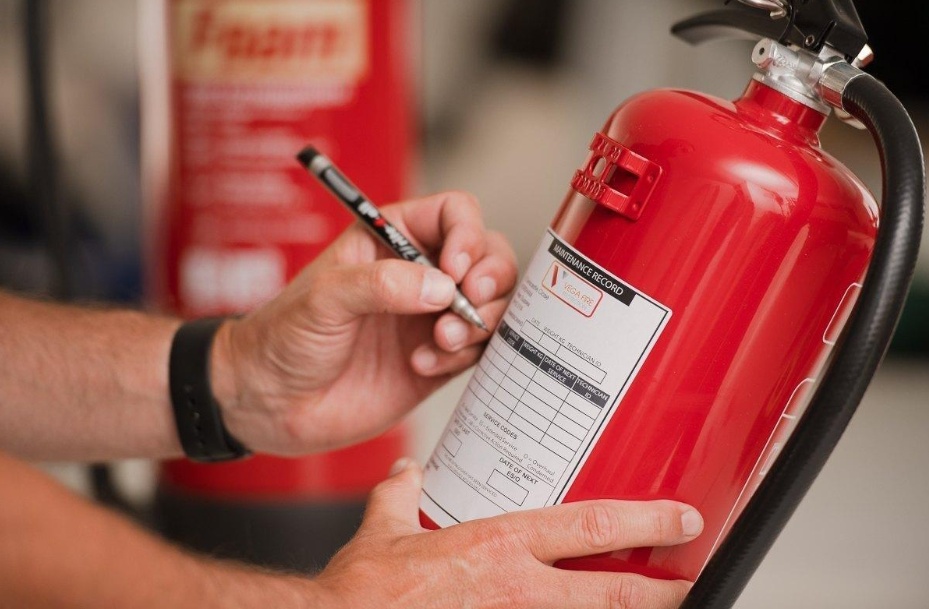
A fire extinguisher is one of the most important safety appliances in your house, but it’s easy to overlook until you have a crisis on your hands. One common neglected issue is leakage, which causes your extinguisher to lose pressure and become useless when you need it most. The good news is that inspecting a fire extinguisher at home is simple and requires no professional know-how.
In this guide, we are going to demonstrate how to check for a leaking fire extinguisher and give when to hire the expertise of the professionals, such as fire extinguisher maintenance and service fire protection.
Why It’s Important to Check for Leaks
Leaks in a fire extinguisher can reduce internal pressure, rendering the unit ineffective. If you’ve never inspected your extinguisher or you’ve had it for a few years, now’s the time to take a closer look. A leaking unit isn’t just a fire hazard—it can also damage nearby surfaces and contaminate your environment, especially if it’s stored inside your house.
Step-by-Step Guide to Checking for Leaks
1. Visual Inspection
Start with a rapid glance-over. Remove the extinguisher from its mount or storage compartment and check for the following:
- Cracks or splitting in the nozzle or hose
- Corrosion or rust along the base or the pressure gauge
- Powdery debris, especially around the nozzle or valve
Any residue present may be a slow leak. If you see any of these signs, you must get professional evaluation from a fire extinguisher service near me.
2. Check the Pressure Gauge
The gauge would be indicating the green area. If it’s in the red (low), then the unit may possibly have leaked or simply needs recharging. However, don’t recharge it yourself. Rather, look for where to recharge fire extinguisher services nearby.
3. Look for Hissing Noises
A gradual leak might be heard at times. Hold the extinguisher against your ear. Listen for a hiss or bubbly sound from a leak in the valve or hose connection. In this case, it is advisable to contact an approved fire protection equipment dealer or repair shop.
4. Inspect for Cold Spots
Leakage gas may cause condensation and create a cold spot on the cylinder. Gently sweep your hand over the canister. If you feel any cold spots or moisture, a leak may be present.
What to Do If You Find a Leak
If you suspect a leak in your extinguisher, don’t try to ignore it. You have some choices:
- Professional Inspection and Service: Call a fire extinguisher service company. Some providers offer residential and commercial inspection and recharging services for purchase.
- Near Me Fire Extinguisher Recharge: Local businesses can recharge the device if it is functioning properly. It involves depressurizing the device, refilling the agent, and repressurizing it to safety levels.
- Replacement or Rental: In case the extinguisher cannot be repaired or has reached its expiration date, consider calling a fire extinguisher rental company. They offer effective, short-term solutions for residential properties until you can obtain a replacement. Learning how an extinguisher rental company works can be useful when deciding to use this option.
How Often Should You Check It?
For residential use, a monthly basic visual check and an annual professional check are recommended. If you actually do discharge your extinguisher, even partially, it will require recharging right away.
Warning Signs It’s Time for Professional Service
Even if your extinguisher is not leaking visibly, it can still need service. Think about having a service fire extinguisher supplier call if:
- The pressure gauge is constantly low
- You notice unusual smells coming from the extinguisher
- The label shows it has not been inspected in over a year
- The nozzle is broken or the hose is clogged
Preventive maintenance by a quality fire protection equipment company keeps your extinguisher operational when you need it.
How to Choose the Right Service
Search online for fire extinguisher service near me or fire protection companies. Look for companies that have good reviews, certified technicians, and extensive services, including recharge, maintenance, and rental. Some also offer household safety consultations and product recommendations.
Additional Fire Safety Tips
- Install extinguishers in easily accessible areas by high-risk areas like kitchens, garages, or next to fireplaces.
- Keep airtight upright storage away from moisture or direct heat.
- Make sure everyone in the household knows where and how to use them.
- Take a basic fire extinguisher training course, which can be presented by your local fire department or fire protection equipment supplier.
Servicing your fire extinguisher is a small but crucial part of home security. Those monthly inspections can alert you to leaks and other issues before they are major issues. In case of damage or if you believe you have a leak, don’t hesitate to seek professional help. Whether it is repairing and recharging your fire extinguishers or extinguisher rental service work, there are plenty of services available to help secure your home.