

Dental pain is often the final stage of a problem that has been developing quietly for months or even years. Many oral health issues begin beneath the surface, progressing slowly without obvious symptoms. By the time pain appears, damage is often advanced, and treatment becomes more involved. Dentists focus on identifying these issues early, when intervention is simpler, and outcomes are more predictable. Early detection relies on careful observation, routine evaluation, and an understanding of how small changes in the mouth signal underlying concerns. This preventive approach protects long-term oral health and helps patients avoid discomfort that could have been prevented with timely care.
How Early Detection Works
- Visual Examination and Subtle Surface Changes
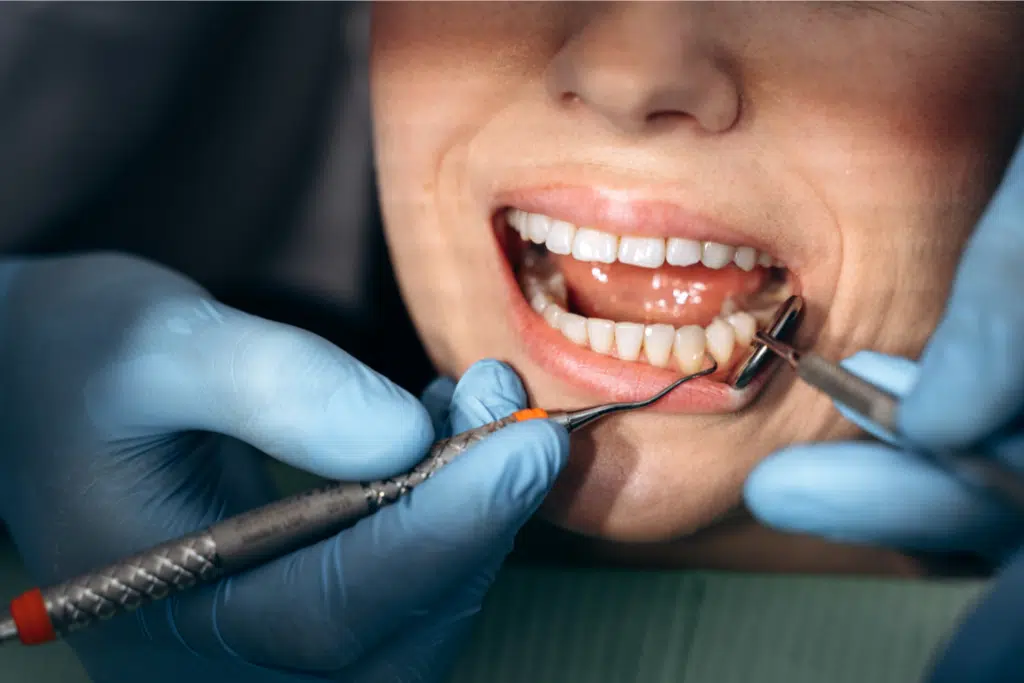
One of the primary methods dentists use to detect problems before pain begins is a detailed visual examination. Teeth and gums often show subtle signs of change long before nerves become involved. Slight discoloration, tiny surface irregularities, or changes in gum texture can indicate early decay or inflammation. Dentists are trained to detect these subtle differences and interpret their implications for underlying conditions. During routine visits, they assess not only individual teeth but also tooth interactions, periodontal attachment, and the appearance of soft tissues. For patients visiting a dentist in Lawrenceville, this careful evaluation often reveals early-stage issues that can be addressed with minimal intervention. Visual checks may seem simple, but they form the foundation of preventive dentistry by identifying concerns before they progress to painful stages.
- X-Rays and What the Eye Cannot See
While surface inspection is important, many dental problems develop below the visible area. X-rays allow dentists to see inside teeth, beneath restorations, and below the gum line. Early cavities often form between teeth or under existing fillings, where they cannot be detected by visual inspection. Bone changes associated with periodontal disease are detectable on X-rays before discomfort develops. By comparing images over time, dentists can track progression and identify changes early. This imaging process helps detect infections, impacted teeth, and bone loss long before patients feel pain. X-rays, therefore, serve as a critical diagnostic tool that complements visual examination, allowing dentists to intervene early and preserve tooth structure whenever possible.
- A Short Preventive Checkpoint
Routine cleanings also play a diagnostic role. As plaque and buildup are removed, dentists and hygienists can see areas that were previously hidden. This brief window often reveals early decay or gum irritation that might otherwise go unnoticed.
- Monitoring Gum Health and Inflammation
Gum disease often advances silently, making early detection essential. Dentists evaluate gum color, firmness, and attachment levels to identify early inflammation. Small pockets that form between teeth and gums may not cause pain but may indicate the early stages of periodontal disease. Measuring these pockets over time allows dentists to track changes and intervene before bone loss occurs. Bleeding during gentle probing is another early indicator that gums are under stress. By addressing these signs early, dentists help prevent progression to more severe stages, including pain, tooth mobility, or infection. Gum health monitoring is a continuous process that supports overall oral stability and comfort.
- Evaluating Bite and Wear Patterns
How teeth come together provides valuable information about potential problems. Uneven wear, flattened edges, or small cracks can indicate grinding, clenching, or misalignment. These issues often develop gradually and may not cause pain until damage becomes significant. Dentists analyze bite patterns to identify stress points that could lead to fractures or joint discomfort later. Early detection allows for adjustments or protective measures that reduce long-term damage. By evaluating wear patterns, dentists help patients avoid pain associated with cracked teeth, jaw strain, or advanced enamel loss. This proactive assessment protects both teeth and supporting structures.
- Understanding Patient History and Habits
Dental detection is not limited to what can be seen or measured during an exam. Dentists also consider patient history, habits, and lifestyle factors that influence oral health. Diet, oral hygiene routines, stress levels, and prior treatments all influence the development of dental issues. A patient who frequently consumes acidic drinks or grinds their teeth at night may be at higher risk for specific problems. By understanding these factors, dentists can anticipate issues before symptoms arise. This personalized perspective allows for targeted guidance and early intervention, reducing the likelihood of pain-driven visits.
Prevention Keeps Pain Away
Dentists detect problems before pain starts by combining observation, imaging, measurement, and patient insight. Early signs of decay, gum disease, and structural stress often appear quietly, long before discomfort develops. Through routine examinations and ongoing monitoring, dentists address these issues in a staged manner, preserving comfort and long-term oral health. This preventive approach shifts dental care from reactive treatment to proactive protection. By catching problems early, patients avoid unnecessary pain and preserve healthier smiles over time.