

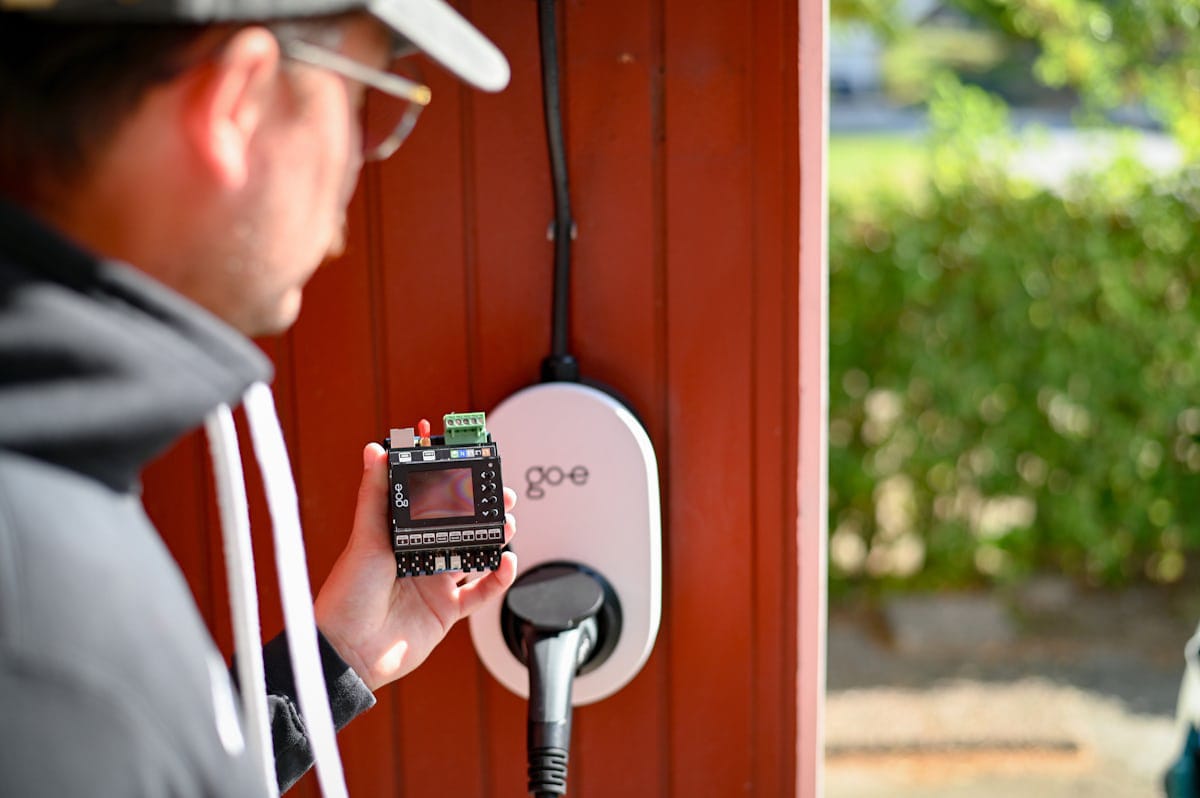
The conversation surrounding sustainability and green living is becoming increasingly prevalent as individuals and organisations alike aim to reduce their carbon footprint. One of the cornerstones of achieving this goal lies in the effective management of energy consumption. With the advent of technology and an emphasis on being environmentally conscious, smart energy monitoring has emerged as a powerful tool for sustainable living. This article explores how these systems function and their significance in driving energy efficiency and conservation.
The Role of Smart Energy Monitoring
At its core, smart energy monitoring is a technology-driven approach designed to provide real-time information about energy use. This analytics-rich data empowers home and business owners to take control of their energy expenditure, thereby optimising overall usage and costs. These sophisticated systems can pinpoint exactly when and where energy is consumed within a property, allowing for tailored strategies that reduce waste.
Advancements in Energy Tracking
Technological advancements in the field of energy management have led to the development of intuitive interfaces and devices that can track energy usage down to the individual appliance level. Homeowners and businesses can now access detailed reports through their smart devices, making monitoring both accessible and convenient.
Benefits of Smart Energy Monitoring
The advantages of adopting a smart energy monitoring system extend beyond mere convenience. It plays a pivotal role in promoting sustainability by reducing unnecessary power usage and identifying areas where energy can be conserved or used more efficiently. This contributes significantly to lowering greenhouse gas emissions and conserving natural resources.
Cost-Effective Energy Solutions
By providing detailed insights into energy consumption patterns, smart energy monitoring systems enable users to make informed decisions. For example, by understanding peak consumption times, homeowners can adjust their habits to use energy during off-peak hours, thereby benefiting from lower tariffs and contributing to load balancing on the grid.
A Step Towards Energy Independence
Energy independence is another critical aspect of sustainable living. Smart energy monitoring can support this by assisting households in maximising their use of renewable energy sources. For instance, those with solar panels can track how much energy they produce vs consume, helping them understand if they are net energy producers or consumers.
Enabling Proactive Energy Management
One of the significant advantages of smart systems is their ability to enable proactive energy management. Rather than reacting to high energy bills, users can utilise the real-time data provided by smart energy monitors to make immediate changes. This could mean turning off unused appliances or adjusting thermostat settings for better energy conservation.
Smart Energy Monitoring and the Environment
The relationship between smart energy monitoring and environmental stewardship is evident. By facilitating a more efficient use of resources, these systems not only lower the costs of energy but also play a direct role in reducing the environmental impact associated with power production.
Embracing a Sustainable Lifestyle
Choosing to implement smart energy monitoring is a step towards fostering a culture of sustainability. It aligns with the values of environmental responsibility and provides a tangible way for individuals to contribute to a healthier planet. As awareness grows, so too does the adoption of these smart systems in residential and commercial settings.
Challenges and Considerations
While the benefits of smart energy monitoring are clear, there are challenges to widespread adoption. The initial cost of installing these systems can be a barrier for some, although long-term savings often offset this. Additionally, there is a learning curve associated with understanding and responding to the data presented by these systems.
Overcoming Obstacles for Greater Impact
Education and awareness are essential in overcoming the obstacles to smart energy monitoring adoption. Utility companies, governments, and environmental groups can play a significant role in promoting these technologies and demonstrating their value in sustainable energy management practices.
Looking to the Future
The future of smart energy monitoring is bright, with ongoing innovations enhancing their capabilities. This includes the integration of artificial intelligence (AI) to predict usage patterns and further optimise energy consumption. As the technology continues to evolve, the hope is that smart monitoring will become even more accurate and user-friendly, solidifying its position as a cornerstone of sustainable living.
Conclusion
Smart energy monitoring represents a transformative movement in the way we approach energy usage. It underpins the shift towards sustainable living by bringing transparency and control to the hands of energy consumers. The collective impact of these systems, when embraced on a larger scale, has the potential to bring about significant improvements in energy conservation and efficiency. As we tread further into a future where sustainability is non-negotiable, smart energy monitoring stands as a beacon of innovation, leading the way to a greener, more responsible world.