

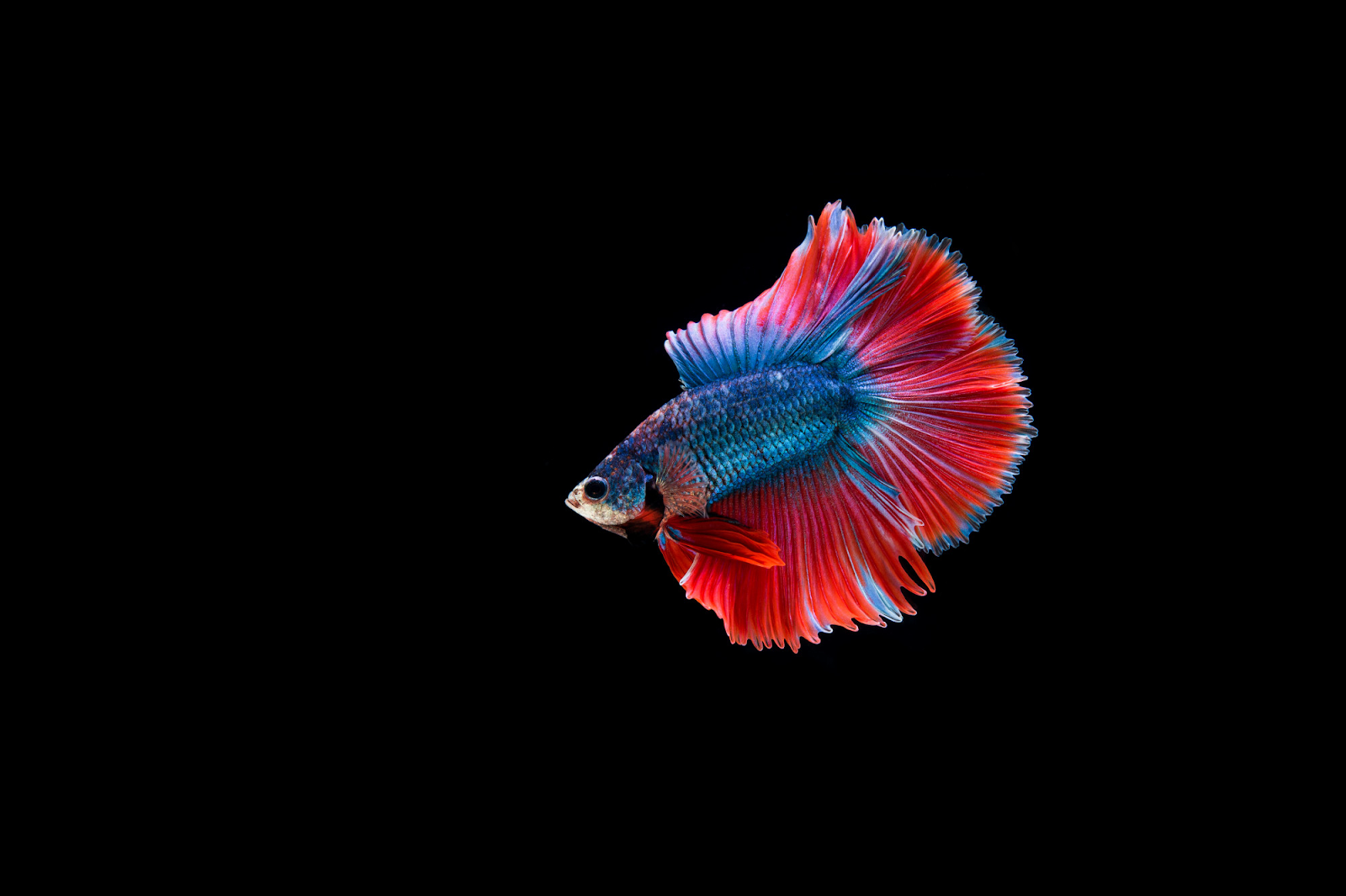
When most people think of Betta fish, they picture the colorful and flowing-finned varieties commonly sold in aquarium stores. These fish are widely known as Siamese fighting fish and are popular among hobbyists because of their vibrant colors and relatively easy care. However, the Betta family is far more diverse than the typical aquarium Betta. In the wild, dozens of Betta species live in rivers, rice paddies, swamps, and slow-moving streams across Southeast Asia.
Wild Betta fish species are often very different from the domesticated Betta splendens seen in pet shops. Their behavior, appearance, and habitat preferences reveal a fascinating side of this group of fish that many aquarium keepers are only beginning to explore.
Understanding Wild Betta Fish Species
Wild Betta fish belong to a large genus that includes more than 70 known species. These species are native to countries such as Thailand, Indonesia, Malaysia, Cambodia, and Vietnam. Unlike the brightly colored domestic Bettas bred for aquariums, many wild species have more natural and subdued colors.
Wild Bettas often display shades of brown, green, red, or iridescent blue, which help them blend into their natural surroundings. This camouflage protects them from predators and helps them hunt small insects and crustaceans in their environment.
Some well-known wild species include Betta imbellis, Betta smaragdina, and Betta mahachaiensis. Each species has unique characteristics and behaviors that make it interesting for aquarium enthusiasts who want to explore beyond traditional Bettas.
Appearance Differences Between Wild and Domestic Bettas
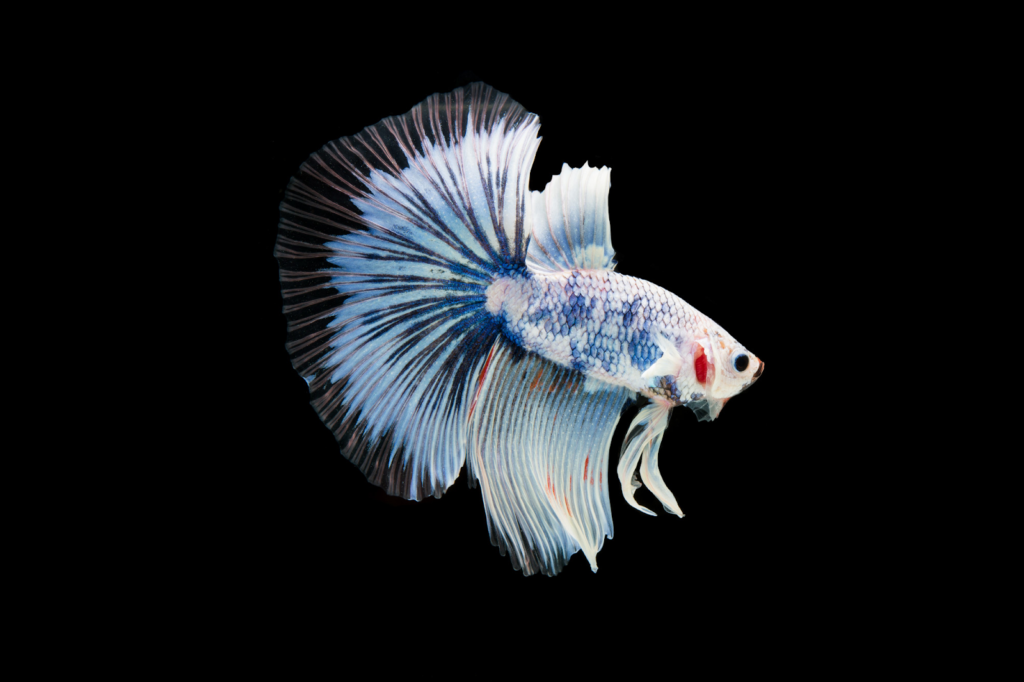
One of the most noticeable differences between wild Bettas and domestic aquarium Bettas is their appearance. Domestic Bettas have been selectively bred for decades to produce long fins, bold colors, and dramatic tail shapes such as halfmoon, crowntail, and veiltail.
Wild Bettas, in contrast, usually have shorter fins and more streamlined bodies. Their colors are often more subtle, but they still possess beautiful iridescent scales that shimmer under light. Because they have not been selectively bred for exaggerated features, wild Bettas tend to have a more natural body structure.
This natural form often makes them stronger swimmers and more adaptable to varying environmental conditions compared to their ornamental relatives.
Behavior and Temperament
Domestic Betta splendens are famous for their aggressive behavior, especially among males. This reputation has led many people to believe that all Bettas are extremely territorial and cannot live with other fish.
However, many wild Betta species display different behavior patterns. While some males can still be territorial, others are significantly less aggressive and may tolerate tank mates under the right conditions.
In addition, some wild Bettas exhibit fascinating breeding strategies. While Betta splendens are bubble nest builders, certain wild species are mouthbrooders. In mouthbrooding species, the male carries fertilized eggs in his mouth until they hatch, protecting them from predators.
These behaviors make wild Bettas particularly interesting for aquarists who enjoy observing natural fish behavior.
Habitat and Environmental Needs
Wild Betta species come from diverse habitats that influence their care requirements in captivity. Many species live in shallow, slow-moving waters such as rice paddies, forest streams, and peat swamps.
These environments are often warm, soft, and slightly acidic. Leaf litter, submerged roots, and dense vegetation provide shelter and breeding areas.
Replicating these natural conditions in an aquarium can help wild Bettas thrive. Aquariums with gentle filtration, plenty of plants, and subdued lighting often work best. Adding driftwood and Indian almond leaves can also mimic their natural environment.
Maintaining stable water parameters is essential because wild Bettas can be more sensitive to changes than domesticated strains.
Why Aquarists Are Interested in Wild Bettas
Interest in wild Betta species has grown among aquarium hobbyists who want to experience fish in a more natural form. Many enthusiasts appreciate the subtle beauty, unique behaviors, and conservation value of these species.
Keeping wild Bettas can also contribute to preserving rare species through responsible breeding in captivity. Some species are threatened in the wild due to habitat loss, pollution, and urban development.
By learning about wild Bettas and supporting ethical breeders, aquarists can help promote awareness and conservation of these fascinating fish.
Conclusion
Wild Betta fish species offer a fascinating glimpse into the natural diversity of the Betta genus. Compared to the ornamental Betta splendens commonly found in aquariums, wild Bettas often have subtler colors, different behaviors, and unique breeding strategies.
Understanding their natural habitats and care requirements allows aquarium enthusiasts to appreciate these fish beyond their decorative value. For those interested in expanding their aquarium experience, exploring wild Betta species can be both rewarding and educational.
FAQs
What are the wild Betta fish species?
Wild Betta fish are naturally occurring species of Betta found in Southeast Asia. They differ from domesticated Bettas in appearance, behavior, and habitat.
Are wild Bettas more aggressive than aquarium Bettas?
Not always. Some wild species are territorial, but many are less aggressive than domesticated Betta splendens.
Can wild Bettas live in a regular aquarium setup?
Yes, but they often prefer natural-style tanks with plants, soft water, and gentle filtration.
Why are wild Betta species important for conservation?
Many species face habitat loss, and responsible aquarium breeding can help preserve them and raise awareness about their protection.