

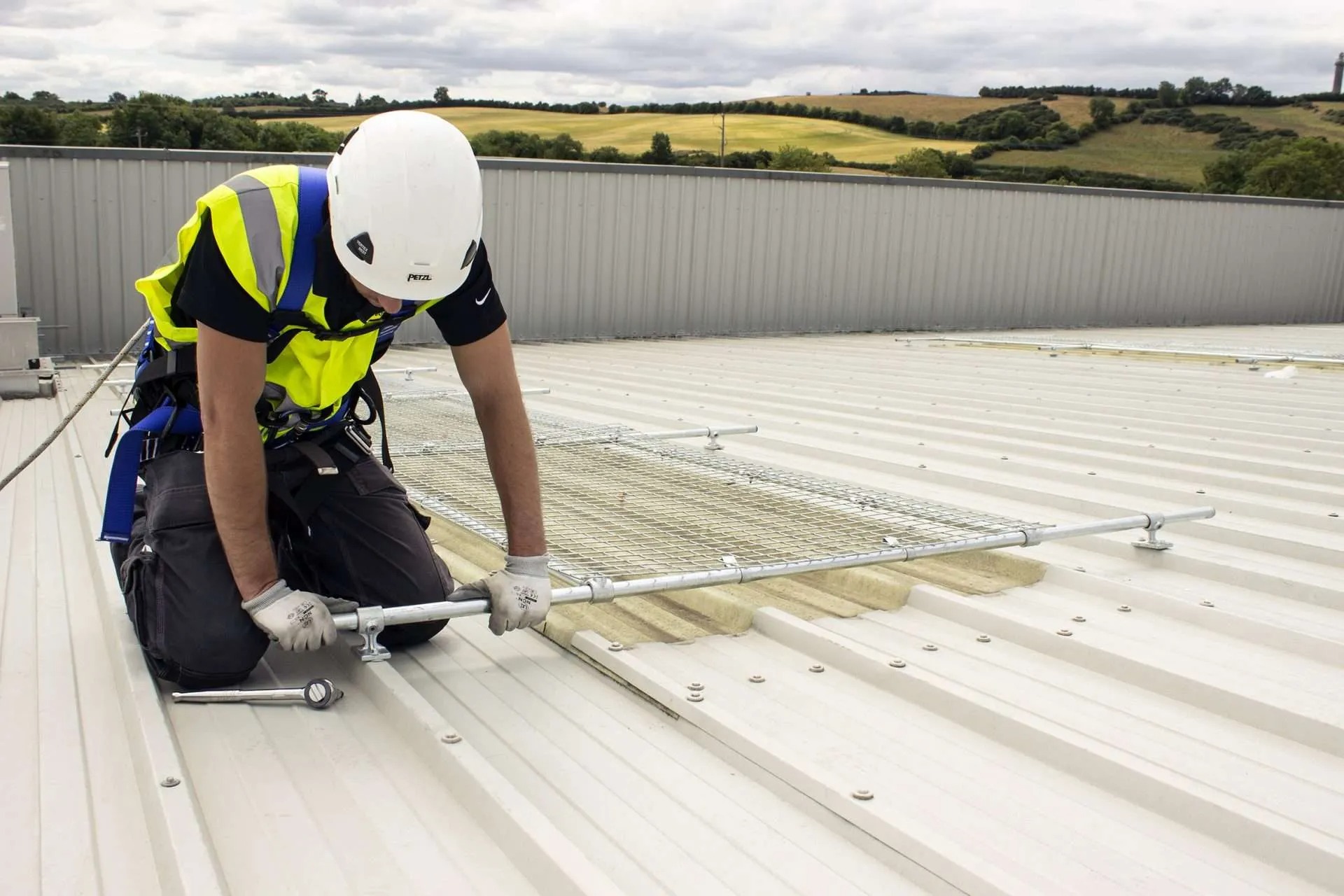
Working at heights presents a significant risk to safety, with falls remaining one of the leading causes of fatalities in the construction and maintenance sectors. It is essential for businesses in these industries to implement comprehensive systems for fall protection on roof areas to safeguard workers and comply with safety regulations.
The Importance of Fall Protection
Fall protection systems are critical not only for legal compliance but also for protecting the well-being of workers. These systems serve to prevent fall-related incidents, minimise injuries, and ultimately save lives. Implementing effective fall protection solutions also promotes a culture of safety, encouraging workers to adhere to safety practices as they recognise the organisation’s commitment to their welfare.
Understanding the Types of Fall Protection Systems
There are several types of fall protection systems designed to secure workers on roofs. These include guardrails, safety nets, personal fall arrest systems, and warning line systems. Each of these solutions plays a vital role in mitigating risks associated with working at heights, and their selection depends on the specific requirements of the job site.
Guardrails
Guardrails are one of the most common and effective solutions for fall protection on roofs. They serve as a passive barrier between the worker and the edge of the roof, preventing falls without requiring active involvement from the worker. Guardrails are ideal for long-term projects where the risk of falling needs to be continuously mitigated.
Safety Nets
Safety nets offer another layer of protection, typically installed under a work area to catch workers in the event of a fall. While they do not prevent falls, they significantly reduce the risk of injury by offering a safe means of arrest.
Personal Fall Arrest Systems
These systems include harnesses and lifelines that workers wear to prevent falls. Personal fall arrest systems are essential in environments where guardrails or nets are infeasible. They require proper training for effective use, ensuring the worker is equipped and the system is correctly anchored.
Warning Line Systems
Warning line systems are barriers erected along the roof perimeter to warn workers of the approaching edge. They are typically used in conjunction with other fall protection systems, providing visual alerts to enhance on-roof safety.
Choosing the Right Fall Protection Solution
The choice of fall protection systems depends on various factors, including the structure of the roof, nature of the work, and specific safety requirements of the site. It is imperative to conduct a thorough risk assessment to determine which systems best address the potential hazards.
Compliance with Safety Regulations
Adhering to safety regulations is obligatory. Organisations must familiarise themselves with relevant legislation and standards related to fall protection. Regular audits and inspections should be conducted to ensure systems are in compliance and functioning correctly. Failure to adhere can lead to severe legal consequences and endanger workers’ lives.
Training and Awareness
Training plays a crucial role in the effective deployment of fall protection systems. Workers must be educated on the risks of working at heights, the correct use of safety equipment, and emergency response procedures. Regular drills and updated training sessions can help maintain high safety standards on site.
Innovations in Fall Protection
Advances in technology have led to innovative solutions in fall protection systems. Automated systems now provide real-time data and monitoring, allowing for pre-emptive identification of risks and swift responses to potential hazards, thus enhancing on-roof safety measures.
Maintaining Equipment and Infrastructure
Regular maintenance of fall protection equipment is necessary to ensure its continued effectiveness. Inspections should be routinely conducted to check for wear and tear. Proper maintenance protocols help extend the lifespan of safety systems and ensure consistent protection for workers.
The Role of Management in Safety
Management must champion safety initiatives by allocating resources for proper equipment and training. Leadership commitment to safety can have a profound impact on the company culture, leading to more proactive risk management practices by all employees.
Conclusion
Ensuring safety at heights with the appropriate fall protection on roof solutions is not just a legal obligation but a fundamental aspect of worker safety. By implementing comprehensive systems, organisations can mitigate risks, protect their workforce, and promote a safe working environment.