

The choice of flooring is a critical decision in shaping the aesthetic, functionality, and value of your home. Among the myriad options available, engineered hardwood flooring stands out as a versatile and innovative solution. Offering numerous benefits, this flooring selection combines the natural allure of hardwood with advanced engineering, cultivating a space that emanates sophistication while standing up to the demands of contemporary living.
The Construction of Engineered Hardwood Flooring
Engineered hardwood flooring is composed of multiple layers, with a solid wood top layer and a sturdy core made of plywood, hardwood, or high-density fibre. These layers are bonded under high pressure, resulting in flooring that maintains the appearance of traditional hardwood while providing added stability and resistance to environmental changes.
With engineered hardwood, homeowners can enjoy the classic look of species like oak, maple, or cherry, without the complications that typically arise with solid wood floors. The precision in engineering ensures a product that can endure temperature fluctuations and humidity with far less expansion and contraction, reducing the risk of warping or cracking over time.
A Symbiosis of Durability and Aesthetics
One of the foremost advantages of engineered hardwood flooring is its durability. Thanks to its multi-layered structure, this flooring variant maintains its shape and stability even in conditions that could cause traditional hardwood to fail. The top layer of real wood means there’s no compromise in the visual appeal; it can be sanded and refinished, depending on the thickness, to manage wear over the years, breathing new life into the flooring as needed.
The aesthetic flexibility that engineered hardwood provides is another significant benefit. Available in a variety of finishes, colours, and wood species, it can adapt to a range of interior design styles from modern to classic.
Ease of Installation and Maintenance
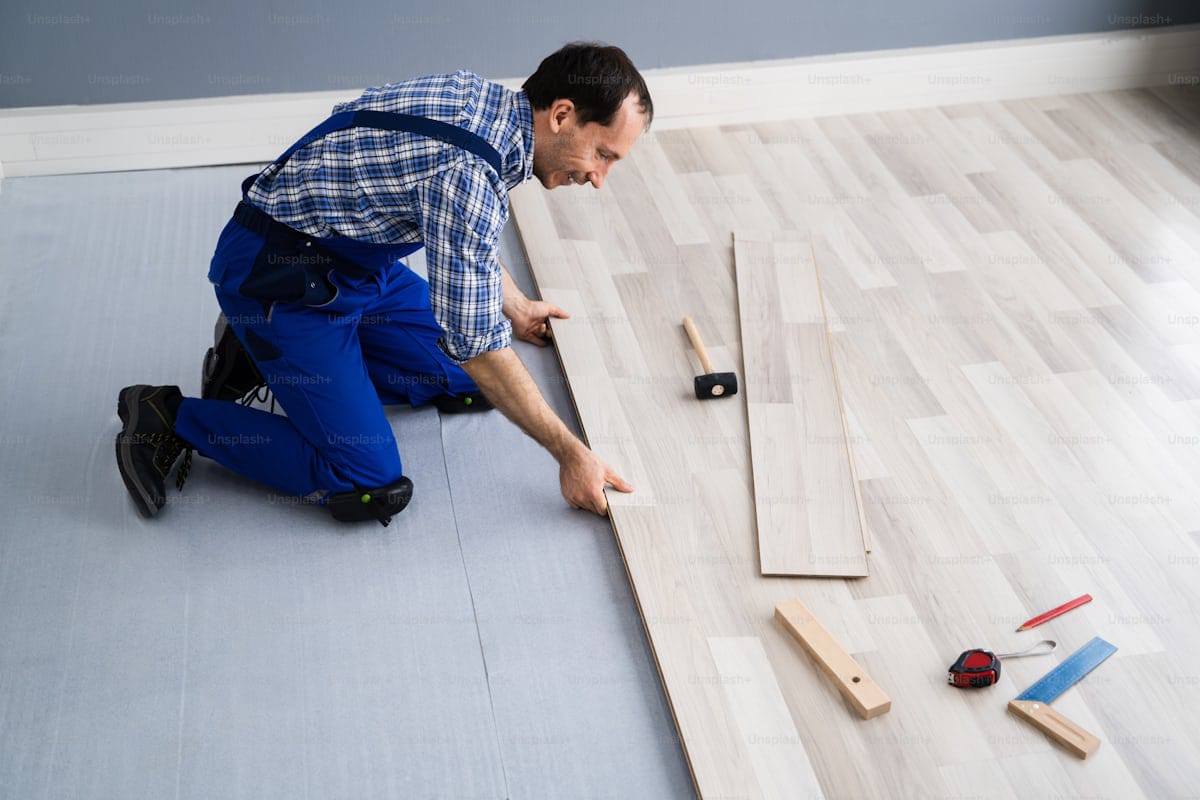
For many homeowners and installers, the ease of installation of engineered hardwood flooring is a significant draw. Options such as floating floor systems allow the planks to be clicked into place without the need for nails or glue, which simplifies the installation process and makes it less invasive. Moreover, this flooring type is amenable to various subfloor materials, making it an adaptable choice for different home environments.
Maintenance is straightforward when it comes to engineered wood floors. Regular sweeping and occasional mopping with an appropriate cleaning solution is typically all that is needed to keep the floors looking pristine. The hardwearing nature of the wood surface also means that it can stand up well to daily foot traffic, pets, and the occasional spill, making it a practical solution for active households.
Sustainability and Environment Considerations
In an era where sustainability is increasingly important, engineered hardwood flooring provides an ecologically sound option. The efficient use of wood in its construction means fewer trees are required compared to solid wood floors. Furthermore, some manufacturers use sustainably-sourced wood or recycled materials for the core layers, offering an environmentally responsible alternative without compromising on quality or style.
Longevity and Cost-Effectiveness
When considering the long-term value, engineered hardwood flooring offers excellent longevity. The investment might be more significant upfront compared to some other types of flooring, but its potential to last for decades can make it a cost-effective choice in the long term. Coupled with the fact that it can help elevate the resale value of your home due to its enduring appeal, engineered wood can be seen as a smart financial decision.
Another consideration is underfloor heating compatibility. Engineered hardwood flooring is conducive to underfloor heating systems, which cannot be said for all floor types. This adds to the comfort and luxury of your home while ensuring energy efficiency, further accentuating its long-term value.
Acoustic Properties
A lesser noted but valuable feature of engineered hardwood flooring is its acoustic benefits. The layered construction often results in better sound absorption than solid wood or laminate flooring, making it an ideal choice for apartments or multi-level homes where noise reduction is a priority.
Choosing the Right Engineered Hardwood Flooring
Selecting the perfect engineered hardwood flooring for your space involves considerations of thickness, wood species, finish, and installation methods. While thicker veneers offer the option of multiple refinishings, the choice of species and finish can dramatically affect the room’s ambiance. It’s important to consider how the floor will complement furniture, lighting, and overall decor to create a cohesive look.
Finding a quality supplier is also crucial. Renowned manufacturers will provide a range of options and ensure that your flooring meets high standards of production and sustainability.
Conclusion
Engineered hardwood flooring represents an intelligent blend of form and function, offering homeowners a multitude of practical advantages while never sacrificing style. Durability, ease of maintenance, environmental efficacy, and a timeless aesthetic make it an excellent choice for those seeking to elevate their living space. By choosing engineered hardwood, homeowners invest in a floor that not only looks and feels luxurious but also withstands the test of time, making it a worthwhile addition to any home.
With careful selection and proper care, your engineered hardwood floors can serve as the foundation for a home that is both elegant and welcoming, a true testament to modern advancements in home design and material science.