

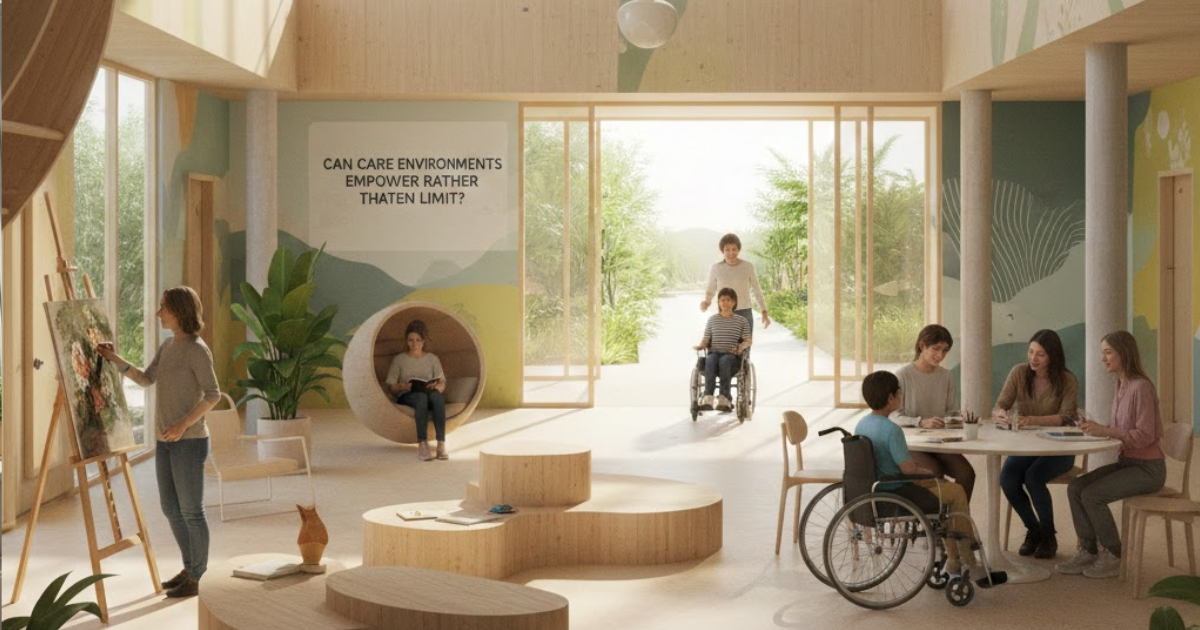
When many people think of care homes, images of routines, restrictions, and dependence often come to mind. But care environments today are evolving. Far from being places that simply provide support, they are increasingly spaces that empower residents to live with purpose, dignity, and autonomy.
Empowerment in care is not about ignoring needs or downplaying support. It is about creating conditions where individuals can continue to make choices, explore interests, and remain active participants in their own lives. So, the question becomes not just what care does, but how it does it. Can care environments empower rather than limit? The answer in many forward-thinking settings is yes, and in ways that enrich everyday life.
Rethinking the Purpose of Care
Traditional models of care have often prioritized safety and routine over personal choice. While safety remains essential, its dominance can unintentionally overshadow individuality and agency.
A modern perspective reframes care as a partnership. Rather than simply meeting physical needs, empowering care environments work with residents to support their aspirations, preserve their identity, and enhance their quality of life.
Choice as a Cornerstone of Empowerment
One of the most powerful ways care environments empower individuals is by prioritizing choice. This goes beyond standard questions about meals or clothing. It includes decisions about:
- Daily routines
- Social activities
- Personal hobbies and interests
- How time is spent throughout the day
When residents make decisions about their own lives, even in small ways, they feel more in control and self-directed. Empowerment grows when people feel their preferences matter.
Personalized Support for Individual Strengths
Empowerment thrives when care recognizes who a person is, not just what they need help with. Personalized support plans that reflect a resident’s history, talents, and preferences encourage them to build on strengths rather than focus solely on limitations.
In this way, care can become a platform for ongoing growth, connection, and meaning.
Creating Social Spaces That Foster Connection
Human beings are inherently social, and connection plays a key role in empowerment. Thoughtfully designed communal areas and purposeful activities help residents interact naturally, build friendships, and feel part of a community.
These connections help residents exchange ideas, share stories, and continue to shape their social world, reinforcing a sense of belonging and agency.
Environments That Promote Freedom Within Support
Empowerment does not mean removing boundaries or oversight. Rather, it means creating environments where support coexists with freedom. For example, accessible garden spaces, flexible daily schedules, and opportunities for residents to participate in decision-making reinforce independence while maintaining safety.
When residents feel they can do things, not just have things done for them, their confidence and wellbeing flourish.
Training Staff to Encourage Agency
Empowerment is also about how staff interact with residents. When care teams are trained to listen actively, ask open questions, and encourage exploration rather than simply directing tasks, residents experience more autonomy.
A compassionate approach in which caregivers act as enablers rather than managers strengthens resident confidence and supports self-expression.
Technology as a Tool for Independence
In many care environments, technology is playing an empowering role. From digital calendars that help residents stay organized to communication tools that keep them connected with family and friends, thoughtful use of technology enhances independence without replacing human support.
These tools can help residents maintain routines, access information, and engage more fully in daily life.
Emotional Support and Empowerment
True empowerment addresses emotional needs as well as physical ones. Care environments that cultivate empathy, respect personal stories, and encourage residents to express emotions openly help individuals feel understood and valued.
Emotional empowerment builds resilience, self-worth, and a stronger sense of identity.
Choosing Care With Empowerment in Mind
Not all care environments approach empowerment in the same way. Families and individuals seeking a supportive but enabling atmosphere may look for settings that value personal choice, encourage social engagement, and respect individuality.
A setting such as a care home in Lichfield that emphasizes both support and personal agency can help residents thrive rather than merely adapt.
Summing Up
Care environments have the potential to do more than manage needs. When they prioritize choice, connection, purpose, and personal strength, they become spaces that empower rather than limit. Empowerment in care means seeing residents as individuals with ongoing potential, preferences, and contributions to make.
In environments that embrace this philosophy, care becomes not just a service, but a partnership — one that honors identity, fosters autonomy, and enriches everyday living.