

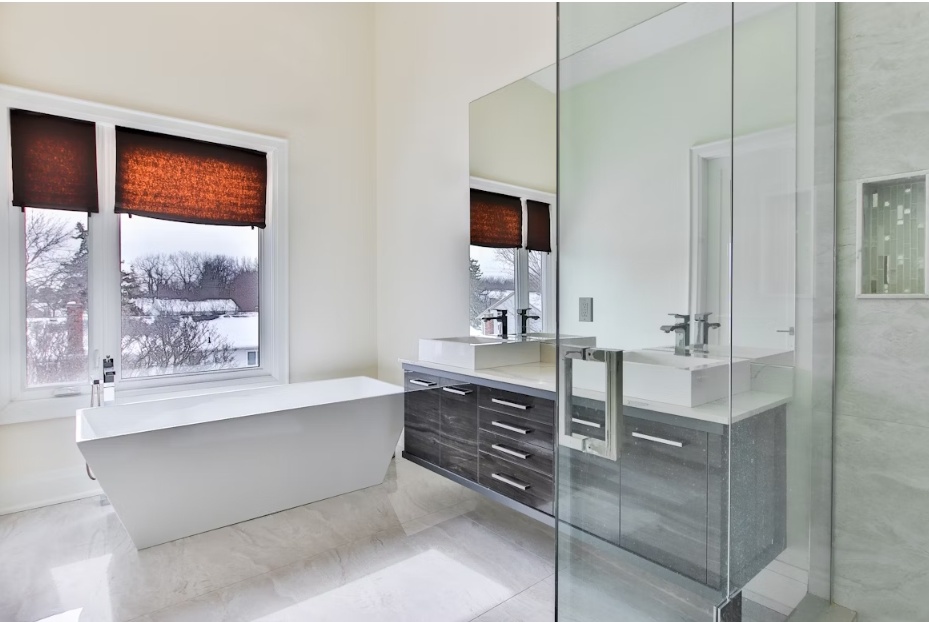
So, you’re in the market for a new bathtub. Congratulations! Few things say “I’ve made it” like the perfect tub. But hold that bubble bath – there’s a catch. You’re about to be hit with an age-old conundrum: acrylic or fiberglass? Sure, they may look like bathtub twins at a glance, but don’t let their surface charms fool you. Underneath, they’re as different as night and day. Let’s dive in (not literally, yet) and see which bathtub best suits your soak sessions.
What Is an Acrylic Bath?
First up, let’s talk acrylic. These baths are born from a fancy process: a colored acrylic sheet gets vacuum-formed, then reinforced with fiberglass – because who doesn’t love a dramatic origin story? This method means your tub’s color goes all the way through; no unsightly chips revealing a different shade beneath. If you do leave a scratch, you can often buff it out – so your bathtub’s ego (and yours) stays intact.
The Pros of Acrylic
Acrylic isn’t just a pretty face. If you relish a good, long soak, you’ll love that it keeps bathwater toasty for ages. The non-porous surface laughs in the face of mold, mildew, and stains, so cleaning is a breeze (or as breezy as cleaning gets). It’s also light as a feather and comes in just about every shape, size, and color you could dream up – because your bathtub should be as extra as you are.
The Cons of Acrylic
But wait for the plot twist: acrylic tubs do tend to be more costly than fiberglass. And while they’re tough, they aren’t invincible; go after them with abrasive cleaners or pointy objects and your bathtub might get a bit…scratched up. Handle with care if you want your tub to stay camera-ready.
What Is a Fiberglass Bath?
Next in our tub showdown: fiberglass, a.k.a. fiberglass-reinforced plastic (FRP) for those in-the-know. Making one is a bit like cake-baking—if you swapped flour for polyester resin and fiberglass, and used a mold instead of a baking tin. The result? A lightweight, affordable bathtub ready to swoop in for your budget bathroom makeover.
The Pros of Fiberglass
If your wallet is already wincing, fiberglass could be your hero. It’s one of the least expensive bathtub materials out there and still keeps things nice and light for easy installation. Ding your bathtub? No drama – fixing it up is simple and usually won’t break the bank.
The Cons of Fiberglass
But before you start planning your fiberglass-themed bathroom, beware: it’s not the sturdiest contender. Its porous nature means water can sneak in and cause warping or cracks over time. The finish likes to stain and fade, and that bottle of harsh cleaner could leave it battle-scarred. In other words, fiberglass isn’t the marathon runner of bathtub materials.
Which Tub Is Right for You?
So, which bathtub wins your heart? (And your cash?) Here’s the deal: it all boils down to what you value most.
If you want bathroom solutions Lakewood residents trust, looks sharp for years, and is the MVP of bathwater warmth, acrylic is your best bet. This superstar is ideal if your Lakewood bathroom needs to impress the crowds or handle daily family traffic.
Chasing savings or outfitting a bathroom that’s “just for guests” or a future renovation? Fiberglass is your trusty sidekick. Perfect for a second bathroom, a rental, or anytime you want to keep those renovation dollars in your pocket. It may not be around forever, but hey, neither are avocado-green bathtubs.
Final Thoughts on Your Bathtub Choice
Acrylic and fiberglass both have their shining moments. Acrylic offers the long-lasting glam, durability, and luxury you’ll thank yourself for each time you reach for the bubble bath. Fiberglass is the down-to-earth, budget-friendly favorite – a solid pick for those less-used spots. Size up the pros and cons, think about how you’ll use it, and you’ll soon have the right tub.