
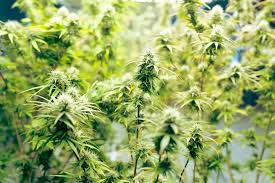
When growers talk about flavor and aroma, they’re usually referring to terpene, the volatile compounds that give each cultivar its signature scent and flavor. In the paragraphs below you’ll get clear, actionable practices that commercial and hobby growers use to maximize terpene expression, plus common pitfalls to avoid. The phrase Cannabis Terpene appears up front as this guide is laser-focused on aroma and sensory quality.
Quick overview: what actually determines terpene levels
Terpene output comes down to two big buckets: genetics (the plant’s blueprint) and the environment (everything the grower controls). When it comes to terpenes in weed, genetics set the ceiling for what a plant can express, while light, temperature, nutrients, stressors, harvest timing, and post-harvest handling determine how much of that potential shows up in the final product. Getting the mix right is how growers turn a good cultivar into a memorable one.
Top grower practices that reliably improve terpene expression
1. Start with the right genetics
If you want strong terpene profiles, begin with genetics known for pronounced aroma. Phenohunting—testing multiple plants from the same breeder line and selecting the most aromatic phenotypes—is a standard step for growers who want consistent terpene-rich harvests.
2. Dial in light quality and intensity
Light drives plant metabolism. Many growers boost terpene expression with higher photosynthetic photon flux densities (PPFD) during flowering and by adding targeted UV-A/UV-B exposure late in bloom. Thoughtful light recipes support resin and terpene biosynthesis without burning plants.
3. Tune temperature and humidity for terpene stability
Terpenes are volatile. Cooler nighttime temperatures in flowering, and slightly lower relative humidity (RH) during the late bloom phase, help plants retain and produce more aromatic oils. Avoid prolonged high heat, which can cause terpene loss on the plant.
4. Feed for balance, not excess
Balanced macro- and micro-nutrients let plants build terpene precursors naturally. Over-fertilizing can shift focus to vegetative growth and reduce aroma intensity. Many experienced growers reduce nitrogen during late flowering to encourage resin and terpene accumulation.
5. Use controlled, mild stress strategically
Moderate, short-term stresses—like brief drought cycles, slight root restriction, or light defoliation—can trigger defense pathways that increase terpene production. The key word is controlled: severe stress reduces yield and can harm terpene content.
6. Time harvest by resin and scent, not calendar
Harvest timing matters. Many growers monitor trichome development and aroma intensity rather than relying solely on days-to-harvest. Picking too early or too late can drop terpene levels; there’s a sensory sweet spot when aromatic compounds peak.
7. Cure and store carefully after harvest
Post-harvest handling often makes or breaks terpene retention. Its importance can’t be overstressed. Slow, low-temperature drying followed by a proper jar cure (with periodic burping) preserves volatile oils. After curing, store away from light, heat, and oxygen—these are the main enemies of terpenes.
Common pitfalls that reduce terpene quality
- Relying only on fertilizer “hacks.” Add-on products claim big terpene gains; some help, but none replace genetics, light, and timing.
- Overdoing stress. What’s beneficial in moderation becomes damaging if repeated or extreme.
- Skipping targeted testing. Not tracking batch COAs and sensory notes makes it hard to learn what actually worked. Keep meticulously detailed records.
- Poor post-harvest care. Fast drying, heat exposure, or careless storage strip aroma faster than almost anything else.
- Ignoring microclimates. Uneven canopy conditions (hot spots, fluctuating RH) create inconsistent terpene expression across a crop.
Practical checklist growers can use now
- Choose proven terpene-forward genetics and phenotype-hunt.
- Map light recipes and test modest UV additions during late flowering.
- Keep nighttime temps cooler and RH moderated in late bloom.
- Shift to balanced, lower-N feeding in the last weeks of flower.
- Apply only mild, controlled stress and document it.
- Harvest by trichome development + scent checks.
- Dry slowly (low heat), cure in glass, and store cool/dark/airtight.
- Keep records: batch notes, COA results, sensory logs — then iterate.
Simple experiments for small growers or R&D teams
- Run two identical clones: full feed vs. reduced N in late flower — compare terpene totals.
- Test a UV-A/UV-B schedule on a split canopy trial, tracking terpene mg/g and aroma impressions.
- Try two drying regimes (fast vs. slow) on the same batch to see curing impact.
Record everything: light, temps, RH, feed, harvest date/time, test results, and sensory notes.
Short FAQ
Q: Do terpenes come back after they’re lost?
A: Once a terpene evaporates or degrades due to heat or light, it can’t be recovered—prevention during harvest and storage is the reliable approach.
Q: Will more UV always increase terpenes?
A: Not always. Moderate, well-timed UV can boost resin and terpenes in some cultivars; overexposure risks stress that reduces yield.
Q: Is there a single “best” fertilizer for terpenes?
A: No single product locks in terpene success. Balanced nutrition, stage-appropriate feeding, and avoiding excess are the priorities.
Maximizing terpene expression is a systems game: genetics set the tone, and grower choices write the details. Small, documented experiments combined with careful harvest and post-harvest handling yield the biggest wins. Use the checklist above, keep good records, and treat terpene production as part science, part sensory craft.