
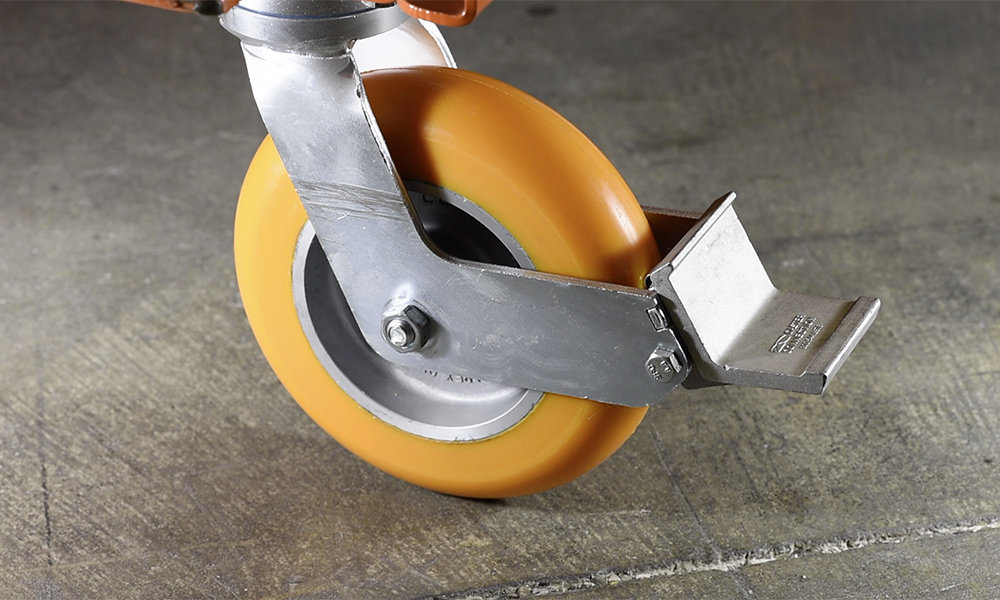
Understanding Load Capacity Requirements
Choosing the right industrial casters for heavy loads starts with accurately gauging the total weight your equipment must support. It’s crucial to account not only for the weight of machinery or transport carts but also for any shifting or added loads throughout operation. By using industrial casters that exceed your minimum capacity requirements, you ensure safe and steady performance while safeguarding workers and asset investments.
Exceeding load requirements by a safety margin—typically 25% above the expected max weight—helps prevent sudden caster failure and prolongs caster life. For example, if your fully loaded cart weighs 2,000 pounds, select casters rated for at least 2,500 pounds. This method, endorsed by workplace safety experts, significantly reduces the risk of breakdowns and costly downtime.
Selecting the Right Wheel Material
The wheel material determines how well casters roll, their traction, and whether they scuff industrial floors. Common materials and their ideal applications include:
- Polyurethane: Excellent for manufacturing and warehousing, this material provides outstanding traction, resists chemicals, and helps protect floors from damage.
- Rubber: Favored in hospitals and quiet zones for its noise-dampening and shock-absorbing qualities. Rubber casters excel on smooth or semi-smooth surfaces.
- Steel & Cast Iron: These heavy-duty options handle rough surfaces and heavy loads in environments such as construction sites and metalworking shops.
- Nylon & Plastic: Lightweight, non-marking, and corrosion-resistant, these wheels excel in moist environments or where exposure to cleaning agents is frequent.
Selecting the correct wheel type directly impacts the efficiency and safety of your workflow.
Considering the Operating Environment
The conditions in which you’ll use your casters play a significant role in your choice:
- Outdoor Use: Look for corrosion-resistant finishes such as stainless steel or zinc plating, which curb rust and premature failure.
- Temperature Extremes: In hot environments, opt for heat-resistant wheels; for freezers or coolers, ensure casters remain flexible and durable at low temperatures.
- Uneven or Rough Surfaces: Casters with pneumatic or shock-absorbing wheels make movement smoother, reducing stress on personnel and equipment.
Ignoring these factors can lead to premature caster wear, safety hazards, and reduced productivity.
Choosing the Right Mounting and Swivel Type
How casters are mounted and how they rotate significantly affect your ability to maneuver heavy equipment:
- Rigid Casters: Designed for straight, controlled movement—ideal for guiding heavy loads down a set path.
- Swivel Casters: Allow for on-the-spot turns and tight navigation, essential in crowded warehouses or manufacturing lines.
- Locking Casters: Prevent unwanted movement, providing safety when loading or operating near inclines.
Pairing rigid and swivel casters on a single unit is common, offering the best mix of control and flexibility based on specific application needs.
Prioritizing Durability and Maintenance Needs
Investing in high-quality, heavy-duty casters can substantially reduce long-term costs and prevent production interruptions. Features to consider include:
- Sealed bearings to block out dust and moisture, ensuring smooth, low-maintenance performance.
- Reinforced steel frames that cope with high-stress conditions and repeated heavy loads.
- User-friendly maintenance features, such as easy-access lubrication points, support regular upkeep and prolong caster life.
Proactive selection of durable models translates to improved operational consistency and lower repair frequency.
Evaluating Wheel Diameter and Size Impacts
Wheel size matters: larger diameters require less force to roll, especially when fully loaded. For example, moving a 2,000-pound cart with 8-inch wheels demands substantially less effort than one with 4-inch wheels, making tasks less physically taxing and boosting workplace ergonomics. According to Wood Magazine, selecting the right wheel model and size is crucial for both performance and safety. Additionally, wider wheels distribute weight more evenly, protecting sensitive floors and reducing the risk of tipping or instability on uneven ground.
Understanding Swivel Construction and Load Capacity
The engineering behind caster swivels directly impacts both maneuverability and maximum load. Advanced options like kingpinless casters discard the traditional central pin, instead distributing stress across the swivel assembly. This design resists shock, wear, and side impacts, making it ideal for industries requiring frequent, heavy-duty movement of machinery or loaded carts.
For continuous heavy-load use—such as in automotive factories or large distribution centers—upgrading to engineered swivels significantly enhances reliability while minimizing repair events.
Considering Maintenance-Free Options
Maintenance-free casters, often featuring sealed, lubricated bearings, are designed to withstand dust, debris, and moisture. This eliminates routine greasing, extends operational uptime, and reduces the total maintenance burden—particularly critical in high-throughput facilities or where labor resources are tight. This added convenience not only streamlines workflow but also helps organizations adhere to safety standards with fewer interruptions. By analyzing your operational requirements and weighing these core considerations, you can confidently select industrial casters that safeguard personnel, improve workflow efficiency, and ensure lasting return on your investment.