Fitting pipes is one of the many things plumbers do daily. Depending on the situation, they either fit new pipes or join pipe ends to create unbroken pipelines. They achieve this with tools like pipe cutters and pipe threading machines.
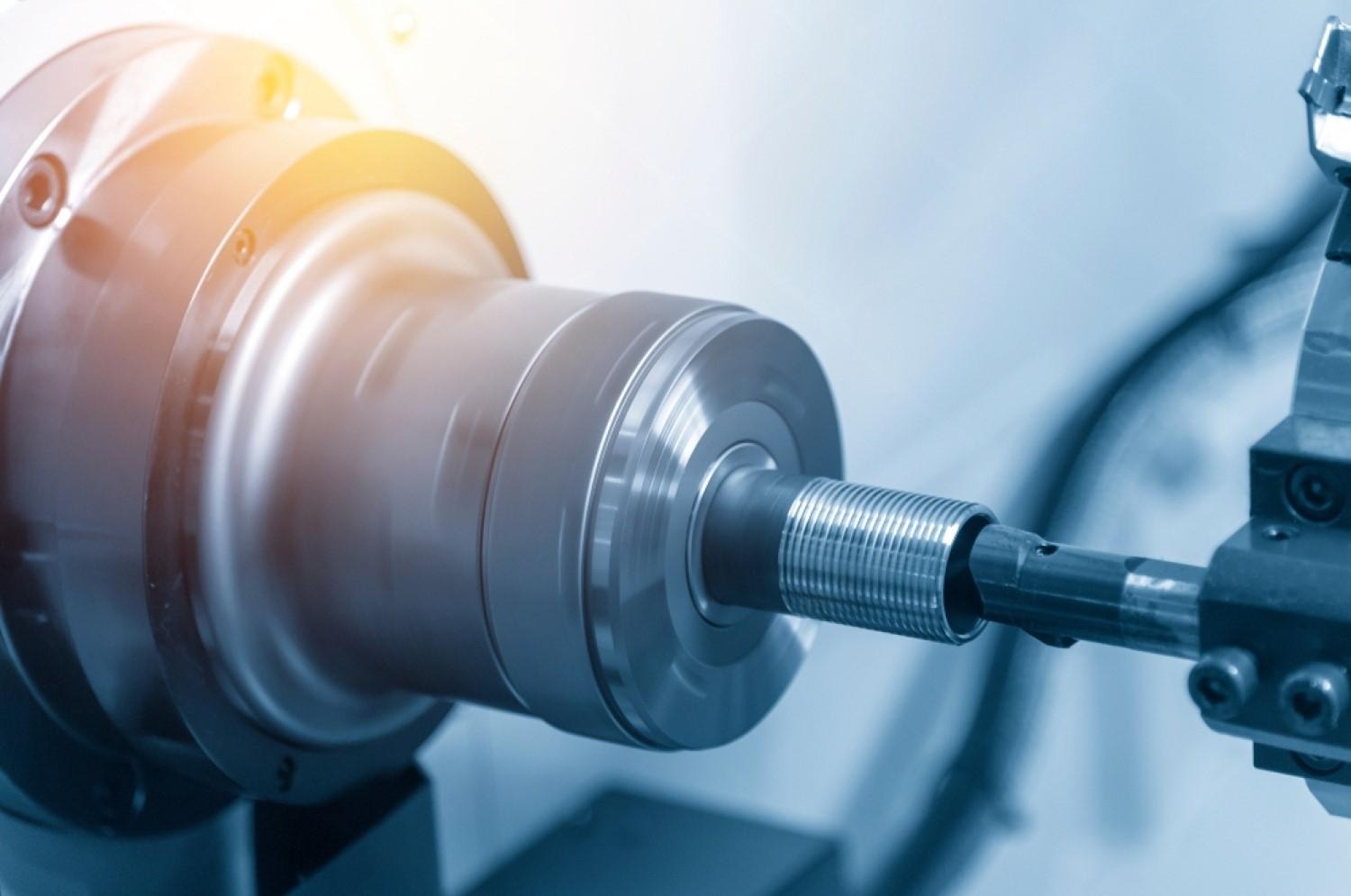
But what exactly are pipe threaders? They are tools that are used to create threads on the ends of pipes. These threads ensure that plumbers can join or fit two pipes together easily. The presence of these threads also ensures strong, leak-proof connections.
Choosing the right kind of pipe threader is important, since it determines how fast and how accurately you’re able to do the job. For instance, using portable pipe threading kits allows plumbers to save time by threading pipes on-site.
In this blog, we’ll discuss the differences between manual pipe threaders and electric threaders and which one you should choose.
How Do Manual and Powered Pipe Threaders Work?
These threaders operate in the following manner:
- Manual Threaders
Let’s take a look at the different components of manual portable pipe threading kits before we explore how they work below.
What Are The Components of Manual Pipe Threading Machines?
- Die heads: Hold the cutting elements that cut the threads on the pipe together.
- Threading Dies: Cut the threads on the pipe.
- Ratchet Handle: Allow the plumbers to turn the die heads and create threads around the pipe.
- Receding Guide: Maintain the pipe’s alignment when the die head is moving along the pipe.
- Adjustable Guide: Control the depth to which the threading dies cut the pipe.
Let’s now understand how plumbers use this tool.
How Do Manual Pipe Threading Machines Work?
First, they attach the pipe to be threaded with the help of a pipe vise. This attaches the pipe firmly in place. They then use a lubricating oil, to reduce the friction that is caused during the process.
After applying the oil, they attach the die head to the pipe end to be threaded. The next thing they attach is the ratchet handle to the die head.
They then rotate the ratchet handle in the right direction to thread the pipe. After they achieve the required depth, they remove the ratchet handle. They do so by turning the handle to the left.
- Powered Threaders (Electric)
Powered Threaders: Electric or battery-operated, automate threading with precision and speed
Let’s take a look at the different components of electric pipe threading machines before we explore how they work.
What Are The Components of Electric Pipe Threading Machines?
- Body: Is the house within which the other components rest or are placed.
- Motor: Helps rotate the machine’s pipe fixing component and powers the machine.
- Reduction box: Regulates the speed and torque from the device to the pipe fixing component.
- Chuck: Is responsible for fixing the pipe in place during the threading process
- Die Head: Is responsible for the shape of the threads and cuts the pipe to form threads
- Cutter holder: Holds the die head in place
- Feed device: Regulates the speed and pressure of the die head on the pipe
- Cooling system: Reduces the heat generated during the threading process
How Do Electric Pipe Threading Machines Work?
An integral part of the plumbing tool kit, the pipe or rod to be threaded is placed in the pipe chuck. They then adjust the die head to achieve the desired cut and power on the motor. The machine begins to work and starts threading.
The feed device continues to regulate the speed and pressure, and pushes the die head towards the pipe to thread it. During the process, the cooling system maintains the temperature levels to prevent undue heat generation.
Understanding the Pros and Cons of Manual Pipe Threaders and Powered Pipe Threaders
As plumbers include the most important things in their plumbing tool kit, it becomes all the more essential to know the distinctions between manual pipe threads and powered pipe threaders so as to make an informed choice according to the task:
| Feature | Manual Pipe Threaders | Powered Pipe Threaders |
| Cost | Budget-friendly, right for small-scale jobs | More expensive, requires ongoing maintenance |
| Portability | Lightweight and can be easily transported | Bulkier, hence needs planning for transportation |
| Threading speed | Slower, especially with thicker pipes | Faster, ideal for time-sensitive tasks |
| Physical effort required | Manual | Motor-driven |
| Thread quality | Inconsistent | Consistent, resulting in better pipe fittings and leak prevention |
| Versatility of use | Compatible with different pipe sizes, but suits small-scale tasks | Handling a wider range of drainage and sink pipes |
| Durability | Will wear and tear under heavy loads | Can sustain heavy-duty use |
Table: A Comparative Table Between Manual Pipe Threaders and Powered Pipe Threaders
The Final Word
Manual threaders are great for simple, small-scale tasks, while powered threaders offer speed and precision for larger, more frequent jobs.
So, the right choice will depend on your budget, project size, and frequency of use.
Choose The Right Threader Today!
Do you need help choosing the right pipe threader for your toolkit? Get in touch with a reputed provider today!