
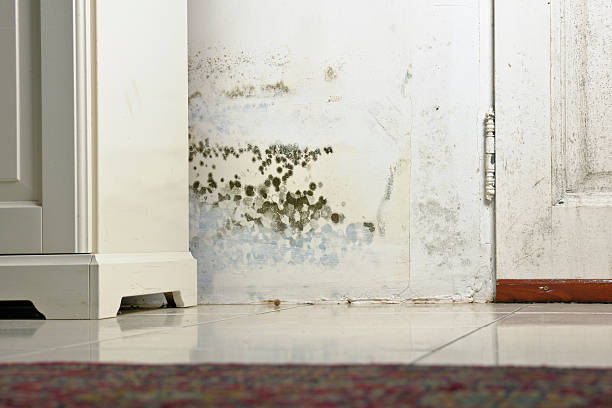
When floodwaters breach your home, the immediate concern is usually the visible destruction—saturated furniture, soggy carpets, and compromised walls. But beyond the damage you can see lies a hidden danger: mold. Within as little as 24 to 48 hours, mold spores can attach to damp surfaces and begin spreading, creating serious health risks and weakening your home’s structural integrity. Acting quickly is essential, but even after the visible water is gone, hidden dampness often lingers in walls, floors, and air ducts. That lingering moisture creates an ideal environment for mold to thrive, leading to costly repairs and potential respiratory issues. This guide explores step-by-step measures to keep your home safe and restore it properly before mold has a chance to grow—and prevent it from becoming a long-term battle against unwanted growths in your home.
1. Make Safety Your First Priority
Before diving into cleanup, protect yourself and your household. Floodwater often carries bacteria, sewage, chemicals, and other harmful contaminants. Always wear gloves, protective clothing, safety goggles, and a high-quality mask (preferably N95 or better). Turn off the electricity in affected areas to avoid electrocution hazards. Once safety measures are in place, you can focus on removing water and beginning the drying process. Remember—every hour counts, as mold spores can begin colonizing within just one to two days after flooding.
2. Remove Standing Water Immediately
Mold thrives in stagnant, moist environments. The longer water sits inside your home, the more extensive the damage becomes. Use submersible pumps, wet/dry vacuums, or buckets to remove standing water. Pay close attention to basements and crawl spaces, as these areas are often hardest hit. After visible water is gone, consider renting professional-grade equipment or hiring specialists to ensure deep water extraction. Carpets, padding, and insulation may need to be pulled up and discarded if they remain saturated.
3. Dry, Ventilate, and Dehumidify Thoroughly
Once water is removed, the next step is reducing indoor humidity to stop mold before it starts. Open windows and doors if the weather allows, and run fans to increase airflow. Position dehumidifiers throughout affected areas to draw moisture from the air and surfaces. Keep indoor relative humidity below 50%, as anything above that encourages mold growth. Using a hygrometer to measure levels can help you track progress and avoid hidden dampness. If you need durable fittings or repair solutions while restoring plumbing or drainage systems, professional-grade options are available—like clamps and couplings you can find with blair supply.
4. Clean and Disinfect Every Surface
After drying, thoroughly clean all hard surfaces with detergent or a mild bleach solution (about one cup of bleach per gallon of water). Focus on corners, crevices, and seams where moisture tends to collect. Don’t neglect walls, floors, and baseboards, even if they don’t appear dirty—mold spores are microscopic and can settle anywhere. Soft and absorbent items such as carpets, mattresses, or upholstered furniture that cannot be completely dried should be discarded, as they are nearly impossible to sanitize once mold begins to spread.
5. Watch for Hidden Moisture
Even when your home looks dry, unseen moisture can remain behind walls, under floors, or within ceilings. These hidden areas are prime territory for mold. Use moisture meters or infrared cameras, if possible, to identify damp spots that might escape notice. A persistent musty smell is often a telltale sign that hidden moisture is fueling mold growth. Don’t ignore it—investigating early can save you from more extensive remediation later.
6. Replace Damaged Materials When Necessary
Drywall, insulation, and particleboard that have been waterlogged are often unsalvageable. These materials act like sponges and can’t be restored to a safe condition. Replacing them with mold-resistant options—such as moisture-resistant drywall or insulation designed to withstand dampness—can protect your home from future issues. If rebuilding after a flood, upgrading materials in vulnerable areas like basements, kitchens, and bathrooms can add long-term peace of mind.
7. Take Preventive Measures Against Future Flood Damage
Flooding isn’t always preventable, but you can take steps to reduce risks. Ensure proper grading around your home so water drains away from the foundation. Keep gutters and downspouts clear, and extend them away from your home to prevent pooling near walls. Inspect plumbing regularly for leaks, and reinforce vulnerable entry points like windows and doors. Installing sump pumps or backflow valves may also protect during heavy storms or sewer backups.
8. Consider Professional Mold Remediation
If you notice mold spreading across large areas, or if your efforts don’t eliminate lingering odors and dampness, professional remediation may be necessary. Specialists use advanced tools to locate hidden moisture, contain the spread, safely remove contaminated materials, and restore affected areas. While DIY cleanup works for small, localized problems, extensive contamination requires expert attention to ensure your home is safe and mold-free.
9. Protect Your Health
Mold isn’t just a property issue—it’s a health concern. Prolonged exposure can trigger allergic reactions, respiratory issues, and worsen asthma symptoms. Young children, elderly adults, and those with weakened immune systems are particularly vulnerable. Taking quick action after a flood doesn’t just protect your home; it safeguards the well-being of everyone who lives there.
Final Thoughts
Flooding is stressful, but it doesn’t have to lead to long-term mold problems. By responding quickly, drying thoroughly, disinfecting diligently, and monitoring humidity, you can often stop mold before it takes hold. For larger problems, professional remediation ensures thorough and safe results. Acting decisively not only protects your investment but also ensures your home remains a healthy, comfortable environment for years to come.