
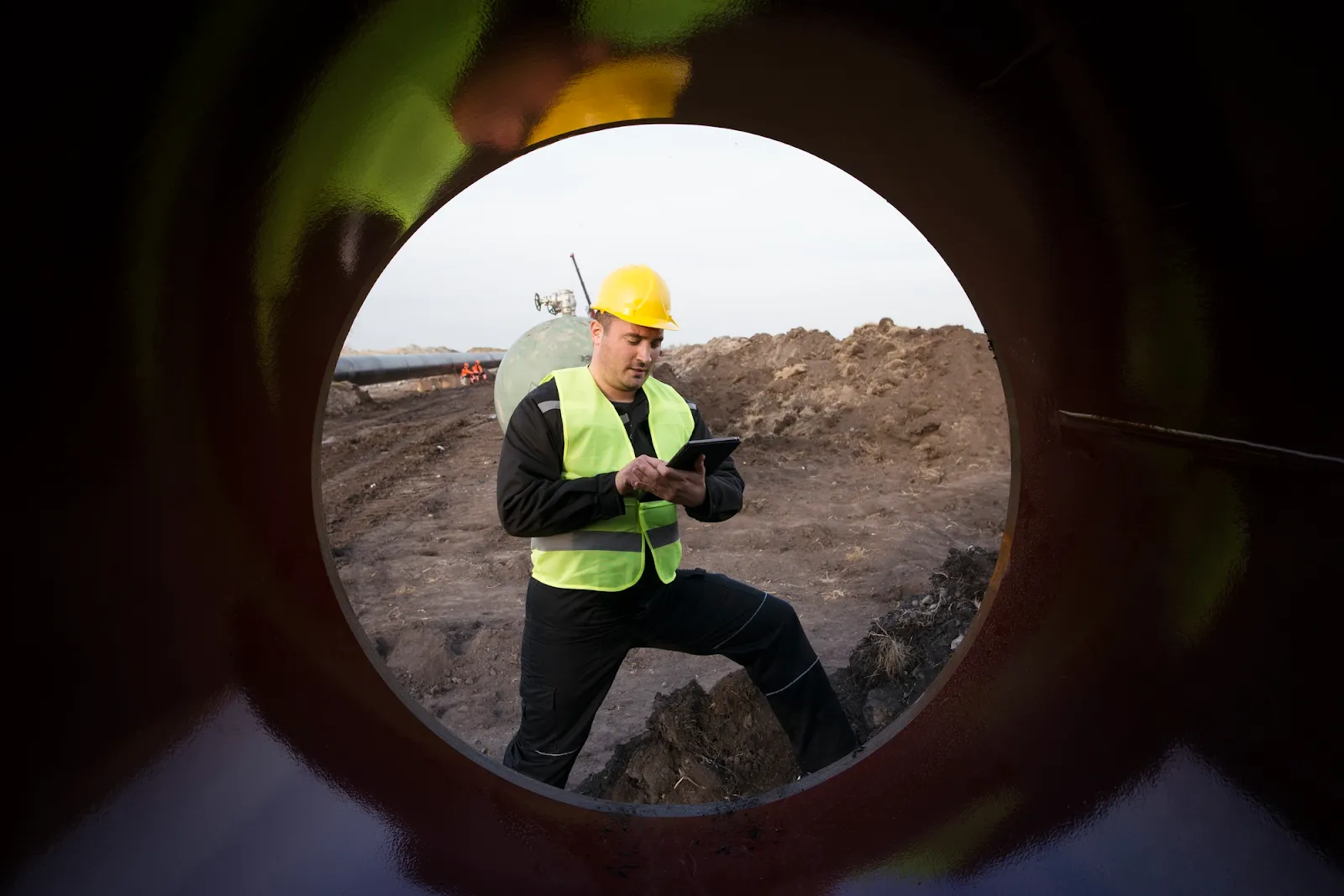
The first image that often comes to mind when facing a sewer line issue is familiar: torn-up driveways, damaged landscaping, heavy machinery parked in front of the house. It’s a deeply ingrained perception, built over decades when open trench excavation was the only option for repairing or replacing sewer lines. Yet, underground installation technology has advanced into areas that were once reserved for large-scale public infrastructure. Today, trenchless solutions are increasingly available to residential property owners, commercial property managers, and mid-scale developers. What’s surprising is how little known these options remain among those who could benefit most.
The technology beneath the surface
Unlike traditional methods that rely entirely on full access to the pipeline via excavation, trenchless technologies operate from within the pipe system itself. These techniques optimize subsurface space, allowing full pipe replacement or repair through just two small access points—an entry and an exit. This characteristic is precisely what minimizes landscape disruption, traffic interference, and, ultimately, restoration costs.
Many of these techniques originated in large-scale municipal engineering projects. Water mains, gas lines, and major sewer networks were the early testing grounds. Over time, the technology refined itself, becoming suitable for smaller-scale environments such as condo drain lines, restaurant sewer systems, or single-family residential plumbing.
Identifying when trenchless replacement may be needed
Before exploring specific methods, property owners should recognize the signs that may indicate their sewer line requires attention. Early indicators include frequent backups, persistent sewer odors, ground sinking above buried lines, and invasive tree roots infiltrating pipes. In some cases, homeowners attempt multiple minor repairs before realizing that full replacement is more cost-effective in the long run. Delaying intervention can allow damage to spread, increasing the risk of foundation issues or extensive property damage that complicates repairs.
Different methods for different needs
The term trenchless actually refers to a family of methods, each adapted to specific situations based on the type of pipe, its condition, material, surrounding terrain, and available access points.
Pipe bursting is one of the most widely used solutions when the existing pipe is too deteriorated to reuse. It involves inserting a conical head that fractures the old pipe while simultaneously pulling the new pipe into place. This process can maintain or even enlarge the original pipe diameter, depending on the client’s future needs.
Slip lining slides a slightly smaller-diameter pipe inside the existing line, sealing the gap between the two with epoxy or high-strength resin. This option is viable when the original conduit retains enough structural integrity.
The cured-in-place pipe (CIPP) method lines the interior of the pipe using a flexible sleeve saturated with resin, which is then cured through heat or UV light until hardened. This is particularly valuable when access is limited or disruptive excavation is impractical.
In certain cases, horizontal directional drilling (HDD) allows entirely new lines to be installed while avoiding underground obstacles like building foundations, roadways, or landscaped areas, with precise control over both depth and trajectory.
What all these methods share is minimal surface disruption: small entry pits at each end of the pipe section are usually sufficient to complete the replacement.
How contractors evaluate trenchless viability
Not every sewer line replacement is automatically suited for trenchless methods. Several factors influence whether a property qualifies for this approach:
- Pipe depth: Trenchless becomes especially valuable for deeper pipes that would require extensive excavation.
- Existing pipe material: Fragile or collapsed materials may favor pipe bursting, while more stable pipes could allow for slip lining or CIPP.
- Soil conditions: Sandy or loose soils may require additional stabilization, while rocky ground can challenge drilling equipment.
- Surrounding infrastructure: Proximity to utility lines, foundations, or underground structures may affect method selection.
- Access points: Sufficient space for entry and exit pits is necessary, even if excavation is minimal.
- Permit regulations: Local building codes and city ordinances may define which methods are permitted.
Experienced trenchless contractors typically conduct a thorough assessment to determine the safest and most effective solution for each property.
Beyond residential applications
While much demand comes from homeowners seeking to avoid damage to landscaping and driveways, trenchless sewer line replacement has proven highly valuable across many commercial and development scenarios.
Restaurants, retail stores, schools, athletic complexes, and administrative buildings benefit from the ability to remain operational throughout the repair process. The capacity to complete replacements without business downtime is often the decisive factor compared to traditional excavation.
For real estate developers and general contractors, trenchless technology can accelerate project timelines, avoid complex excavation permitting processes, and reduce post-construction complaints related to poorly restored surfaces or infrastructure damage.
The real cost advantage of trenchless
At first glance, property owners may perceive trenchless solutions as an advanced—and therefore more expensive—alternative. In reality, the financial benefit becomes clear when considering hidden costs tied to conventional excavation:
- Restoring driveways, walkways, or patios after digging.
- Repairing landscape features such as trees, fences, or irrigation systems.
- Renting heavy excavation machinery for prolonged periods.
- Disrupting access to the property for weeks.
- Delaying business operations or inconveniencing tenants.
By eliminating these secondary expenses, trenchless often proves not only competitively priced but more economical once restoration costs are factored in. In many cases, the total project time is significantly reduced, allowing properties to return to full use much faster.
Overcoming misconceptions
The biggest obstacle slowing the broader adoption of trenchless sewer line replacement isn’t technical—it’s informational. Many property owners simply don’t realize the option exists. Others mistakenly assume it’s only available for municipalities or utility companies.
There’s also a lingering misconception that trenchless solutions are experimental or less durable. In truth, modern trenchless installations use materials like high-density polyethylene (HDPE) and epoxy resins that meet or exceed the lifespan of conventional piping, with durability measured in decades.
A shift that’s already underway
As buildings continue to age and property owners seek less disruptive ways to handle necessary repairs, trenchless methods are increasingly becoming a standard part of sewer infrastructure maintenance. Their adoption reflects not only technological advancement but also a shift in priorities—one where preserving property value, minimizing disturbance, and shortening project timelines all play critical roles.
Property owners evaluating sewer replacement today have more options than ever. Understanding how trenchless methods work, when they apply, and how qualified contractors assess project feasibility is the first step toward choosing solutions that protect both the property—and the owner’s peace of mind.


