In an era where businesses face myriad threats, from cyber attacks to physical break-ins, the importance of robust commercial security cannot be overstated. Ensuring your business safety should be a top priority for every organisation. This article delves into the various aspects of commercial security solutions that business owners must consider to safeguard their assets, intellectual property, and people.
Understanding the Spectrum of Commercial Security
Commercial security spans a vast array of measures, technologies, and strategies designed to protect businesses from harm. It’s a multi-faceted concept that includes physical security, such as CCTV installations and access control systems, as well as digital security measures like firewalls and encryption.
For many businesses, the thought of navigating the complexities of commercial security can be daunting. However, understanding the available security solutions and how they can be tailored to meet specific needs is the first step in ensuring a protected business environment.
The Pillars of Physical Security
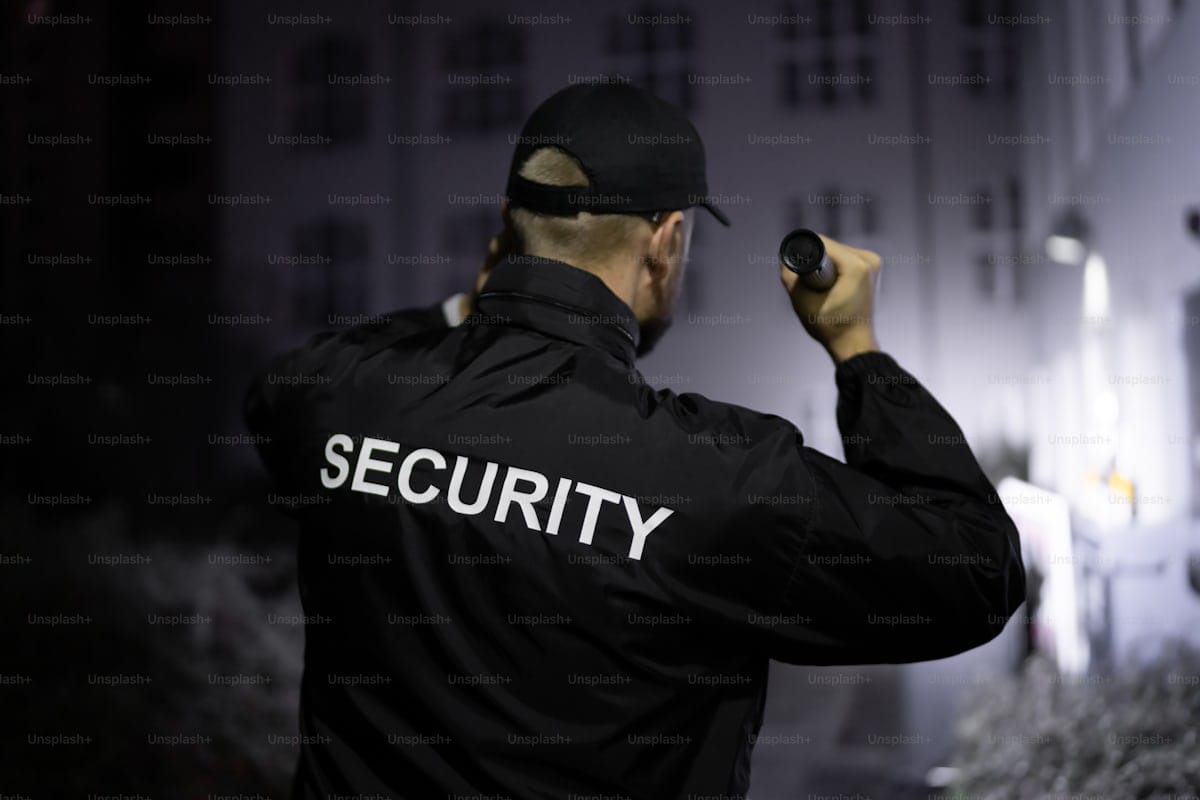
Physical security constitutes the first line of defence against intrusions and theft. Essential elements include strategically placed surveillance cameras, sturdy locks, alarm systems, and controlled access points. These measures not only deter potential intruders but also enable swift responses in the event of any security breach.
In addition, employee security training plays a crucial role in recognising and responding to risks effectively. Staff should be well-versed in the company’s security protocols and understand their individual responsibilities in maintaining a secure premise.
Digital Defence: Cybersecurity Essentials
In today’s digital age, cybersecurity is just as critical as physical security measures. Just as burglars can break into a building, cybercriminals can infiltrate a company’s network and access sensitive data. Firewalls, anti-virus software, and secure network architectures are the bedrocks of a solid cybersecurity strategy.
Regular updates, patches, and monitoring are necessary to stay ahead of potential cyber threats. In addition, businesses must ensure that they are compliant with data protection regulations to avoid legal repercussions and maintain customer trust.
Customising Security Solutions for Your Business
Every business is unique, with its own set of risks and vulnerabilities. Hence, a one-size-fits-all approach to security is ineffective. Tailored security assessments are critical in identifying the specific needs of a business, leading to the development of a custom security plan.
Whether it’s a retail store requiring high-definition cameras to monitor transactions or a corporate office needing sophisticated access control for sensitive areas, custom solutions are the way forward. This personalisation extends beyond the physical realm; it also covers digital security measures that align with the business’s operational practices.
Staying Ahead with Advanced Security Technology
As technology evolves, so do the capabilities of security systems. Advanced security solutions now offer features such as real-time monitoring, facial recognition, and automated alerts. Integrating these technologies into a business’s security infrastructure can provide comprehensive protection and peace of mind.
For instance, modern surveillance systems are capable of high-resolution imaging, even in low-light conditions, ensuring that no detail goes unnoticed. Moreover, smart analytics can help businesses make sense of security data, turning raw footage into actionable insights.
Integration with Business Operations
A key aspect of effective security solutions is their integration with other business systems. For example, access control can be linked to employee attendance systems, streamlining operations while enhancing security. Similarly, security alerts can be set up to notify management or security personnel directly on their mobile devices, enabling instant response to any incidents.
Integrating security with business operations not only improves efficiency but also ensures that security measures are less intrusive and more aligned with daily workflows.
Innovations in Security: The Future Outlook
Looking ahead, the landscape of commercial security continues to transform with innovations such as the Internet of Things (IoT) and Artificial Intelligence (AI). These technologies have the potential to revolutionize security systems, offering even more sophisticated and proactive protection strategies.
IoT devices can offer interconnected security features, from motion detectors to smart locking mechanisms, that communicate with each other to create a seamless security network. AI, on the other hand, can provide predictive analytics, identifying potential threats before they materialise based on patterns and behaviours.
Choosing the Right Security Partner
With the myriad of security options available, selecting the right security partner is crucial. A reliable provider of commercial security solutions will offer not just cutting-edge technologies but also the expertise to install, maintain, and upgrade security systems as needed. They should understand your business’s unique challenges and work with you to develop a comprehensive security strategy.
Conclusion
Commercial security is a complex but essential aspect of running a successful business. The right security solutions can prevent loss, protect reputation, and ensure the safety of all involved. By staying informed about current threats, embracing new technologies, and working with experienced security professionals, businesses can create a secure environment that promotes growth and success.
It is clear that investing in robust security systems and strategies is not an optional luxury but a critical component of modern business operations. To safeguard against the evolving threats in today’s commercial landscape, business owners must be proactive, vigilant, and forward-thinking in their approach to security.